PS5 Is Nearing the End of Its Era and PlayStation Is Not Making Me Hopeful About the PS6
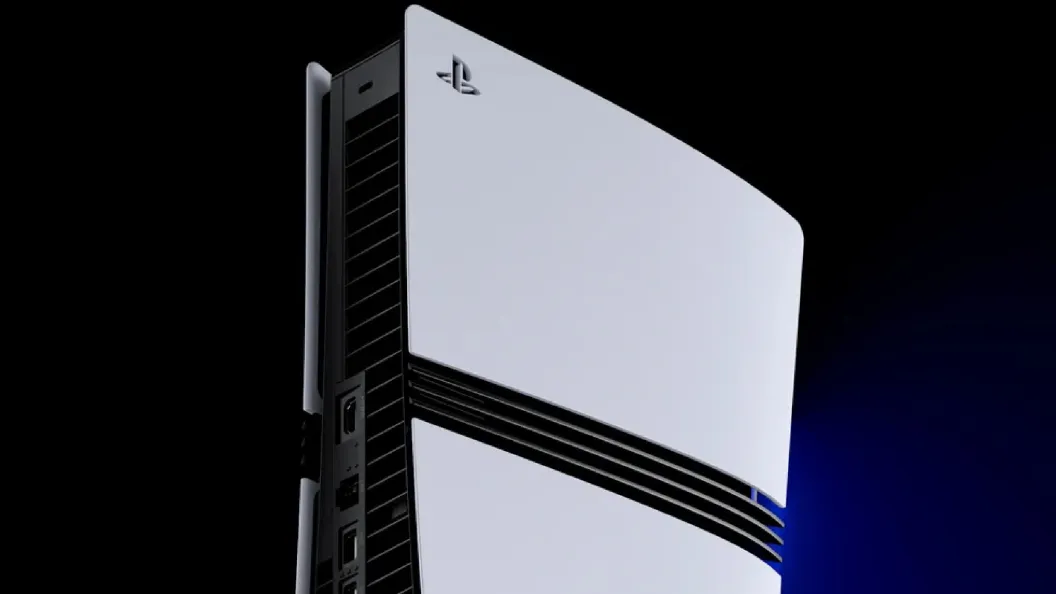
The PlayStation 5 had the impossible job of following up the PlayStation 4 and its incredible library of games, but it managed to do so. Between new titles, inspired sequels, better hardware, the DualSense controller and more, I have spent hours glued to the couch experiencing these worlds. But as the PS5 enters the later part of its life, I find myself looking toward the PS6 with more questions than excitement. The problem is not that Sony has stopped making good games but that its recent decisions leave me feeling it may be losing sight of what made PlayStation special in the first place.
Sony’s live-service ambitions, canceled projects, shifting hardware strategy, rocky game launches, and the end of its partnership with Hideo Kojima have all contributed to that uncertainty. The failure of Concord and the disappointing reception surrounding Marathon have only made matters worse. Even Marvel’s Wolverine, a game that should have been an easy win for PlayStation, has received a mixed response. As someone who has spent years playing PlayStation, since the original console, I cannot help but wonder whether the PS6 will only make these problems worse.
PlayStation’s Live-Service Strategy Has Cost Too Much
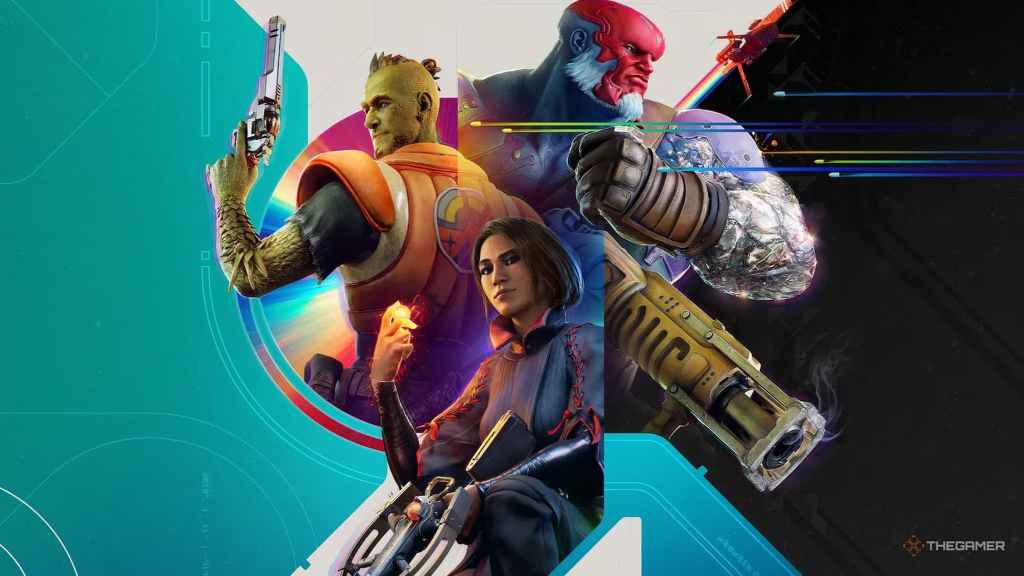
Sony’s decision to invest heavily in live-service games was one of the biggest changes to its PlayStation strategy during the PS5 generation. Sony was chasing a trend and went all in on it thanks to then-president Jim Ryan. There were plans to launch 12 live-service games by fiscal 2025, an ambitious plan. If it worked, it would have brought in a constant source of revenue and kept players on the PlayStation 5 like never before, as well as give an unending experience in some of Sony’s most popular worlds.
The most obvious example is Concord, and I genuinely liked it. It had a great premise and the gameplay was solid, but a live-service game was the complete wrong model for it. It should have been a narrative-focused game based on the initial Guardians of the Galaxy vibe it gave off. But sadly, it was taken offline after approximately two weeks because it failed to attract enough players. Sony subsequently closed the developer, Firewalk, effectively wasting years of development and money.
This isn’t the only example. Sony would later cancel the live-service God of War game and The Last of Us multiplayer game. Bend Studio and Bluepoint Games saw their games as well, with the latter being shut down altogether. These cancellations do not automatically mean the developers wasted their time as the resources can be applied as where, but they demonstrate how Sony’s strategy redirected resources toward games that never reached players.
PlayStation Is Losing the Identity That Made It Special
One of the most frustrating parts of the PS5 generation has been Sony’s changing relationship with physical games. The studio’s plan is stop production of physical games by 2028, forcing players to purchase games digitally. This brings into further question the idea of video game ownership and monopolizes where fans can purchase their games. Physical games often go on better sales, work as collector’s items, and can be resold later.
Digital games are convenient, but convenience is not the same thing as ownership. When a company moves toward digital distribution, it gains more control over how games are sold and accessed. For players who want to preserve their libraries, lend games to friends, or resell them, the shift raises legitimate concerns about the future of PlayStation hardware. Discs are tangible proof of ownership, taking this away from players leaves this concept uncertain.
The same uncertainty applies to Sony’s relationship with developers. Hideo Kojima’s Physint was announced as a PlayStation project, but Sony confirmed in September 2026 that it was stepping away from the collaboration. Thankfully, Kojima found a partner in Xbox to preserve Physint, but this shows Sony’s attitude. If it is willing to cut ties with one of the biggest names in the gaming industry, what does that mean for other studios?
The PS6 Needs More Than Better Hardware
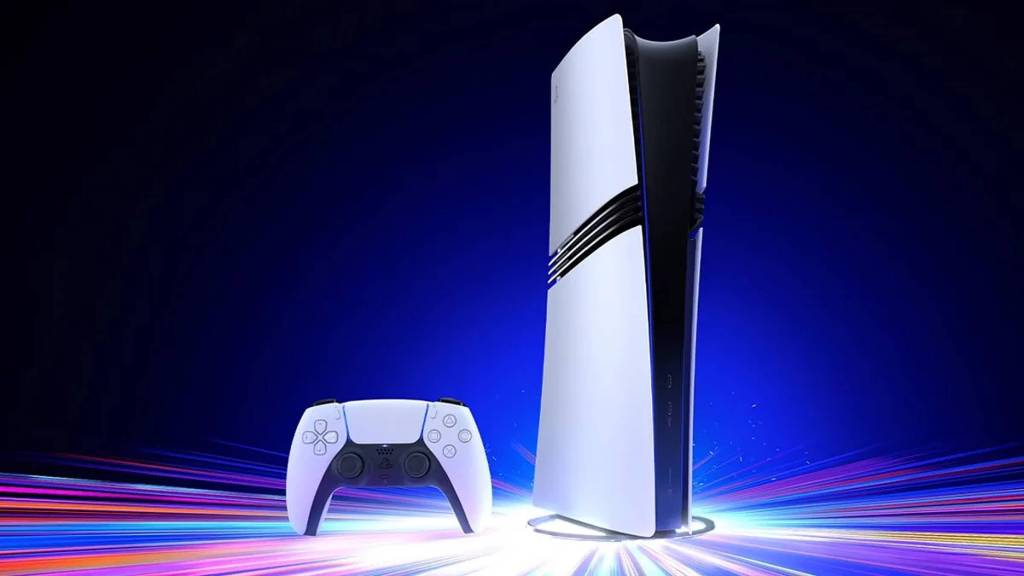
The PlayStation 5 is still home to some of the great games this generation. While we’ve seen recent middling games, its history features Ghost of Yotei, Death Stranding 2: On The Beach, God of War: Ragnarok, Horizon: Forbidden West, and more. These games demonstrate that PlayStation still has major releases capable of attracting players. But these games are mostly old and cannot carry the weight of the console going forward forever.
Marathon is an example of why I remain cautious. It launched after delays and controversies and is bleeding its player base right now. Marvel’s Wolverine has been heavily criticized both by critics and players, showing a major drop off from Insomniac’s Spider-Man games. It is a sign that recognizable franchises and expensive production values cannot guarantee a great game, leaving the future of Sony’s studios uncertain.
The PS6 could still become an excellent console. Better hardware, improved loading times, stronger graphics, and a new generation of first-party games would all be welcome. But Sony needs to show that it understands why people buy PlayStation consoles. Players want great games, a strong library, and confidence that their purchases will remain accessible. The company has time to address these concerns, but the PS6 cannot simply rely on the PlayStation name to carry it forward.