The Chronicles Of Narnia Meets Stranger Things In HBO's 3-Part Fantasy Series
Plucky children standing against overwhelming supernatural forces has been one of fantasy's defining storytelling formulas for generations. From classic novels to blockbuster movies and prestige television, audiences have always embraced stories in which ordinary young heroes confront impossible odds. In the streaming era, no series embodies that tradition more successfully than Netflix's Stranger Things. By blending supernatural horror with coming-of-age drama, the Duffer Brothers turned a familiar fantasy concept into a zeitgeist-grabbing mega-hit.
However, while Stranger Things may be the most recent success story, it is far from the only modern TV show or movie built around children discovering fantastical worlds. Over the last few decades, few franchises have been more synonymous with the idea than the Chronicles of Narnia movies. This is no surprise either, as C.S. Lewis' original books arguably established the blueprint for ordinary kids becoming central to extraordinary fantasy conflicts that Stranger Things followed decades later.
Still, despite sharing a narrative foundation, Stranger Things and The Chronicles of Narnia ultimately pursue very different goals. One embraces supernatural sci-fi horror, while the other leans into mythic fantasy. That contrast is precisely what makes HBO's His Dark Materials such an essential show for fans of either franchise. Adapting Philip Pullman's acclaimed book trilogy across three seasons, the 2019-022 series combines Narnia's sweeping fantasy with the darker tone that made Stranger Things such an enduring hit.
His Dark Materials Puts A Dark Spin On Narnia’s Central Concepts
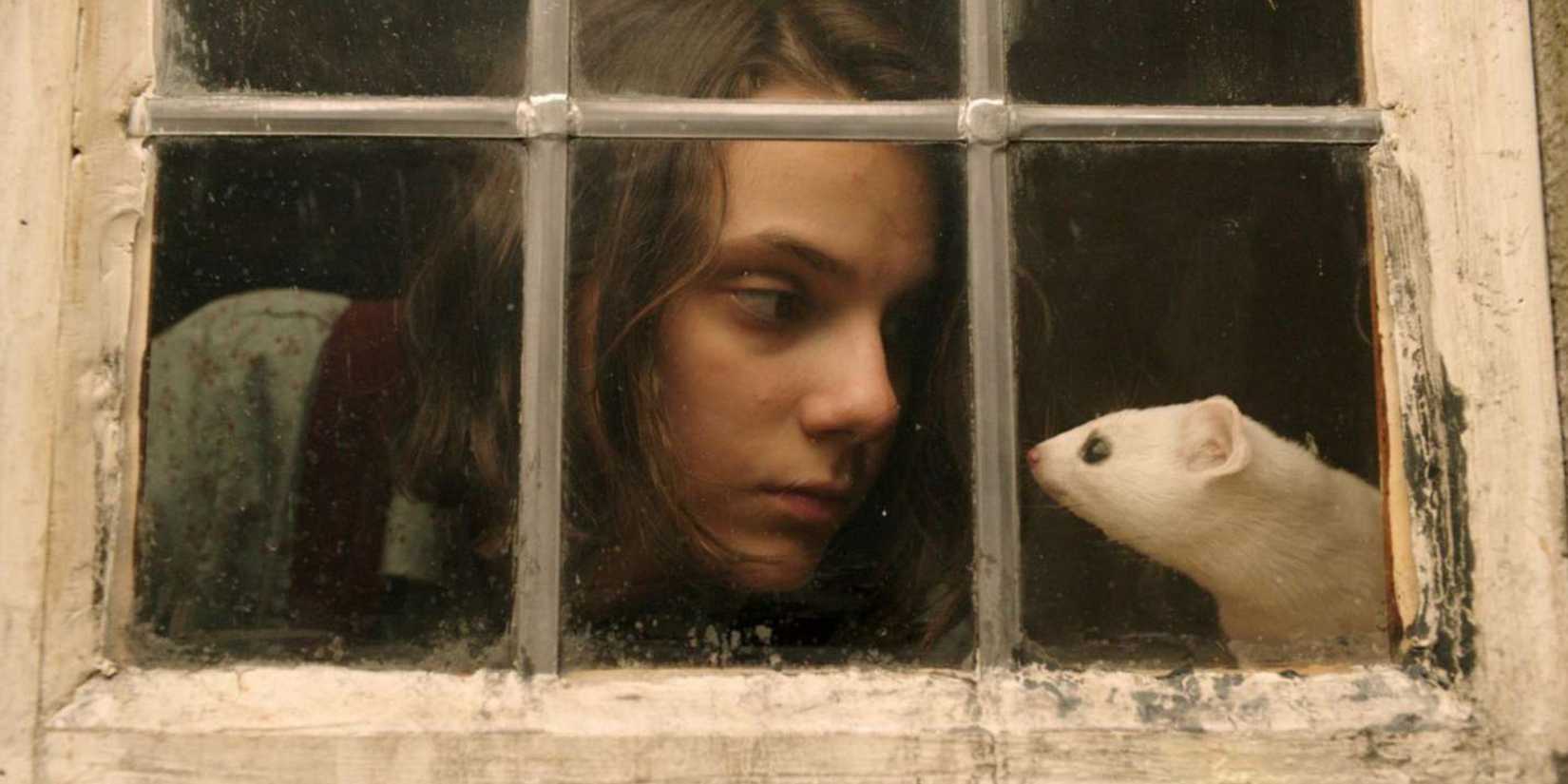
Just like The Chronicles of Narnia movies and books, HBO’s His Dark Materials follows a child protagonist whose ordinary life expands into an epic conflict stretching across multiple worlds. In His Dark Materials, Lyra Belacqua (Dafne Keen) discovers that countless parallel universes exist, creating a sprawling multiverse reminiscent of Narnia's interconnected realms. Rather than presenting these worlds as wellsprings of wonder and discovery, His Dark Materials harnesses them as a source of existential danger, just like Stranger Things’ Upside Down.
Animal companions also occupy central roles in both The Chronicles of Narnia and His Dark Materials. Once again, though, the spin on the concept in Dark Materials opens the door for exploration of darker themes such as personhood and loss of innocence. Intelligent talking animals are simply another fantasy race in The Chronicles of Narnia, but in His Dark Materials the idea is given shape in the form of dæmons: literal manifestations of every person's soul that appear as talking animals.
The concept of talking animals is a staple of fantasy and has been for centuries, but the way His Dark Materials uses them, both in the HBO show and in Philip Pullman’s original books, carries a unique emotional and psychological weight. A person's dæmon reflects their identity, making every relationship deeply personal instead of simply magical. What’s more, a dæmon choosing a single form and losing the ability to shapeshift is one of the key markers of entering adulthood in Lyra’s world. There's also, of course, the armored bears of Svalbard, who are far more brutal than any of Narnia's talking critters.
Still, perhaps the strongest connection between The Chronicles of Narnia and His Dark Materials lies within the idea of prophecy. The Pevensie children are destined to reshape Narnia's future, while Lyra and Will Parry (Amir Wilson) become pivotal figures in a prophecy spanning countless universes. Both stories ask children to shoulder responsibilities far beyond their years, but His Dark Materials constantly questions whether destiny is liberating or oppressive. That moral ambiguity gives familiar fantasy ideas a far more mature and unsettling perspective than Narnia's traditional heroic journey.
Scientific Experimentation On Kids Is Central To His Dark Materials Just Like Stranger Things
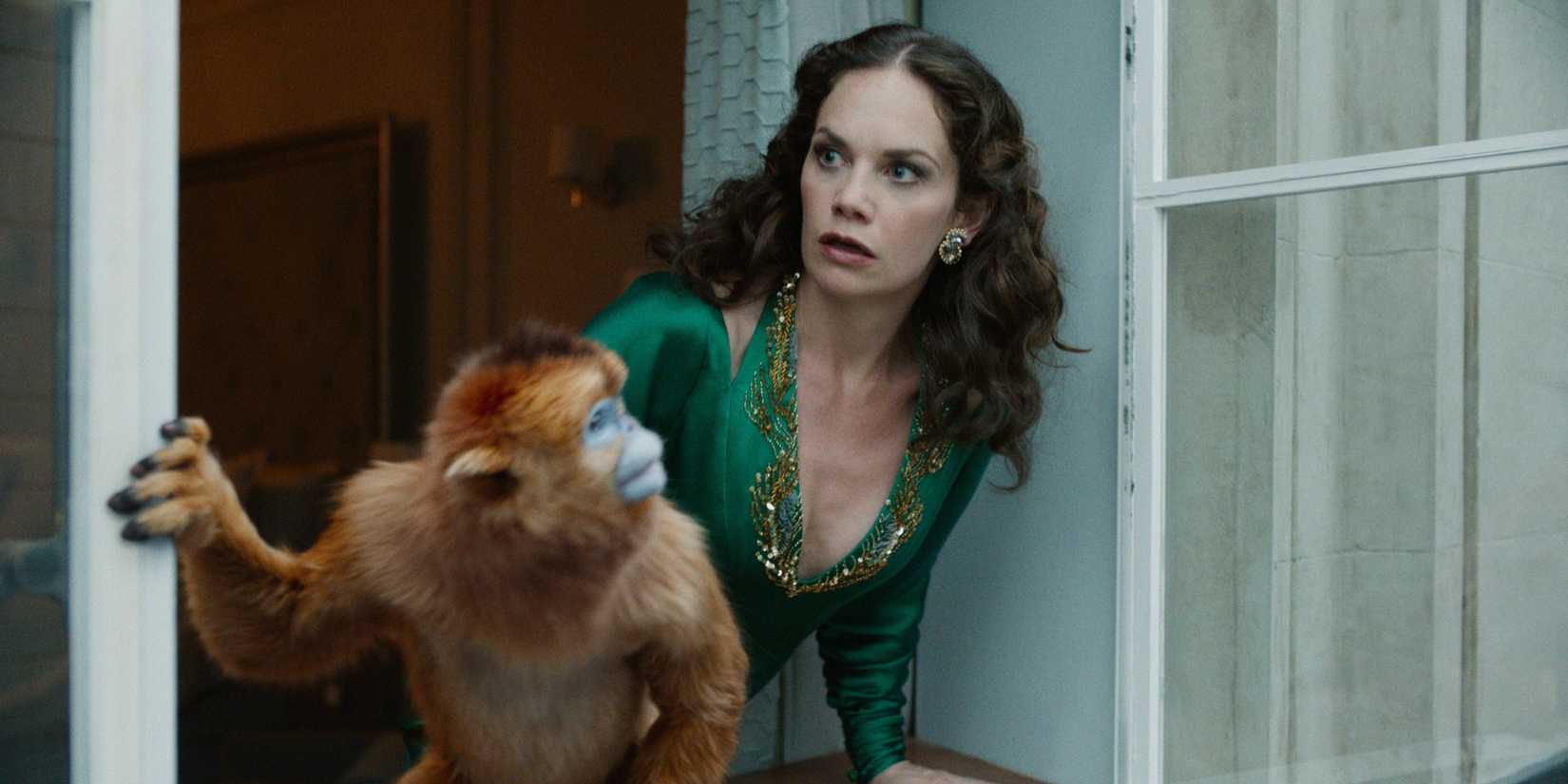
Giving Narnia's familiar fantasy concepts a darker twist is only one reason His Dark Materials will appeal to Stranger Things fans, as the two shows have some incredibly acute additional similarities. Specifically, Stranger Things and His Dark Materials both build narratives around adults exploiting children through secret scientific programs. Rather than simply stumbling into supernatural mysteries, the young protagonists of each become targets of powerful institutions convinced that children hold the key to unlocking forces beyond human understanding.
In Stranger Things, Eleven (Millie Bobby Brown) is subjected to years of experimentation inside Hawkins National Laboratory, where scientists weaponize her extraordinary abilities. His Dark Materials explores similar territory through the General Oblation Board, better known as the Gobblers. Under the authority of Mrs. Coulter (Ruth Wilson), children are abducted and transported to the remote Arctic of Bolvangar, where horrifying experiments separate them from their dæmons in pursuit of scientific and theological knowledge.
Like Hawkins Lab in Stranger Things, Bolvangar in His Dark Materials hides atrocities behind institutional authority, while children become unwilling test subjects. Both stories ultimately transform scientific ambition into one of their greatest sources of horror, making His Dark Materials an essential fantasy TV show for anyone drawn to Stranger Things' blend of supernatural mystery and conspiracy.