Publishers Are Bound To Secrecy Over How Game Discs Work
Making Of PS5 And Xbox Discs Is An "Industry Secret", Nobody Was Allowed To Speak On Record
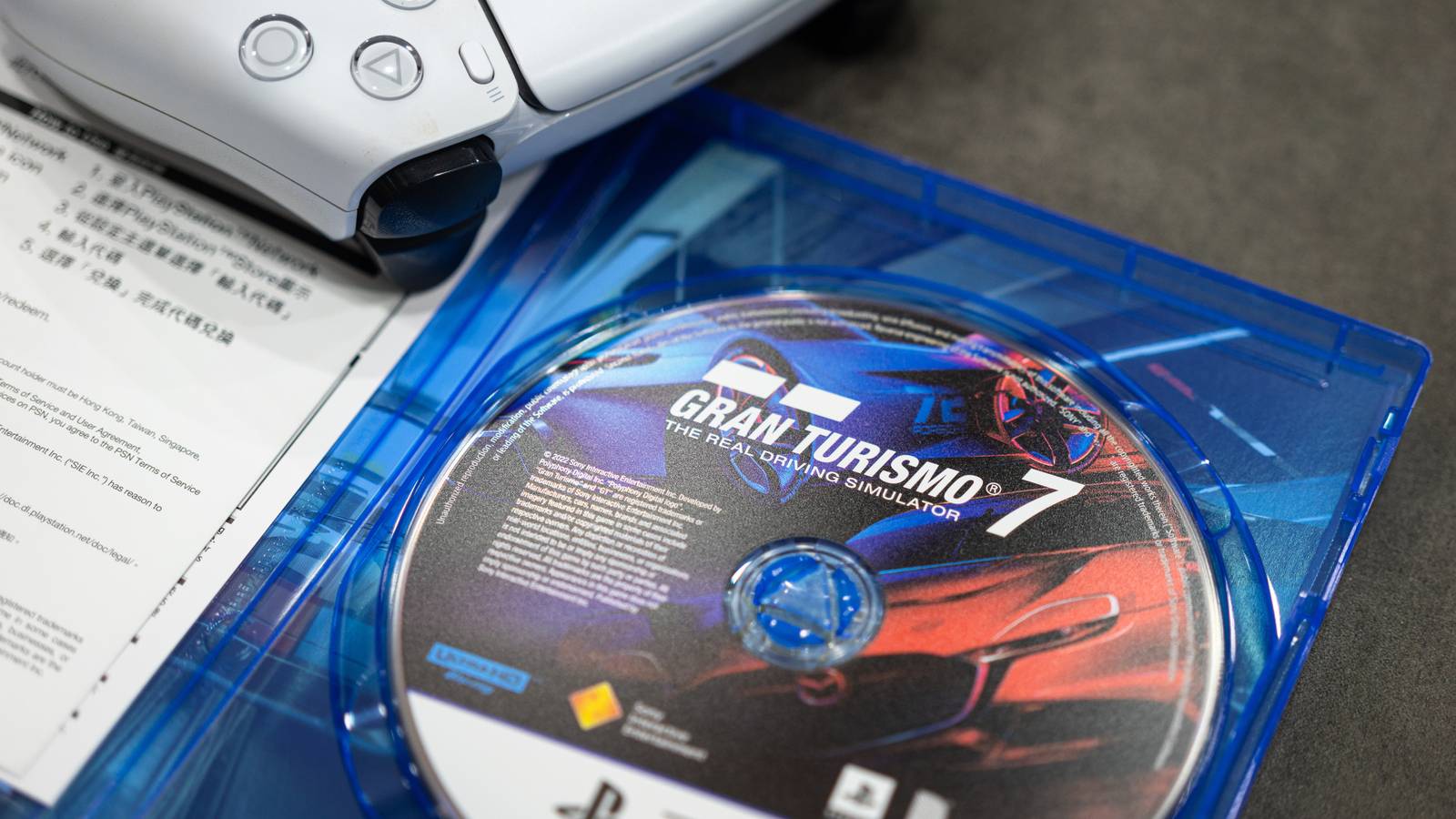
You’d think that sharing information about how PS5 and Xbox Series game discs are made would be simple, but no one was allowed to speak on record about it in a new report.
As you’re no doubt aware based on how many of PlayStation’s posts are still met with negative comments, the golden age of game discs and proper physical releases is quickly coming to an end. Sony announced last month that it was ceasing disc production in early 2028, and has shown no signs of reversing that decision.
While the all-digital future has seemed like an inevitability for quite some time, it’s still come as quite a shock to most people, and led to a lot of renewed interest in how they’re actually made in the first place. A new report tried to shed light on exactly that, but found that it’s not as easy to figure out as you might think.
Gaming Sources Weren’t Authorised To Talk About Game Disc Creation
PlayStation And Xbox Also Refused To Weigh In
Yesterday, Game File’s Stephen Totilo shared a report that goes into the creation of PS5 and Xbox game discs, since there’s been so much renewed interest in how that’s actually done. Since game disc production has been going on for so long now, you’d think that it would be a pretty open secret, but that wasn’t the case.
As Totilo notes, no one he spoke to for the report was “authorised to talk on the record”, meaning that disc creation is apparently quite a guarded secret. To add fuel to the fire, both Sony and Microsoft refused to “weigh in” on what Game File reported on the matter, suggesting it’s not keen on the information getting out.
Even still, Game File’s sources were able to share the whole process, which starts with a publisher letting Sony or Microsoft know they want a disc version, signing a contract assuming liability for the inventory, passing certification, picking art and the disc size, and much more that makes it clear it's harder work than some realise.
One interesting highlight is that the base cost comes out to “around 15 percent of the manufacturer’s suggested retail price”, so a bit over $10 for every $70 game’s disc, which increases if the game is larger or on multiple discs (and would explain why many games need sixeable updates). Overall, it’s depressingly clear that there’s a much lower profit margin than selling games completely digitally.
Even with so much interesting information, perhaps the key takeaway is how secretive the whole process is, despite so many games going through it at any given time. Whether it’s just Sony and Microsoft not wanting to share business information or not, it’s interesting to see something that’s about to be ceased still being held closely.