Dark Souls is 15-Years-Old, And Modern Games Still Can’t Escape Its Influence
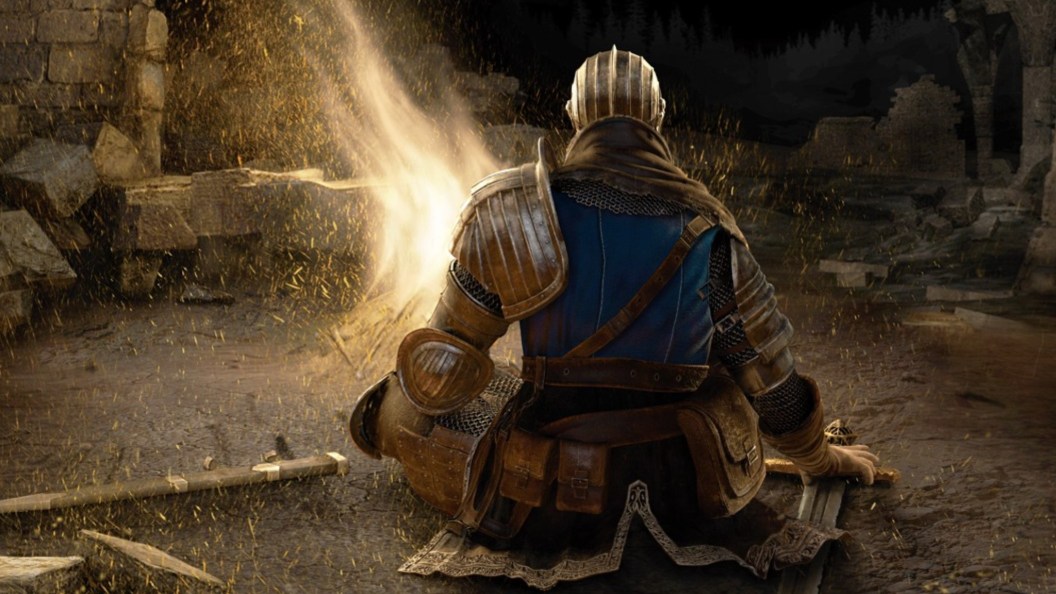
Do you remember the moment that you encountered your first fog wall in a Souls game? You walk through, unsure what type of boss-level monstrosity to expect on the other side only to be staring at the blaring red lettering “YOU DIED” emblazoned across your screen mere moments later. You try again, but this time you’re slightly more prepared. You remember the attack that utterly destroyed you, and you dodge or parry it successfully with a twinge of excitement. Death might reach you a few more times. But soon, a boss that once seemed entirely impossible is now dead at your hands. It’s the very dopamine high Souls games have been offering fans since the release of Demon’s Souls in 2009 and its spiritual successor and breakout hit Dark Souls, on October 4, 2011. Combat in a Souls title is highly kinetic, and players quickly understand the stakes when souls, the lifeblood of player progression, are lost with each death.
Demon’s Souls kickstarted the ultra-difficult action-RPG subgenre that fans have come to know as the Souls genre or Soulslikes. But Dark Souls took the formula that Demon’s Souls started and made those concepts more broadly influential. Dark Souls refined the mechanics of its predecessor while introducing new levels of exploration that would ultimately inspire many future games both inside and outside of the Souls subgenre.
The Interconnected World Became a Defining Feature
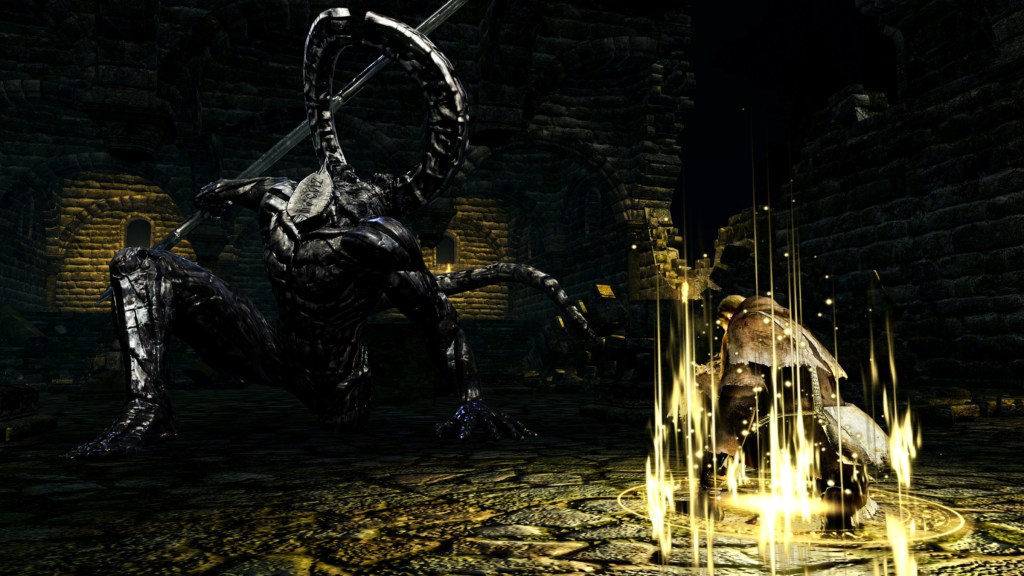
Demon’s Souls presented players with dark, persistently melancholic worlds that were accessible through the Nexus. These worlds were separate, but laid the groundwork for the future of the Souls genre. Dark Souls placed players in a fully realized, interconnected environment. Progression began through the kingdom of Lordran. Players would progress, combat tough enemies and bosses, and then continue within the same world. Elevators or doorways would then unlock, connecting players with previously explored areas, creating a quicker bridge between different regions. Shortcuts, new pathways, and vertical connections through elevators or lifts would fold back into familiar territory.
This design philosophy would become unmistakably synonymous with the future of Souls titles while also inspiring other games outside the subgenre. Unguided exploration felt like solving a puzzle. By defeating bosses and opening new areas, you can see how the world fits together. FromSoftware, the famed developer of Dark Souls and creator of modern Souls games, would continue these vast interconnected worlds in future entries including Bloodborne, Sekiro: Shadows Die Twice, and Elden Ring. Non-Souls games like God of War (2018) and Star Wars Jedi: Fallen Order would later take inspiration from Dark Souls and employ this philosophy when structuring their worlds.
Dark Souls Solidified the Souls Subgenre
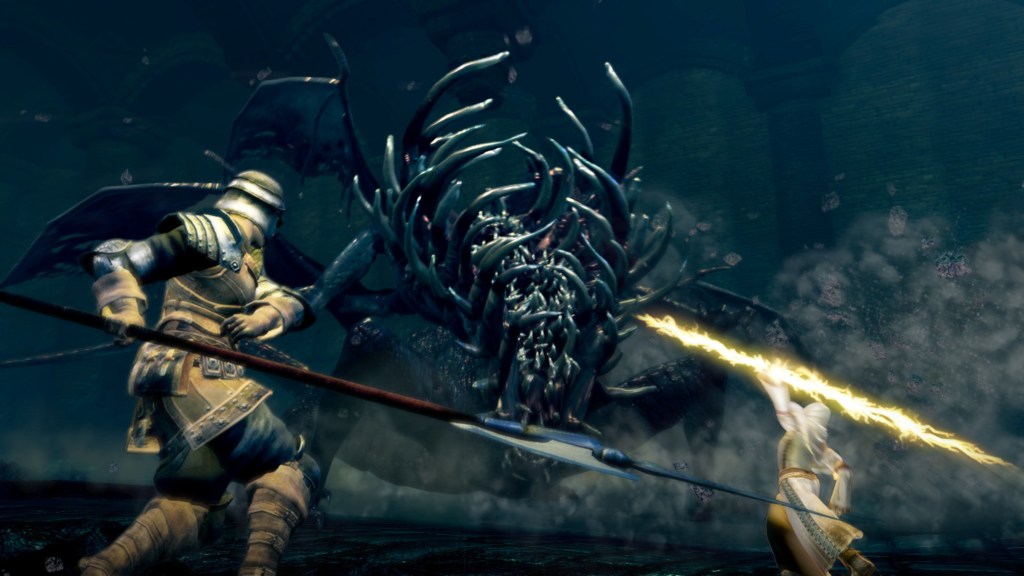
Sure, we can trace the beginning of the Souls niche genre back to Demon’s Souls retrospectively. But it was Dark Souls that actually cemented the trappings of everything we know to be true about the difficult action RPG. Imagine hanging a poster with a single nail at the top center of the print. You can still swing the poster a full 360 degrees, altering it in any direction you wish. But when you introduce a second nail at the bottom center of the print, it’s immovable and has become something firmly planted. Metaphorically speaking, that second nail is Dark Souls. Without Dark Souls, Demon’s Souls would just be a one-off product of FromSoftware. Dark Souls showed the world that a new mode of play was born, and it wouldn’t stop.
Everyone views Dark Souls and its descendants in the genre as the pinnacle of difficulty. The genre birthed this entire “prepare to die” culture that has gripped players and streamers. But it’s also more than simply being difficult. The games in the genre are very deliberate when it comes to combat, customization, character stat management, and ultimately learning through failure. They’re not “hard for the sake of being hard.” That’s why there’s such an intense thrill players experience when beating a difficult boss. It’s a challenge that the player takes upon themselves to learn through failure, much like life, and ultimately complete using honed precision. Souls games initially feel overwhelming for one reason: there’s really no guidance. Souls games don’t tell you what to do. As you start your journey, you learn the ropes through experience and eventually figure out what your key objectives are instinctively. Minimal guidance is a model that even Nintendo’s The Legend of Zelda: Breath of the Wild would adopt.
Dark Souls Proved That Opaque Storytelling Could Be Just as Engaging as the Alternative
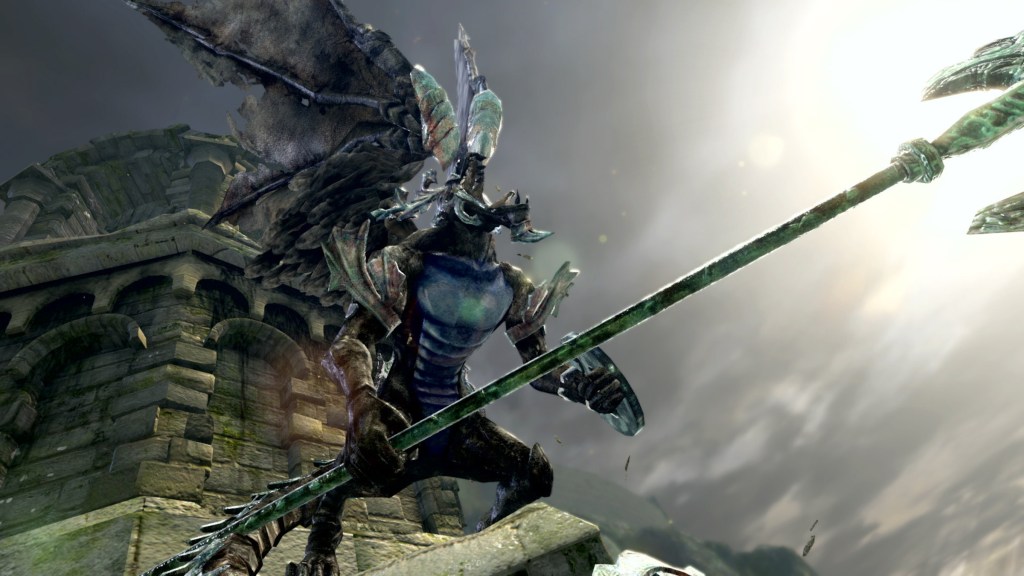
Narratively speaking, some players view the famous FromSoftware Souls games as razor-thin. But the hardened Souls fans know that this really isn’t the case. These games don’t constantly beat players over the head with narrative beats or key plot points. Instead, an understanding of the world and the character’s ultimately goals are subtly uncovered through careful exploration of the environment, cryptic messages left behind, and poignant lines of dialogue from the occasional NPC. It’s feasible to play an entire FromSoftware game, enjoy the grueling combat, and never fully understand, or rightly care about, the story at the core of the experience. But fans have often dedicated themselves to investigating the mysteries of the worlds. FromSoftware trusted players to piece together the worldbuilding elements instead of needing to consume a traditional narrative.
Demon’s Souls absolutely began this tradition. But Dark Souls perfected it by crafting the interconnected world with lore that connected to all facets and layers of the kingdom. Lordran was a mystical place that players dissected. Future games would follow this inspiration, including the acclaimed 2022 isometric adventure title, Tunic. In fact, the developer of Tunic openly acknowledged the Souls influence.
At the end of the day, Dark Souls is an incredibly important title in gaming history. With its 15th anniversary landing this Fall, it’s a good time to reflect on the amazing influence the series has had on the gaming industry at large. Demon’s Souls may have been the origin of the Souls genre, but Dark Souls refined and cemented the subgenre as a mainstay in modern gaming.