AI can’t replace happy accidents
The creative industry has always absorbed new tools. There have been many shifts throughout my career – from ink pens to Macs, hand-drawn type to digital foundries, marker visuals to 3D renders – and with each shift, the work continued to evolve.
AI is part of that same evolution. I use it every day to streamline repetitive tasks that slow down the creative process: collating competitor positioning, generating colour palettes, and building out mock-up imagery. When a client needs to see an idea brought to life quickly, these tools mean I can demonstrate a concept without spending half a day searching stock libraries or filling out an image background manually in Photoshop.
But there’s a difference between using AI to facilitate the creative process and using it to skip it entirely.
Skipping the satisfaction
I think of it like a crossword. You could get AI to fill in every answer, but why would you? While the grid would be complete, the satisfaction comes from the challenge of puzzling through a difficult clue and feeling something click. That sense of achievement only comes from putting in the effort.
For a designer, that feeling isn’t a nice-to-have; it’s the essential muscle that produces creative, original work. And like any muscle, it atrophies when you stop using it. If we outsource the problem-solving part to machines, we might just lose the ability to think creatively at all.
Finding the connections
We might also miss out on the opportunity for happy accidents. These are the unexpected creative leaps that emerge from human thinking going somewhere it wasn’t supposed to go. I’ve seen this happen throughout my career, but one example from a recent project captures it particularly well.
We were working on a brand identity for a compliance consultancy, and during a naming exercise, a member of the team wrote the brand name with a double ‘i’. It was a straightforward spelling mistake that was easy to dismiss, but when we looked at it, those two letters standing side by side looked like two people.
From that single accident, the entire brand concept emerged: ‘By your side.’ It became an antidote to the box-ticking reputation that compliance services can’t seem to shake, built on a human image that only existed because of a typo. No prompt would have brought us there, because you’d need to know what you were looking for before you found it – and the whole point is that nobody was looking for it at all.
These kinds of moments – the tenuous and weird connections that turn into something distinctive – aren’t anomalies in the creative process. They’re its foundation and the part of it that produces work worth remembering.
Capitalising on collaboration
AI can never replicate the energy of a room either. When a team is physically together, kicking ideas around and building on each other’s half-formed thoughts in real time, magic happens. We had a session recently where five creatives spent an afternoon on a single brief, and the idea that eventually emerged wasn’t in any individual’s head when they first sat down. It came from the collaboration between them – one person’s throwaway comment sparking something in someone else’s thinking, which then had the domino effect of triggering another route entirely.
Where AI genuinely helps is in the work that follows the concept: expanding on the creative ideas and spinning them up in new ways. But the moment of creative surprise – the layered meanings that delight once you find them – is worth protecting, because it’s the best part of the job.
Some of the most celebrated brand work in history was built on exactly this kind of thinking:
- The arrow hidden between the E and X in the FedEx logo
- The bear hidden in the Toblerone mountain
- The smile pointing from A to Z in the Amazon wordmark
The industry’s obsession with efficiency risks eroding the very skill that makes us valuable and the work so fulfilling. Long live the happy accident.
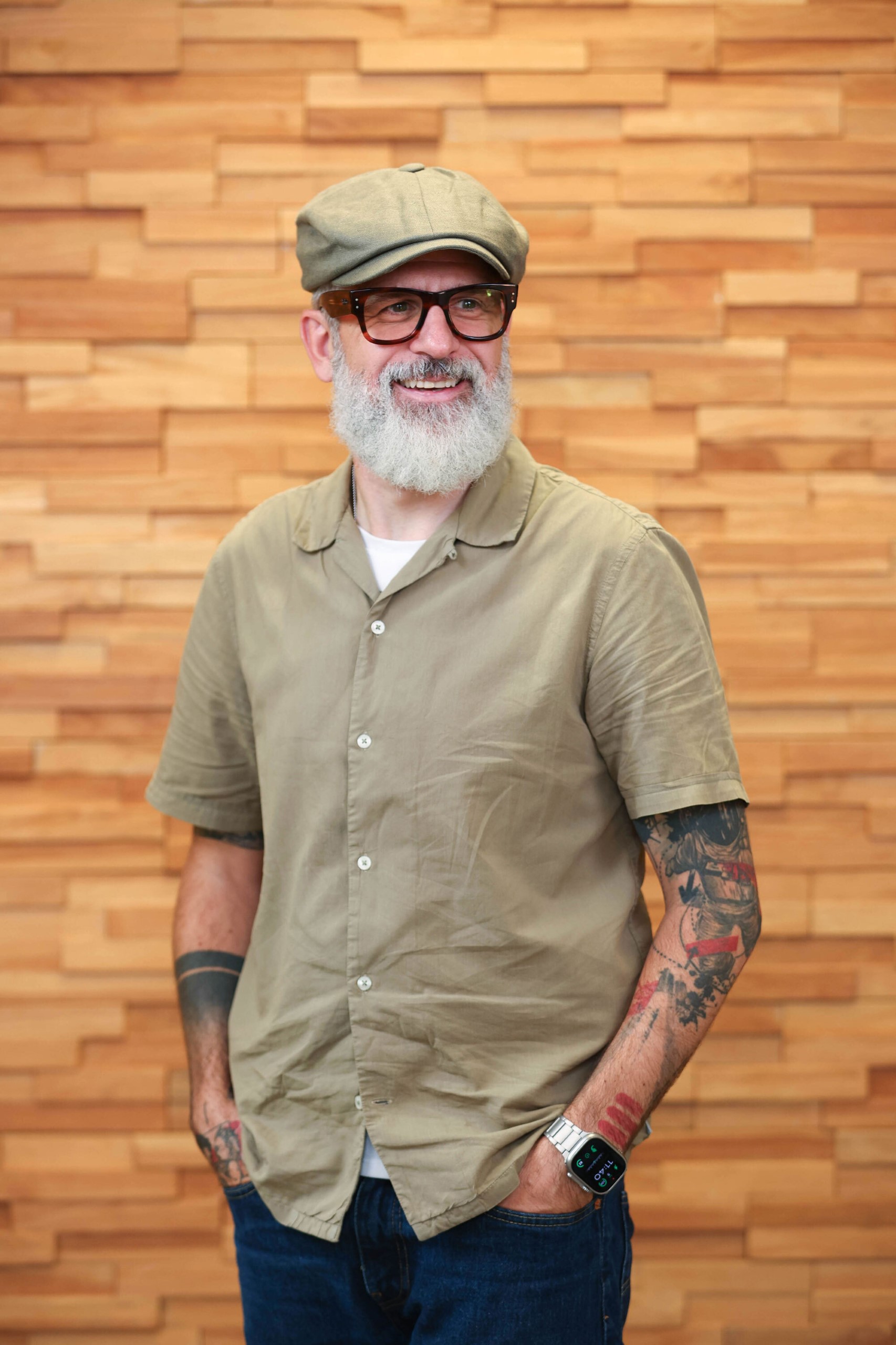
Doug Martin is a designer and creative director at The Bigger Boat.