Quest is a highly designed sci-fi and fantasy magazine built for web fiction
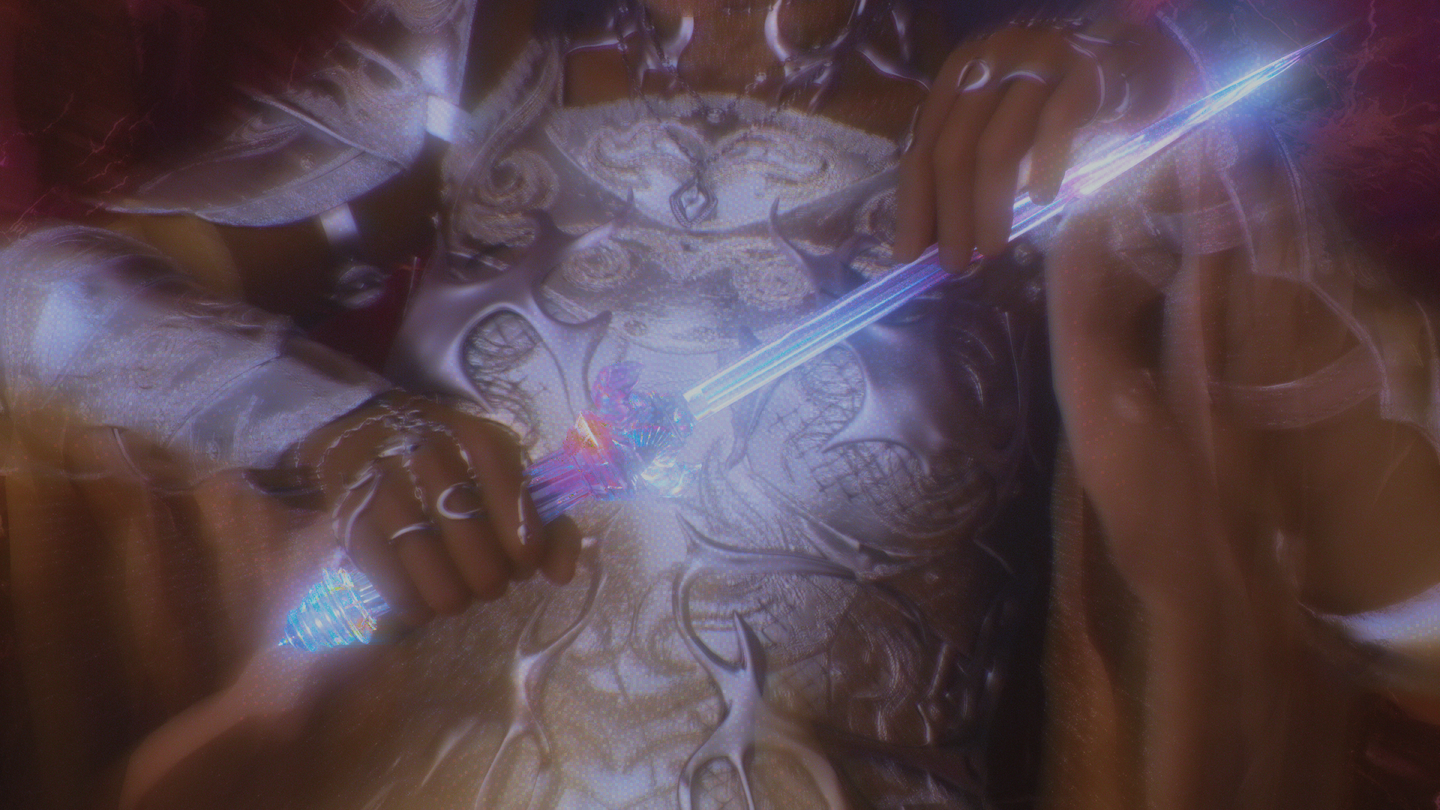
One of the best things about alternative literature is that it really originated online, and with it, ushered in a new world of blog writing, GeoCities prose and intertextual genre writing that would’ve previously been rare finds in niche magazines. Those magazines are now largely online, just take a look at Tractor Beam, a “soilpunk” magazine, Elastic, made for art and literature surrounding the new psychedelic. And today, we are looking at Quest, for boundary-pushing sci-fi and fantasy writing – created by founders Ross Gendels, associate creative director at Base Design in New York and Zane Miller, a freelance creative director and writer. To say Quest has a strong visual idea for itself would be an understatement; this isn’t just made by people passionate about reading genre fiction, but about accommodating it with a platform that feels like an extension of its prose.
Issue 2 launched in August 2026 with nine fiction stories, an essay, a dispatch, 11 artists and 11 typefaces used across the site. Quest received 1,154 submissions – double its first issue – and is funded entirely by readers and subscribers who believe writers and artists should be paid properly for their work. It’s also a space for readers to explore and for contributors to experiment. Using sci-fi and fantasy as a filter to examine society, culture and politics, every piece of writing is paired with commissioned artwork and set in its own typeface, both chosen to extend the world of that specific text. Oh, and it’s totally free (and anyone can subscribe on Patreon or join the Discord without a paid membership).
“Science fiction and fantasy give us permission to question the world as it is, or reject and reshape it entirely, which opens up new and often more robust critiques of real world social structures, politics and the nature of being human. Speculative worlds don’t really have an ‘Overton window’ of acceptable thought,” says Zane. In Issue 2, the magazine addresses this directly: in Diana Weisman’s essay Weapon of Choice, the writer examines how women in fashion, art, music and more seem to be reaching for swords. Emily Ver Steeg’s Native Advertising is one step away from the present, imagining a world where we get paid to pitch products to our friends in every conversation. Other stories, like Randy Stearns’ Last Wash and Jonathan Louis Duckworth’s A Canvas Unending, use otherworldly entities or alien cultures in a way that lets us think about what it is like and how it feels to be human.
The site was built with Ji Park, Tiger Dingsun and Teo Tsivranidis with Ross leading the design and creative direction. The creative team use 11 pre-made typefaces, one per piece, with their curation a key part of the editorial process. Text and artwork sit at the same level, and each story gets its own type, colour and page rather than a template. “The frame of the browser is treated like a game hud [a visual overlay on the screen that shows important information during gameplay] and the contents like a paperback anthology. It’s clean because the stories are loud and we don’t want the frame to compete,” says Ross, who is inspired by vintage sci-fi, fantasy illustrated magazines, video games and how those combine with contemporary design.
“Direction is deliberately light since we are reaching out to an artist for their unique POV. We share the author’s notes, if they have any thoughts, but for the most part the artist is left alone,” says Zane. “The best results often come when the artist and the author talk to each other directly.” The site allows readers to level up and chat to each other, a homage to MMOs and gaming. Visit for the first time and you’re given a random username, a bit like the old days of internet forums or dropping in on random game lobbies, then there’s a level counter and set of quests to complete. Ross and Zane tell It’s Nice That that they didn’t expect the chat function to get as much use as it does! “Being online lets us work with a much broader range of artists, run longer word counts and use video, sound, or whatever else a story asks for,” says Zane. “But we don’t see Quest as living only online. In fact, our next big milestone is to publish print editions of Issues 1 and 2, and those are in progress right now.” Needless to say, the quest of Quest, as Ross says: “is to quest.”