Prehistoric cave paintings to Star Wars and Marvel: Inside the colossal catalogue of iconic narrative art
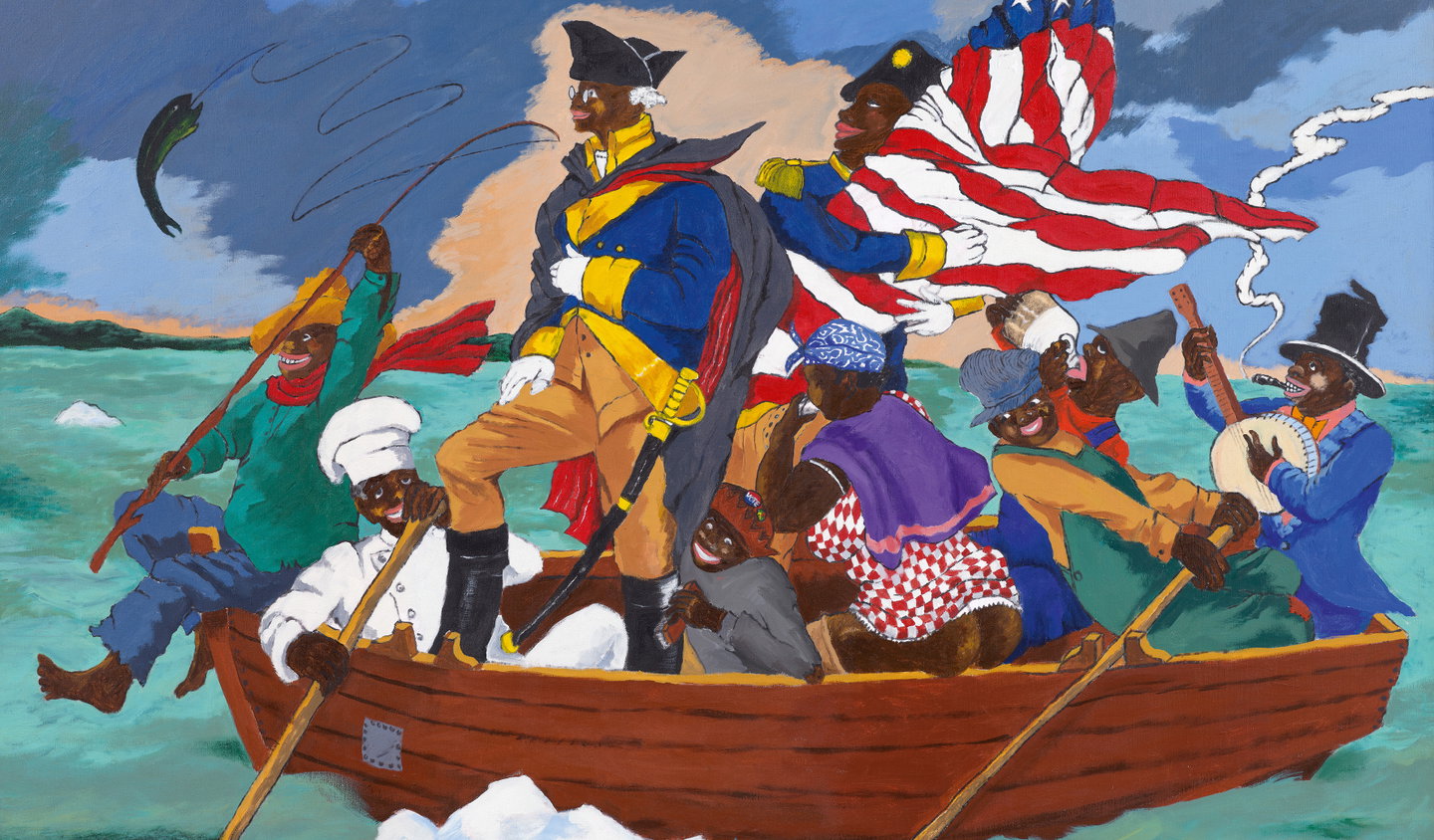
In its emphasis on popular illustration, the Lucas Museum’s holdings represent only the most recent century of narrative art-making. The artists who illustrated magazines, comic books and children’s literature continued a much longer history of myth-making through visual stories. Arguably the most eloquent advocate for modern illustration as a mode of visual storytelling is Norman Rockwell, who wrote, “My life’s work — and my pleasure — is to tell stories to other people through pictures.” By showcasing the work of Rockwell and other illustrators, the Lucas Museum highlights how popular artists have reshaped enduring narratives for modern audiences.
The Lucas Museum is defined by an interest in stories that transcend time and place: family, childhood, love and romance, sports and play, civic life and democracy, history, and the imaginative worlds of science fiction and fantasy. While mass-reproduced images are modern innovations, the stories they tell draw on timeless myths. Comic book superheroes such as Captain America embody this duality: at once a bracingly modern vision informed by 20th century realities such as biomedical experimentation and global technological war, they also intentionally and sometimes explicitly evoke the all-powerful gods of ancient cultures. Such images evoke immediate, intuitive associations with emotional resonance — they are recognisable symbols of power, protection and moral clarity.
In large part because of its ubiquity, popular culture has played a profound role in shaping a shared vision of the world. Mass-reproduced images connect disparate communities through a common visual language, helping to influence, inform, and consolidate public perception. They have proven to be powerful vehicles for transmitting myths. The image of the ideal American family of the postwar decades was just such a myth, widely circulated in magazines, television, and film as an icon of the American way of life. Its enduring appeal reflects its deeper resonance, tapping into the desire for family, prosperity, and safety. Similarly, the image of the caring mother — a powerful icon in nearly every human society — persists because it speaks to a fundamental, even primordial, human need for care and connection.