Tom Hegen’s ‘The Mineral Age’ Documents the Indelible Effects of the Green Transition
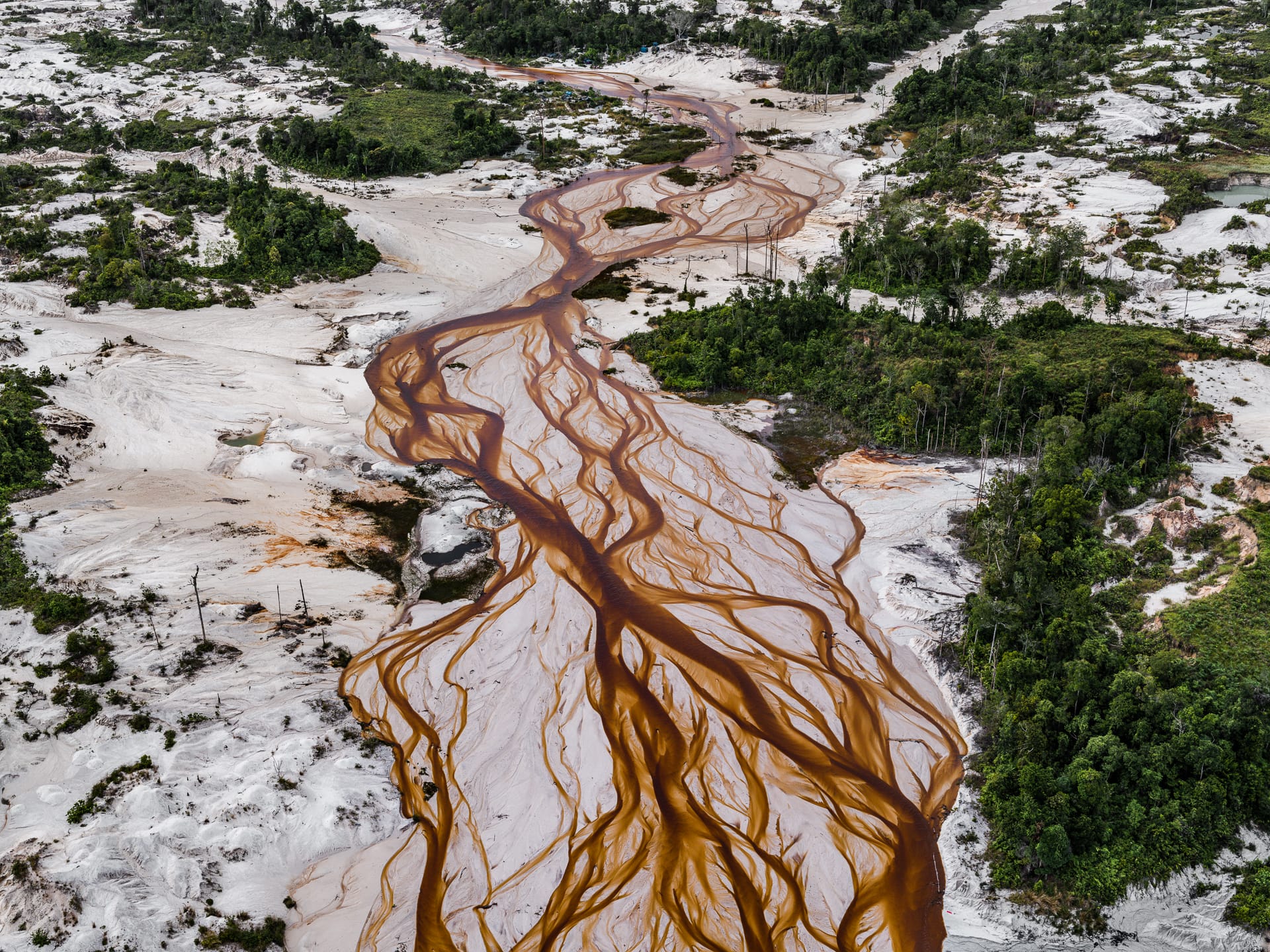
In its current form, the global transition away from fossil fuels will depend on the earth’s rare minerals. According to ClimateWorks, we’ll collectively need to mine 6.5 billion tons of cobalt, copper, lithium, nickel, and other materials before 2050 in order to keep up with energy demands. Most of these resources are found in regions already facing the greatest impacts of the climate crisis, from Chile’s Atacama Desert to Indonesia’s nickel reserves to the cobalt deposits of the Democratic Republic of Congo.
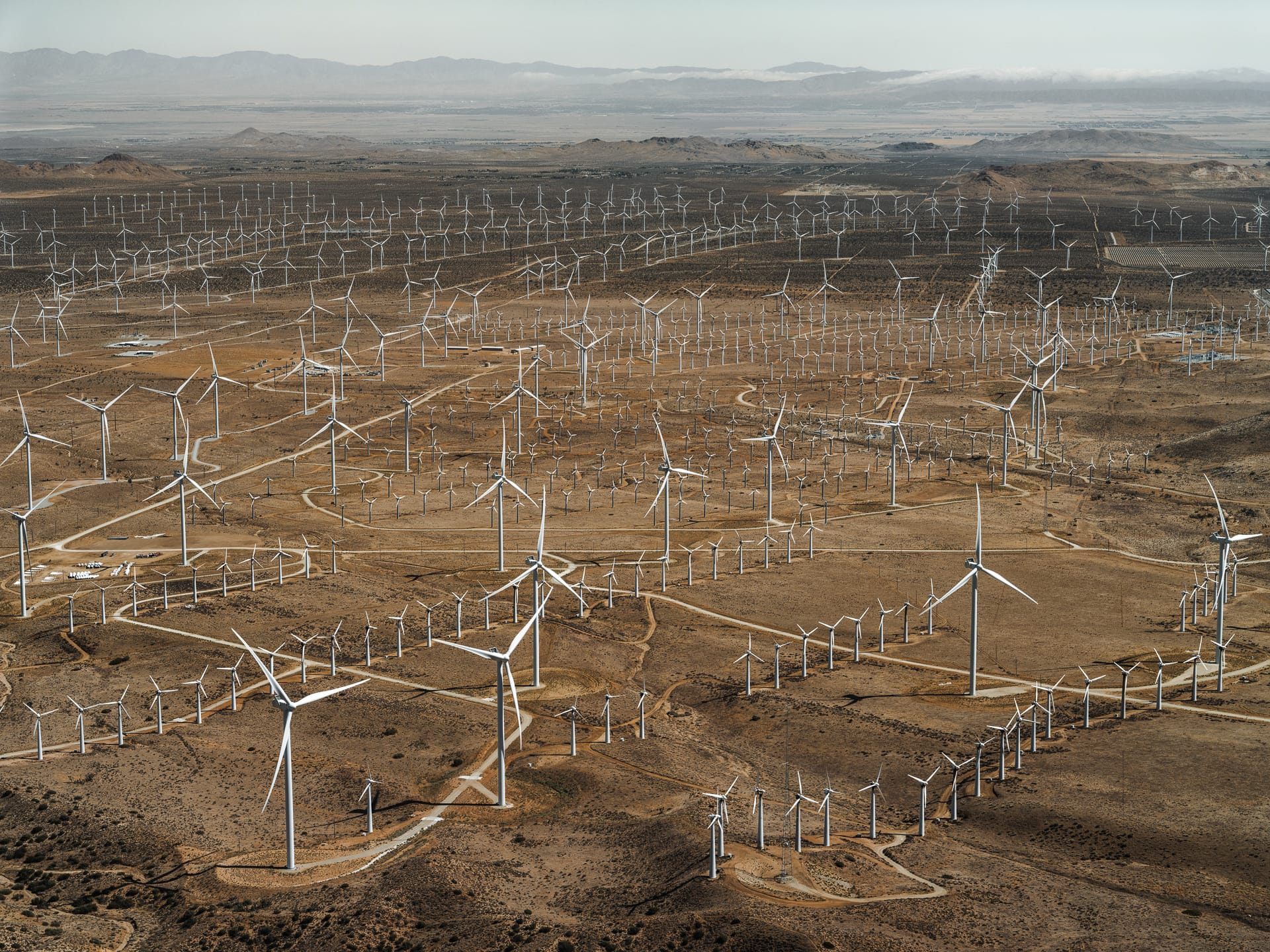
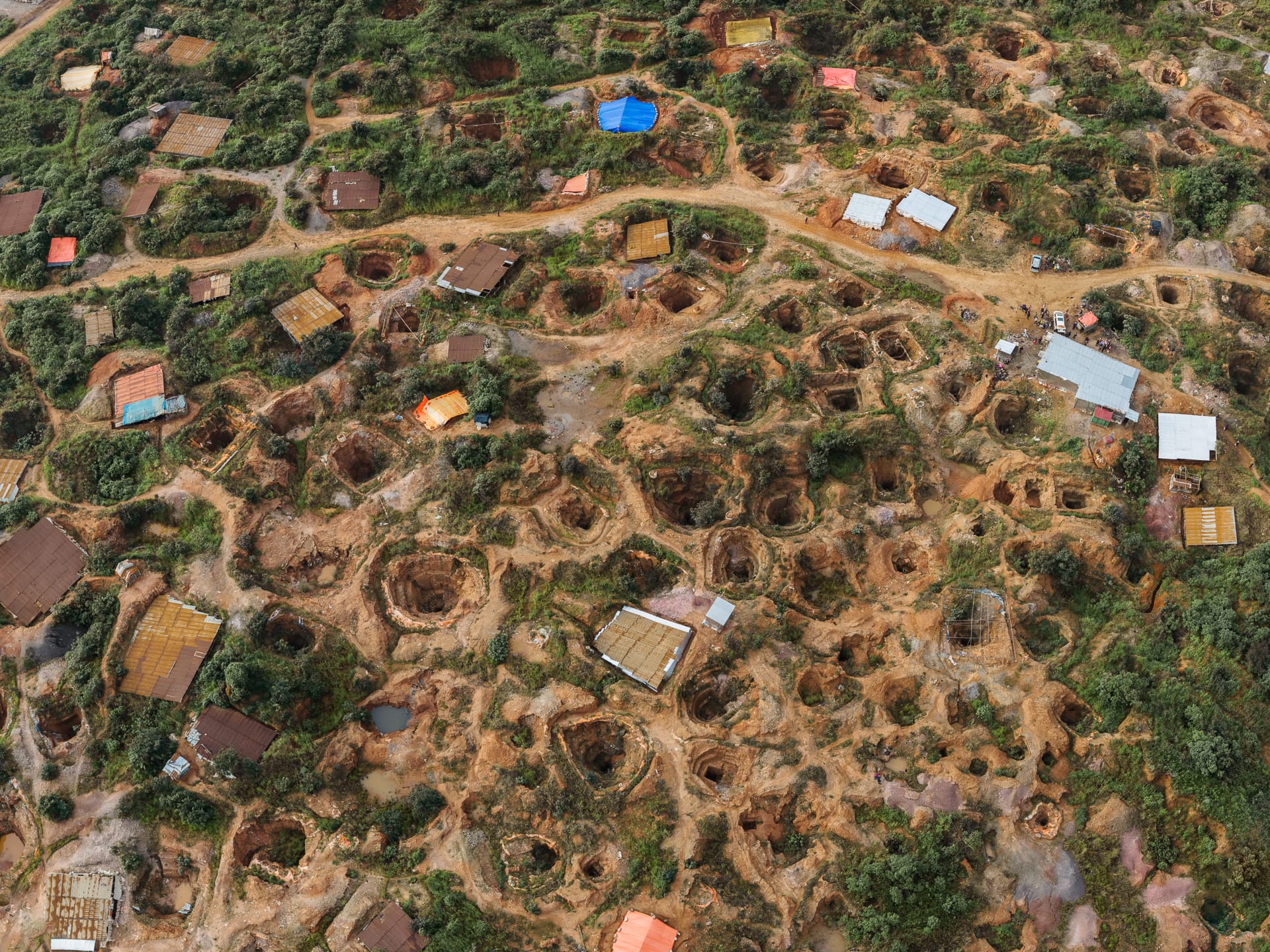
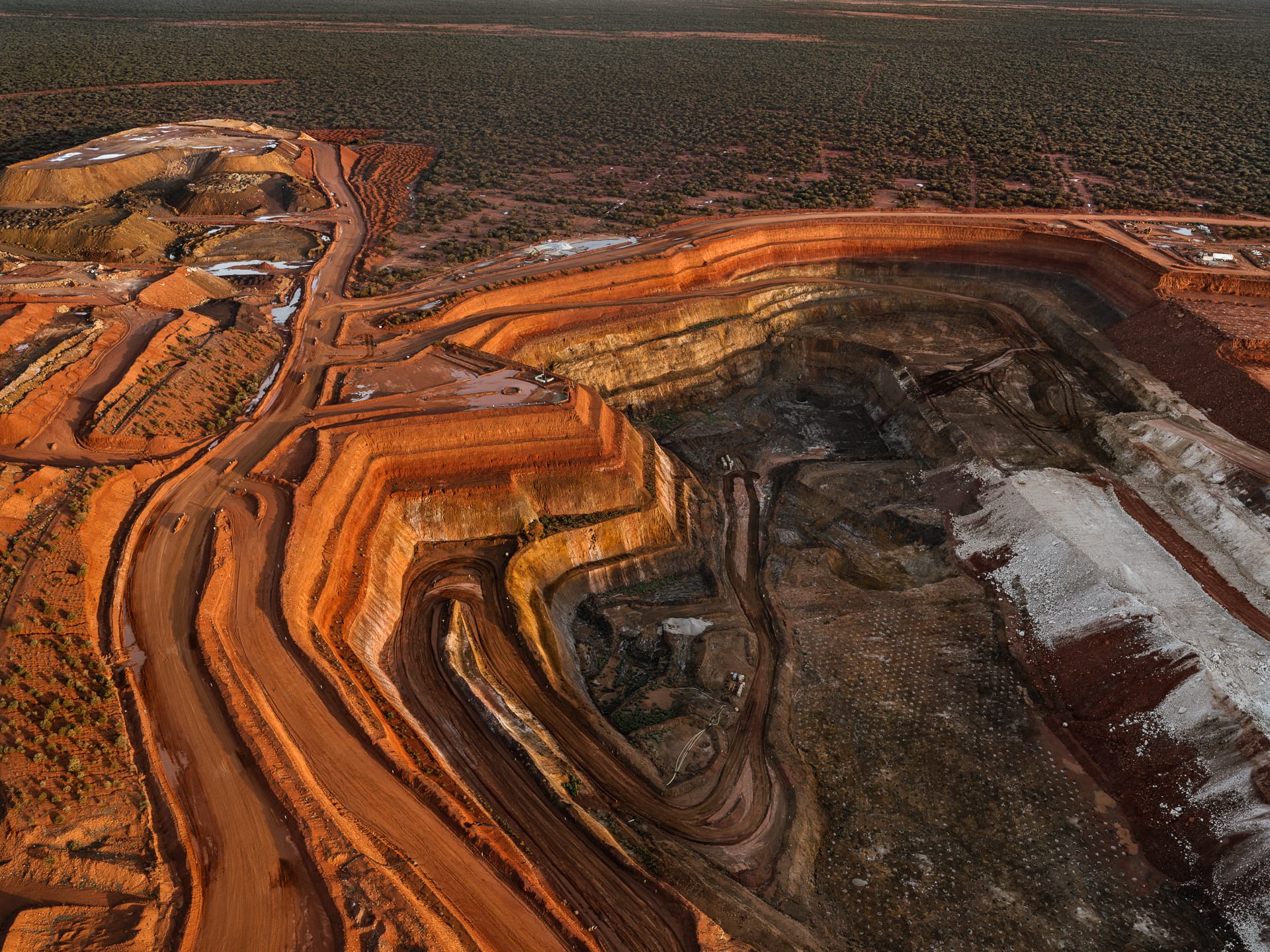
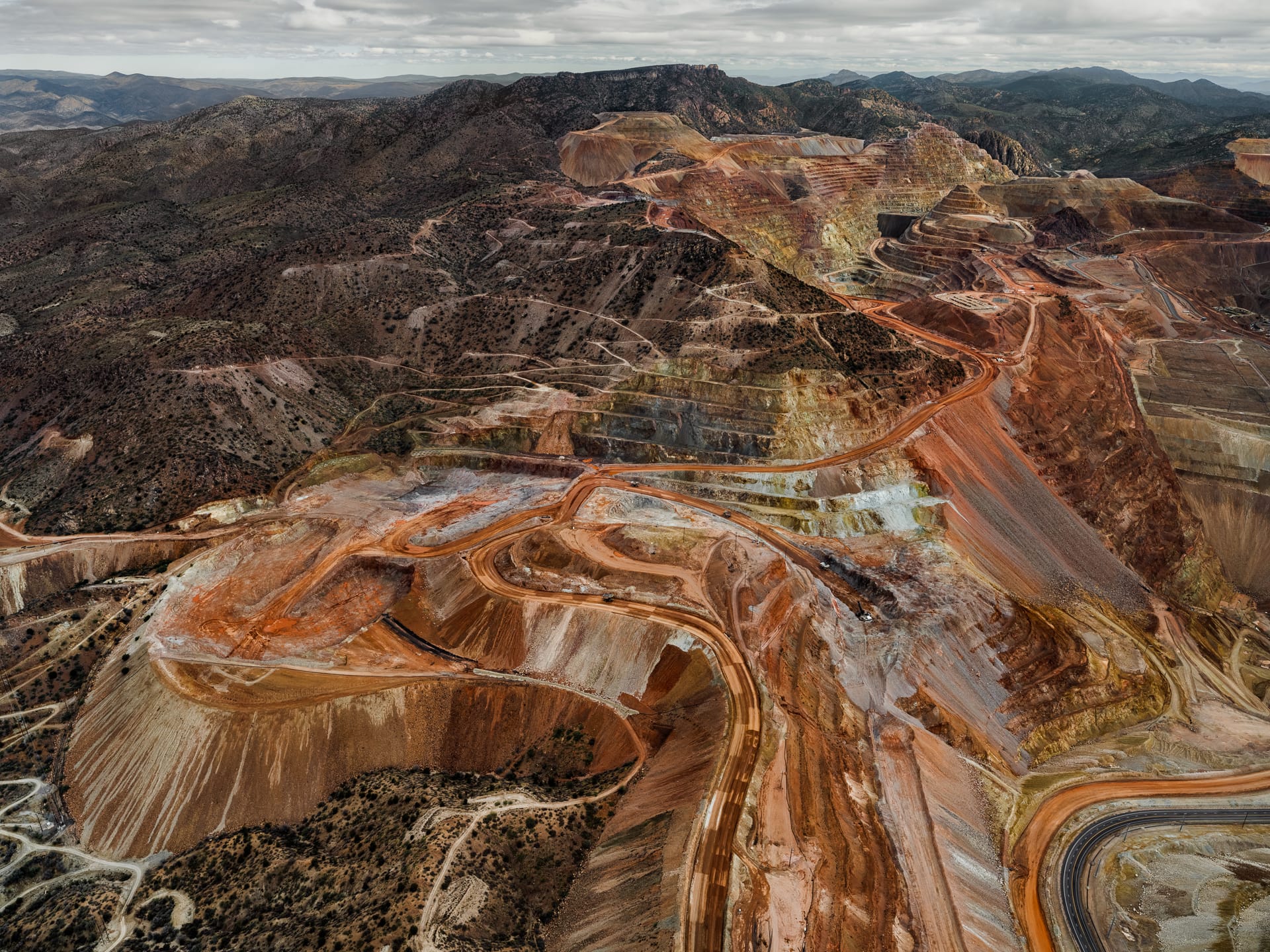
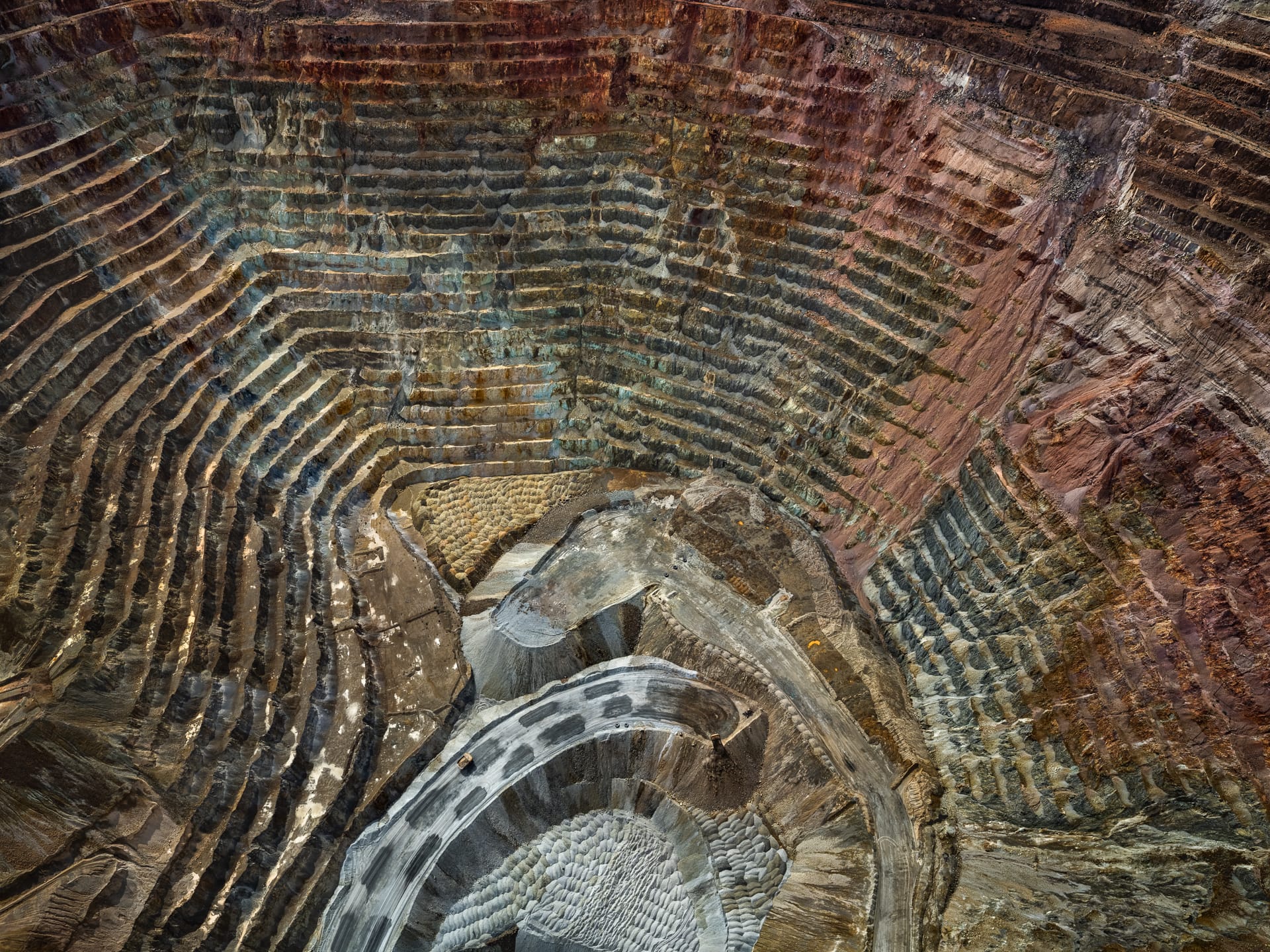
For the past six years, German photographer Tom Hegen has been traveling the globe to document the communities bearing the brunt of this transition. Through his signature aerial images, Hegen captures the landscapes and communities transformed by such extractions, which he presents in his new book, The Mineral Age.
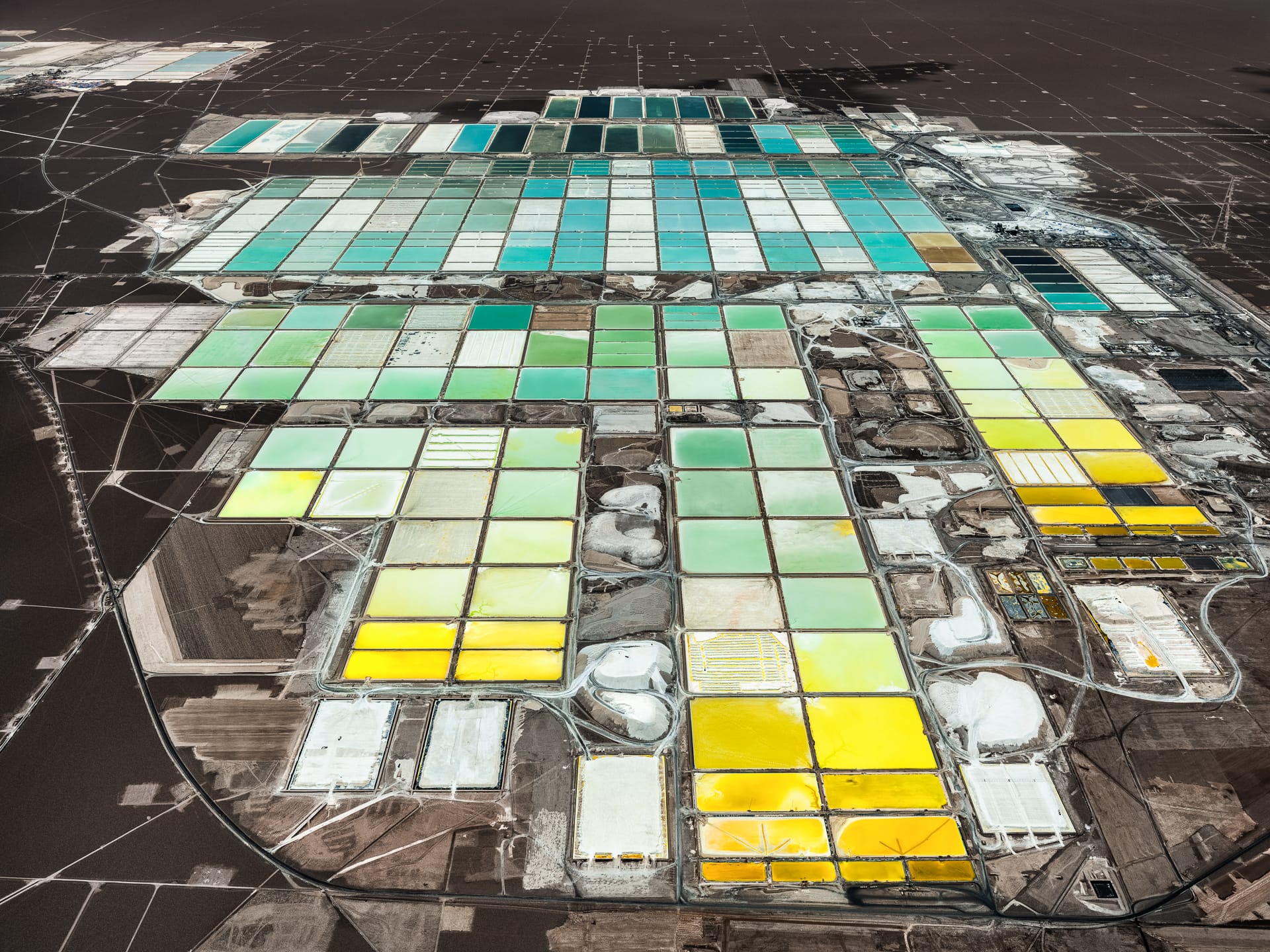
“What particularly caught my attention was that many of these resources are concentrated in just a handful of countries, creating new geopolitical dependencies and vulnerabilities,” Hegen tells Colossal. “At the same time, their extraction often comes with significant environmental and social consequences that receive relatively little public attention.”
The Mineral Age redresses that omission through 247 photographs revealing the indelible effects of mining. We bear witness to the candy-colored evaporation ponds needed to harvest lithium in the Atacama Desert, along with an ochre-tinged nickel pit jutting up against a rainforest in Sulawesi, Indonesia. “Moving away from fossil fuels is far more complex than we might initially imagine. I firmly believe that decarbonising our economies and societies is essential to addressing climate change,” he adds. “The pressing question, however, is at what cost—and who ultimately bears that cost?”
Hegen echoes the concerns of communities around the world, including those of the Salinas Grandes in the Atacama Desert. We recently wrote about the collaborative project helmed by Argentinian artist Tomás Saraceno, who’s been collaborating with Indigenous peoples in the region for decades as they protest lithium mining. Together, they’re working to preserve the ancestral homelands and the resources held underground. Revealing the impacts from the air, The Mineral Age is a converse to Saraceno’s project, which is embedded in the land itself.
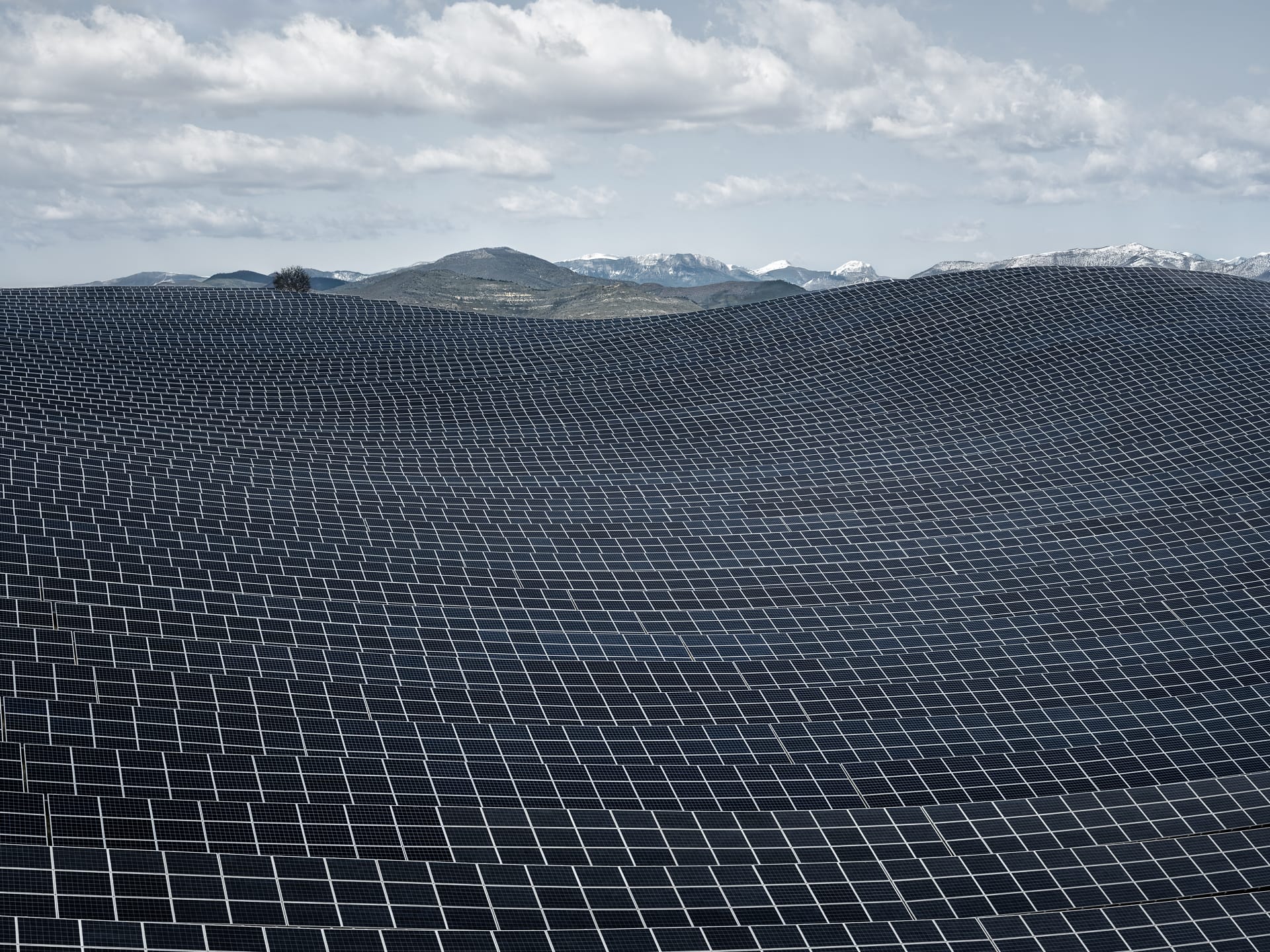
“One of the most important lessons I’ve taken from this project is that no source of energy comes entirely without environmental or social consequences,” Hegen says. “Even technologies we consider clean or renewable depend on extensive industrial processes, vast amounts of raw materials, and the extraction of finite resources.”
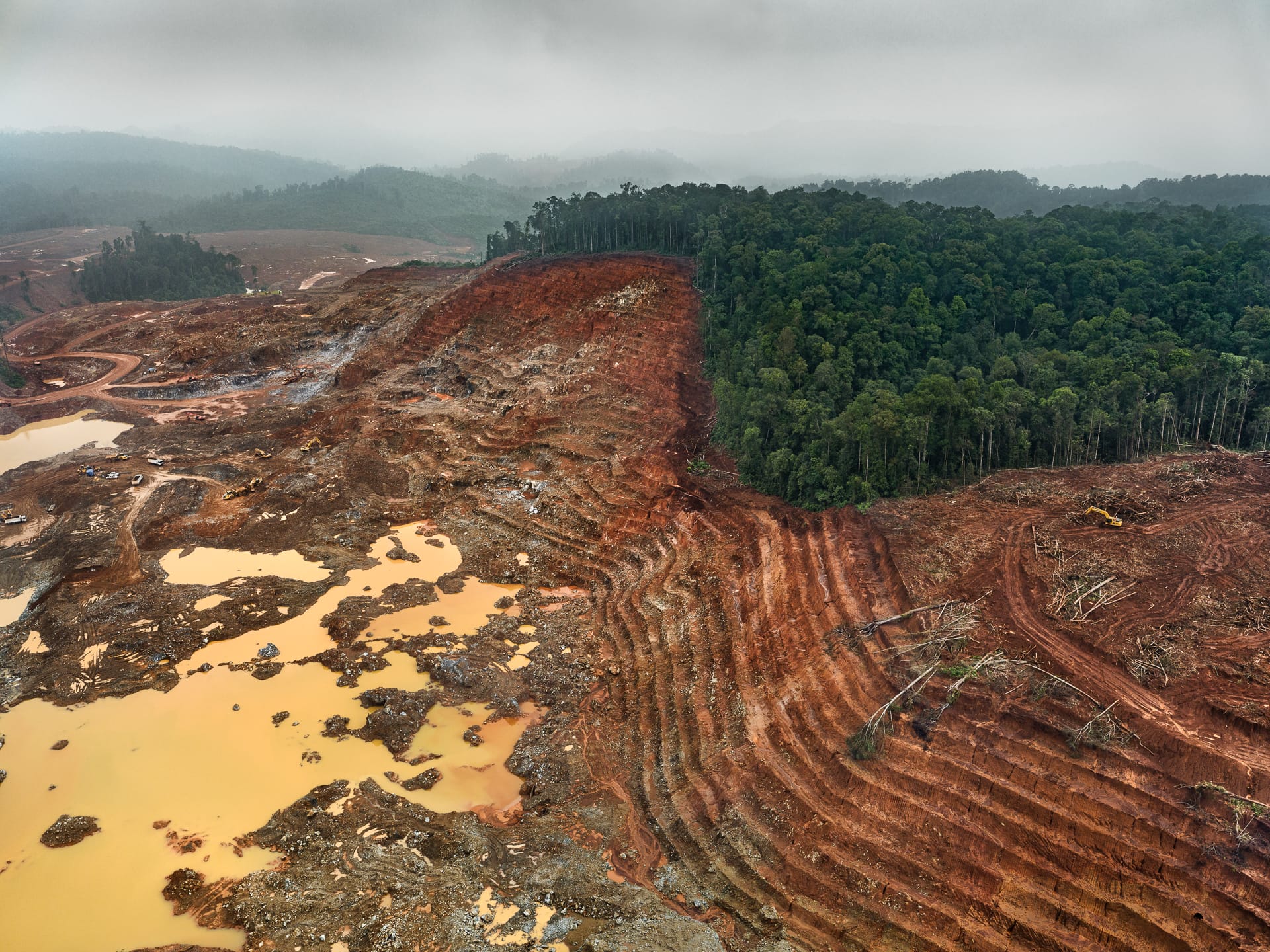
Like Saraceno, Hegen also emphasizes that this conversation isn’t about whether we need to abandon fossil fuels—both agree we do—but rather about how we can do so without replicating the same harmful, extractive policies of our current system.
Published by Hatje Cantz, The Mineral Age is available for pre-order on Bookshop or through Kickstarter. Follow his latest projects on Instagram.

2026

Do stories and artists like this matter to you? Become a Colossal Member today and support independent arts publishing for as little as $7 per month. The article Tom Hegen’s ‘The Mineral Age’ Documents the Indelible Effects of the Green Transition appeared first on Colossal.