D&AD has a stark message for creatives: the industry is eating itself from within
Remember when, a few years back, everyone thought generative AI would help us unleash our creative potential and bring forth whole new worlds from our imagination? Instead, everywhere we look, we're confronted by AI slop. And D&AD's AI & Creativity Report 2026: The Cost of the Shortcut points out an uncomfortable fact. This isn't a bug; it's a feature.
A couple of sentences in this report really hit home for me. "Live prompts [were entered] for the word 'ketchup'. The model returned Heinz, almost every time. Forty years of distinctive brand-building set the default."
That observation, buried a few pages into the report, sums up nearly what 197 creative leaders across 30 countries spent 82 hours telling researchers this year. AI doesn't invent anything; it averages out what's already there.
The utility of AI
Now don't get me wrong: "averaging out what's already there" is proving useful to a lot of people, in a lot of different contexts. For me as a journalist, for example, when I'm handed a 300-page PDF of a scientific paper I barely understand, it's useful to get a summary from AI first.
That doesn't mean I rely on that summary alone, of course. But it does help point me to the sections and issues I need to focus on most carefully, so I can then discuss them in real life with human experts, who tend, thankfully, to speak in plain English that's a lot way from the confusing language of academia.
So I'm not anti-AI. I'm just anti the idea that it can be creative in its own right. And according to D&AD's report, I'm not alone in this thinking.
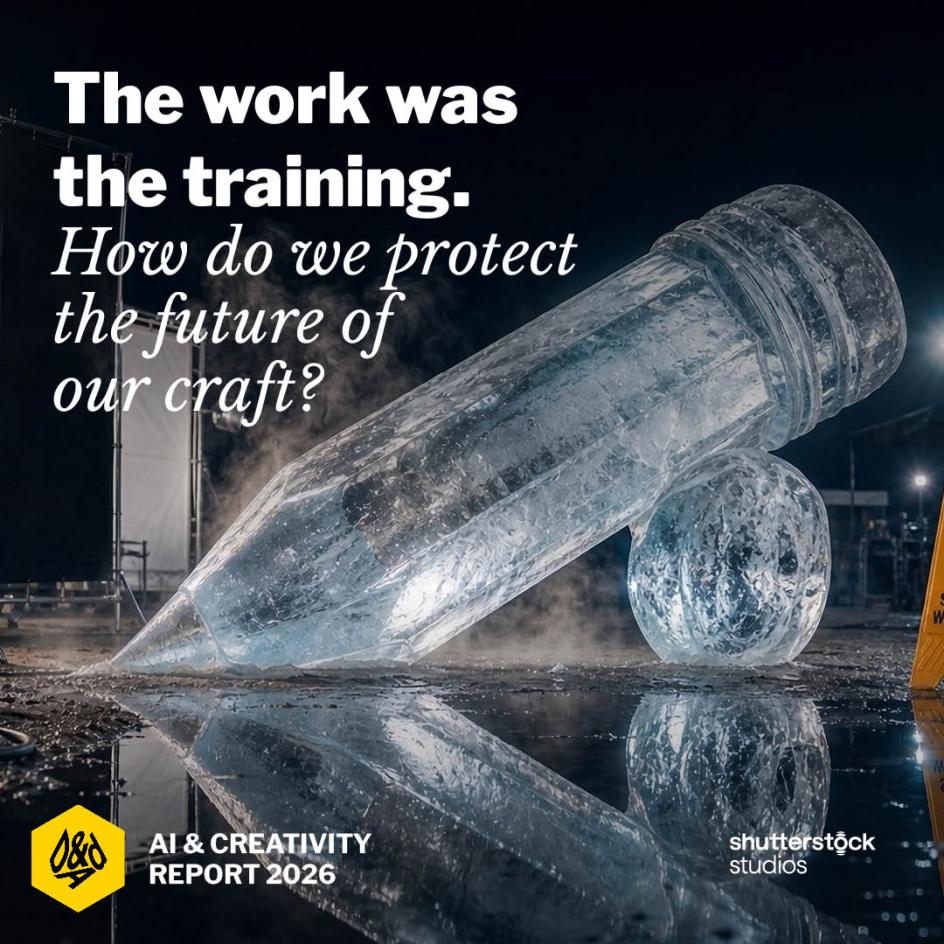
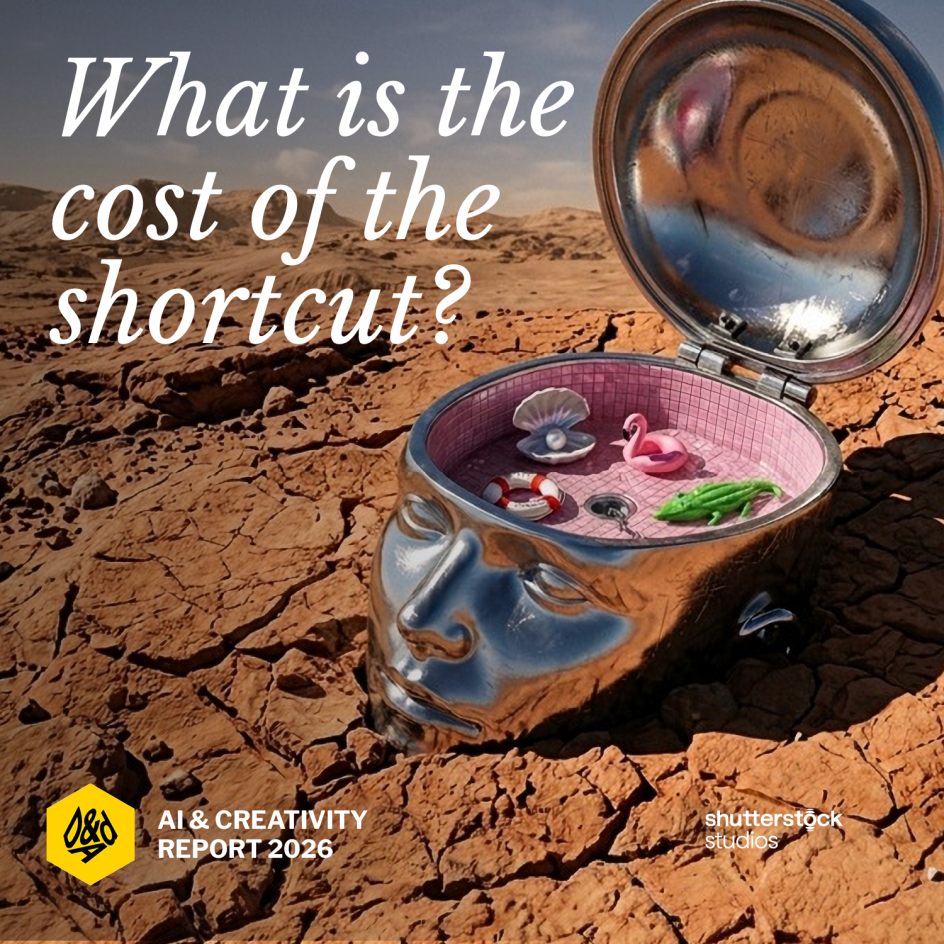
The report's core argument runs like this. "AI-generated work is polished and usable, but without a human touch it's forgettable. The stuff that makes creative work excellent - taste, judgement, knowing why one choice is better than another - still only comes from people."
For many, that sounds like a match made in heaven. Use AI for the boring bits, focus your own efforts on being creative. What could go wrong? Unfortunately, the report points out the downside.
"The tasks being replaced built something," it notes. "Layouts, first drafts, mockups, research and iteration build the instincts that matter later. Repeating that work over time is how juniors become seniors. The repetition was the curriculum."
The consequences of having AI do all that work are stark. As a professor quoted in the report puts it: "AI is lessening opportunities for junior creatives to enter the field. In a few years, when the current juniors and mid-level creatives move up, no one is replacing them. So the industry seems to be eating itself from within."
Loss of headcount
Worse still, this isn't a future worry. It's arguably happening right now.
The IPA's Agency Census reports that the proportion of employees aged 25 and under at UK member agencies fell 19.2% year-on-year, and is now 11.8% of the sector, down from 17.4% three years ago. In the US, the share of advertising and PR jobs held by people aged 20 to 24 fell from 10.5% in 2019 to 6.5% in 2024, the lowest since 2020. More than half of agencies have slowed or paused entry-level hiring entirely.
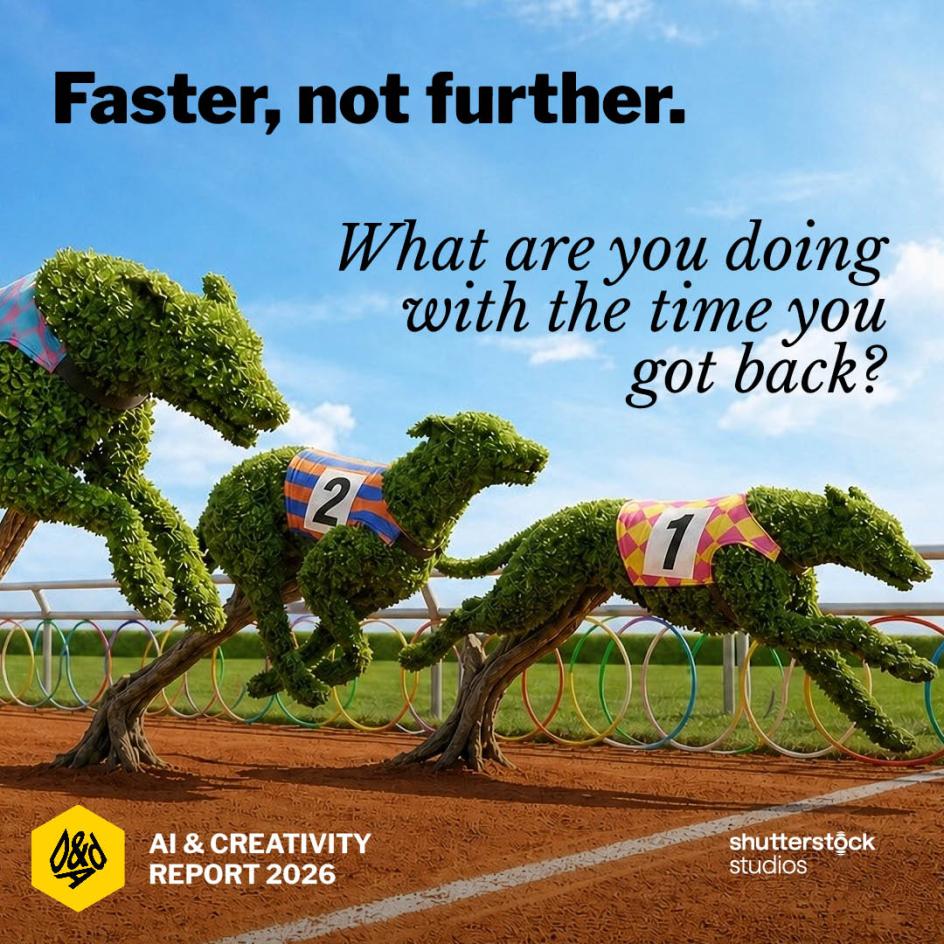
Admittedly, D&AD doesn't blame all of this on AI; consolidation, holding-group cost-cutting, and wobbly share prices are also factors. Indeed, only 8% of UK agencies blame AI directly for headcount reduction.
But at the same time, there's no hiding from reality. The juniors nobody hired in 2025 are the seniors who won't exist in 2031. And that gap, D&AD predicts, is already locked in.
So it seems we're at a crossroads. But D&AD chief executive David Patton believes this doom loop isn't inevitable. He argues that the industry can either treat AI as a shortcut to average, or a catalyst for excellence. "The choice is ours," he says. "To value judgement over shortcuts, protect the rigour that separates competent from exceptional and invest in the people who will learn to tell the difference. AI has raised the floor. It's up to all of us to decide where the ceiling should be."