Studio Sonda Unveils the Living Wine Label for Piquentum
Studio Sonda made a living wine label from the wine's own lees sediment, so noble mould keeps growing on it and no two bottles look alike.
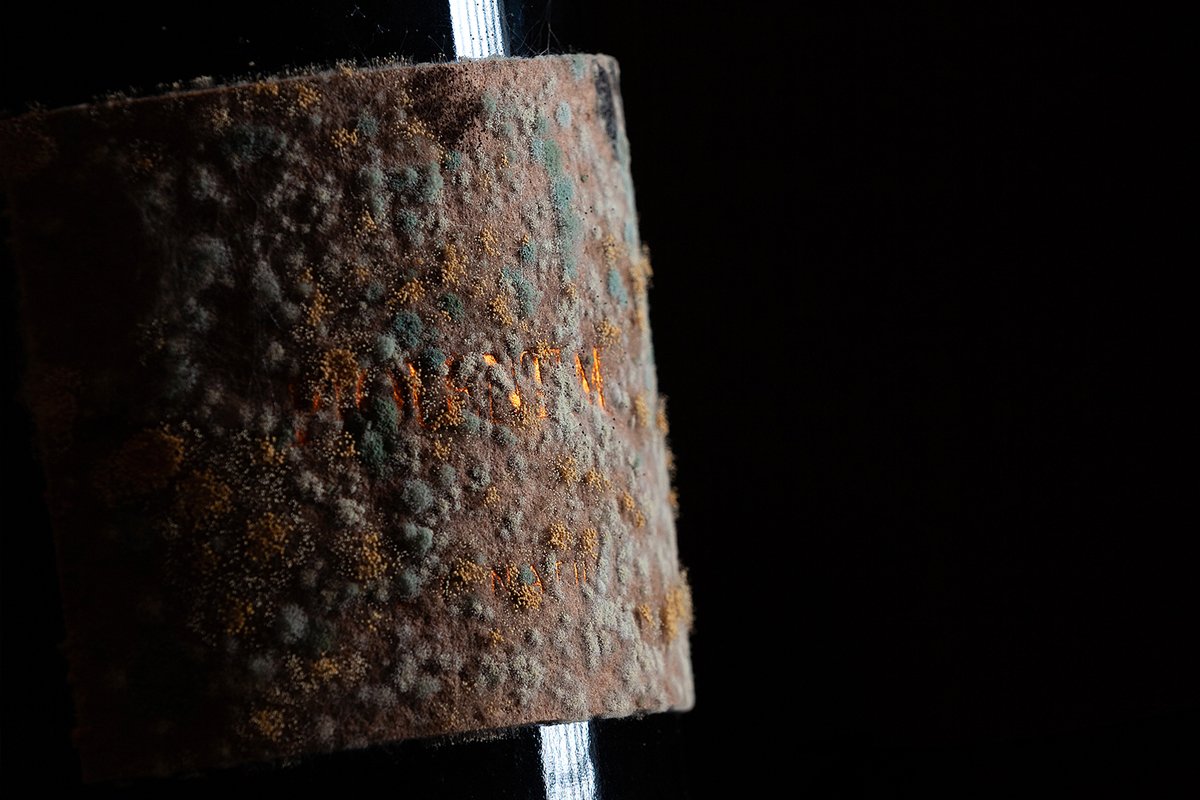
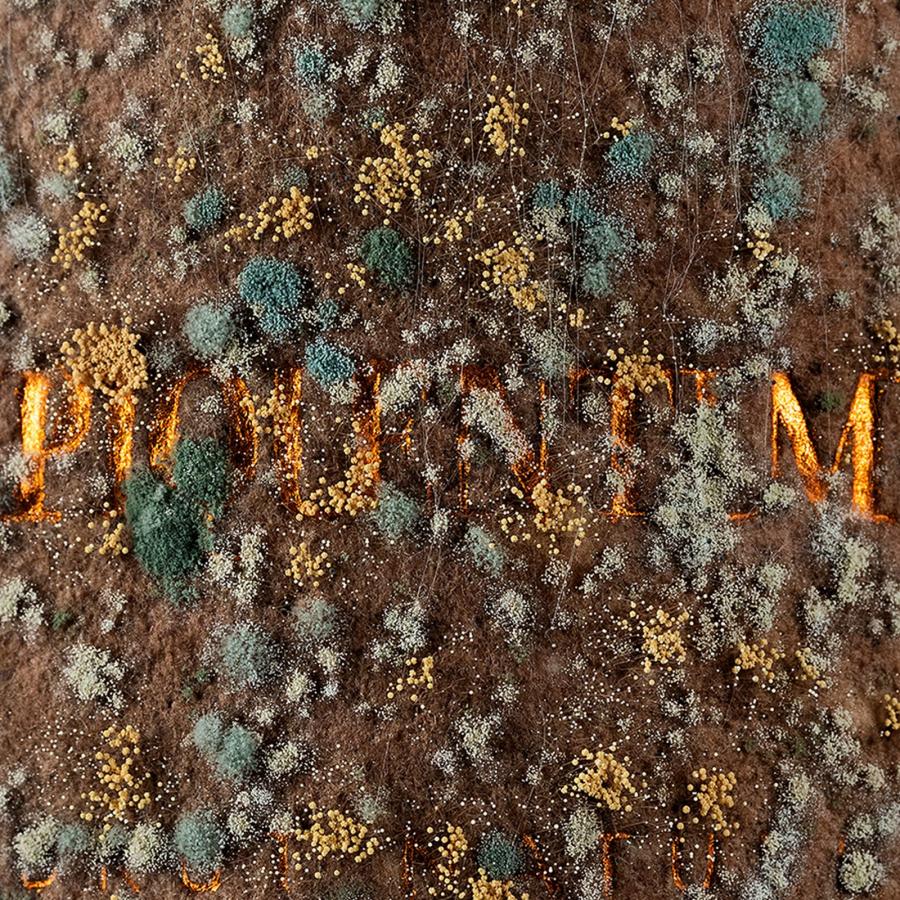
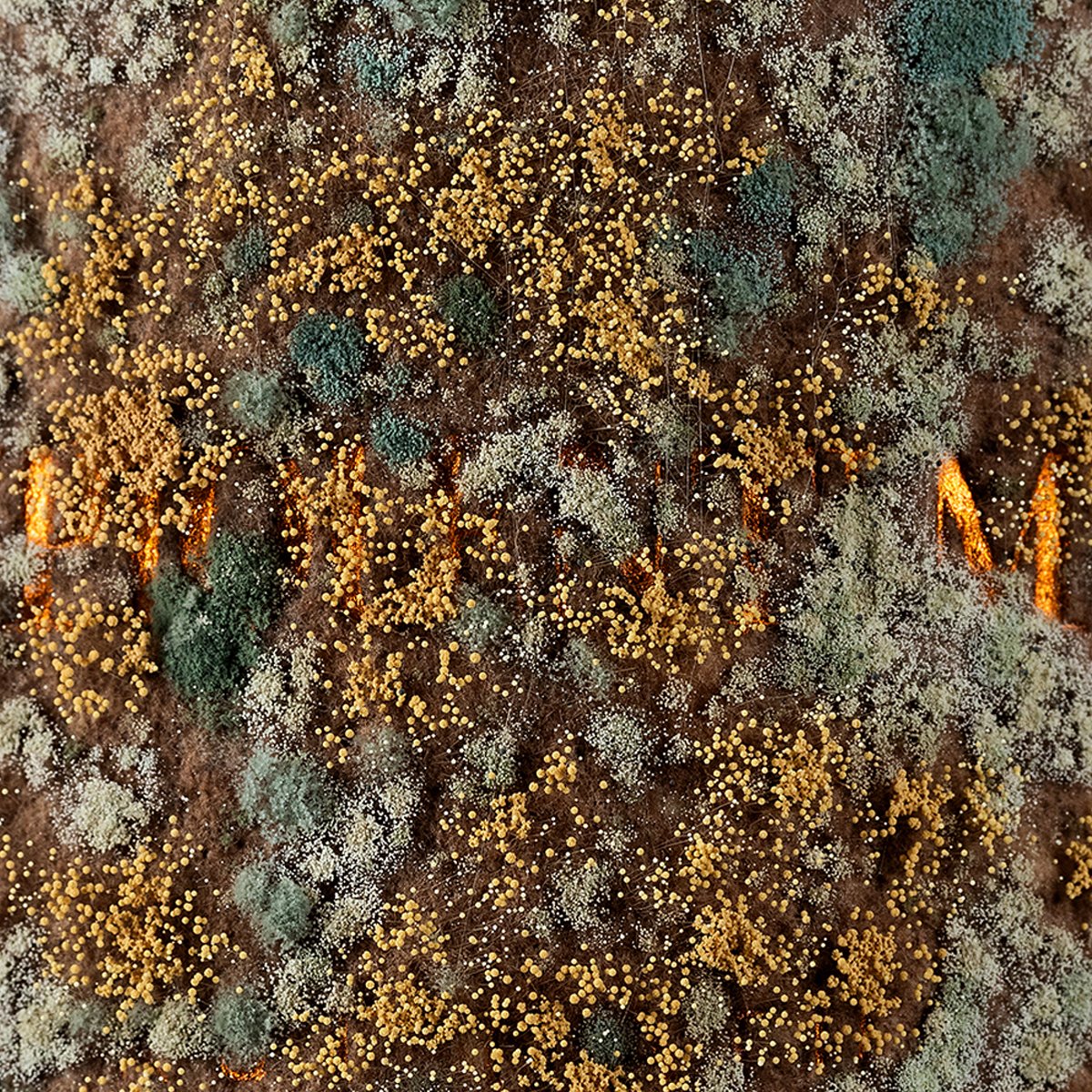
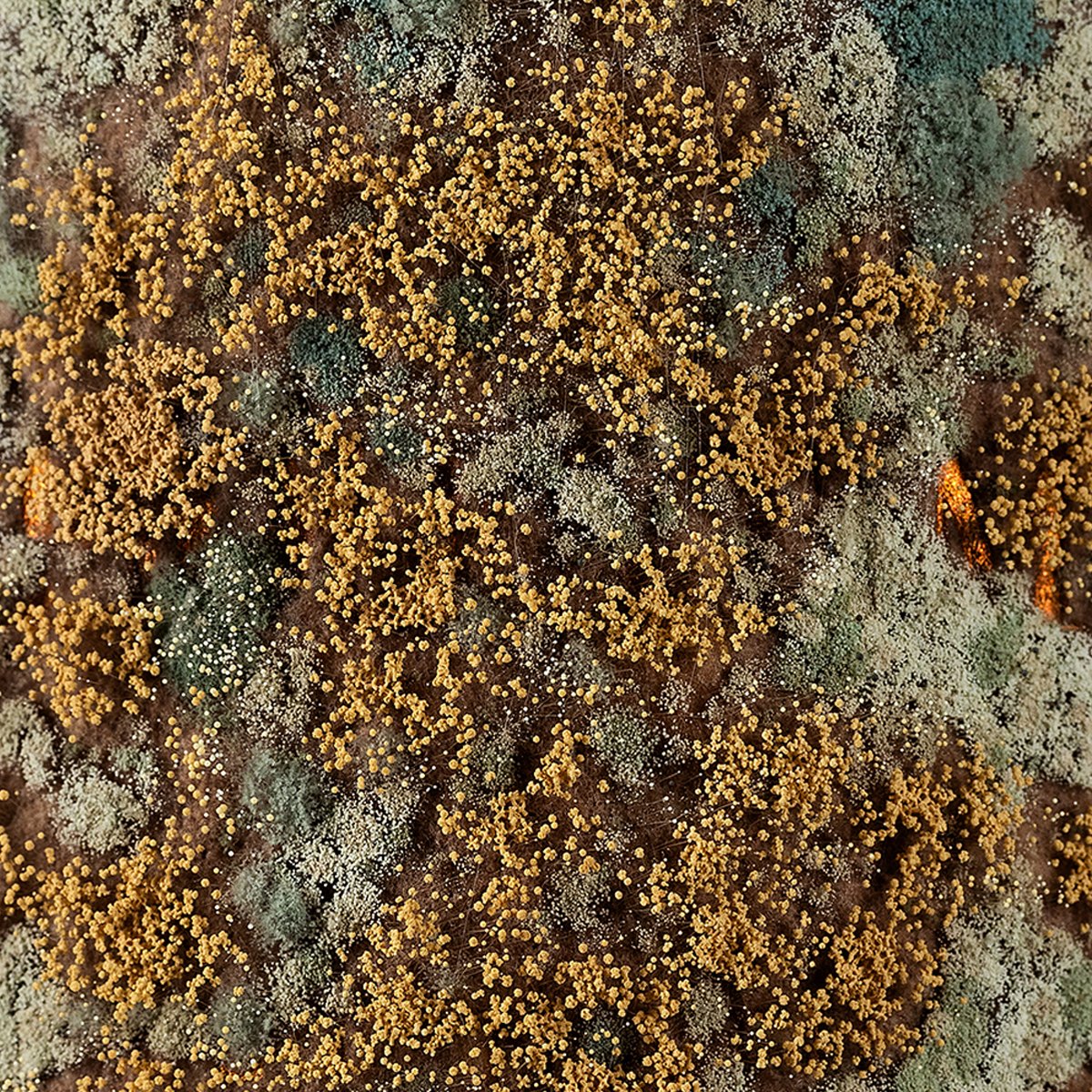
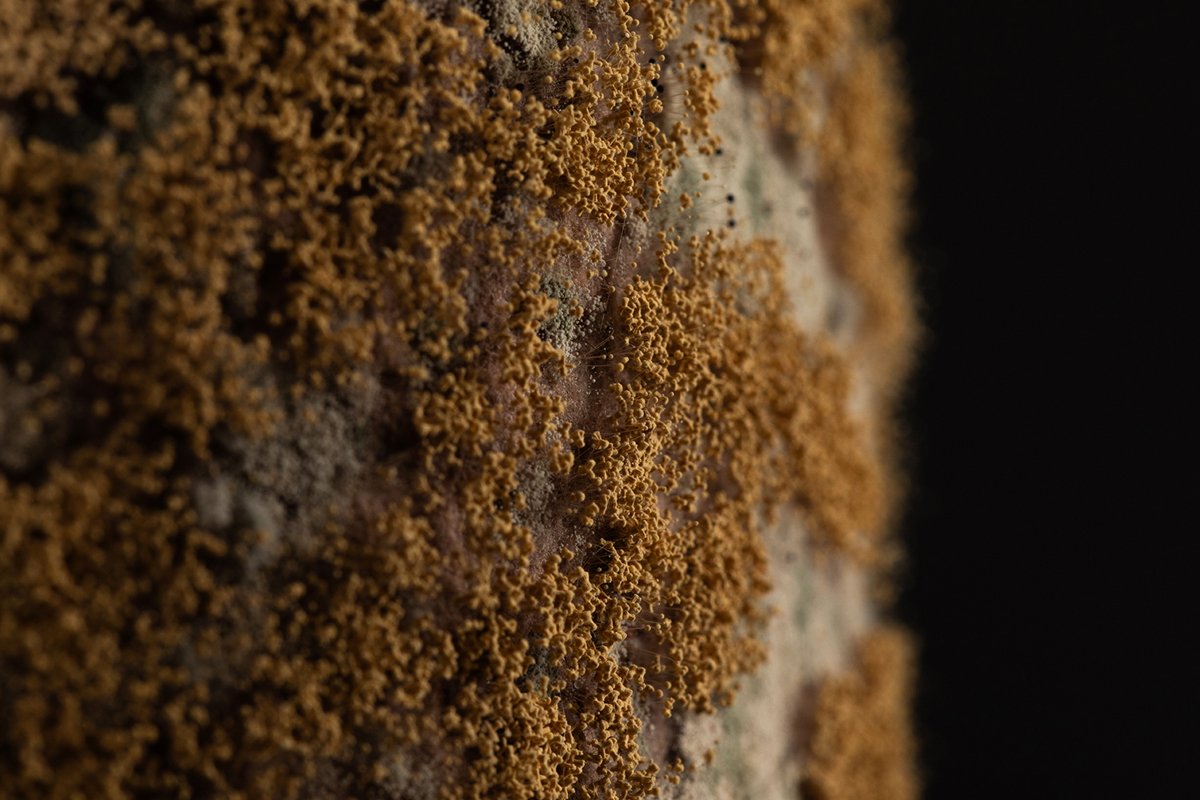
The label is a rough band of sediment paper wrapped straight around amber glass. On a fresh bottle, PIQUENTUM reads in gold serif capitals with BRUT NATURE letterspaced small beneath it, and the dark brown paper does the rest of the talking. Then the wine keeps working underground. Blue-grey and gold mould colonies bloom across the surface and eat into the gold lettering until only fragments show through, like type on a ruin. No two bottles end up alike, so each one becomes a record of the time it spent in the cellar rather than a repeat of the same design. The project took the Diamond at the 2026 Pentawards, the competition's top honour.
The living wine label is made from the wine's own waste
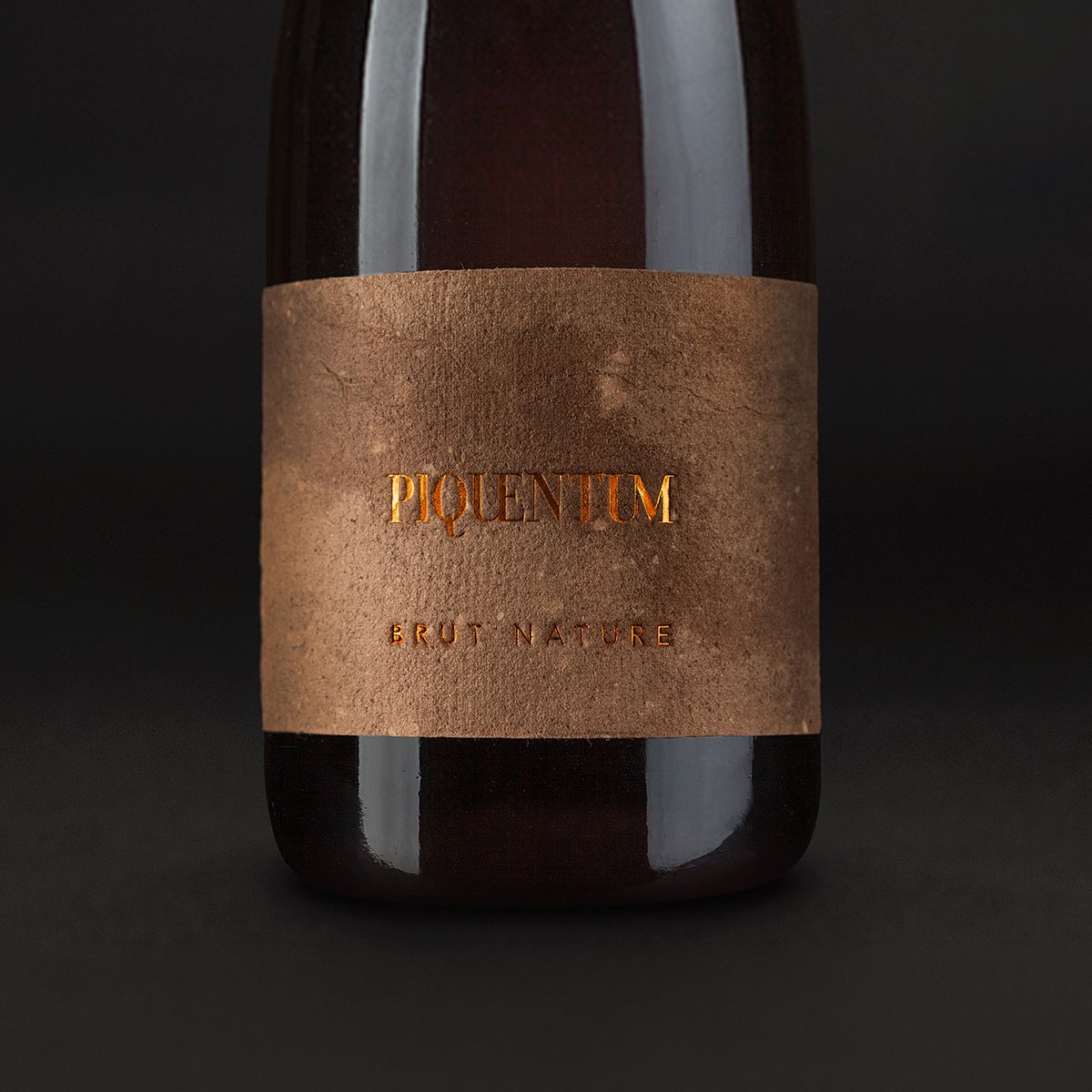
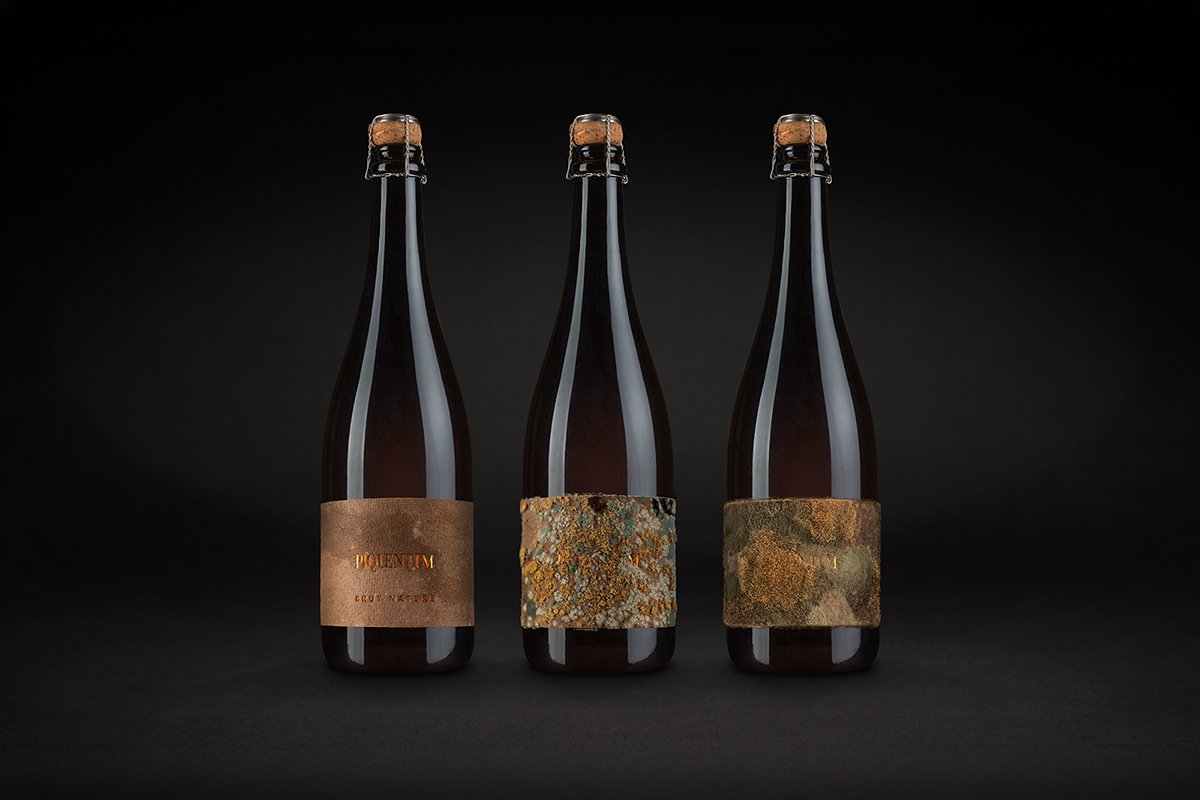
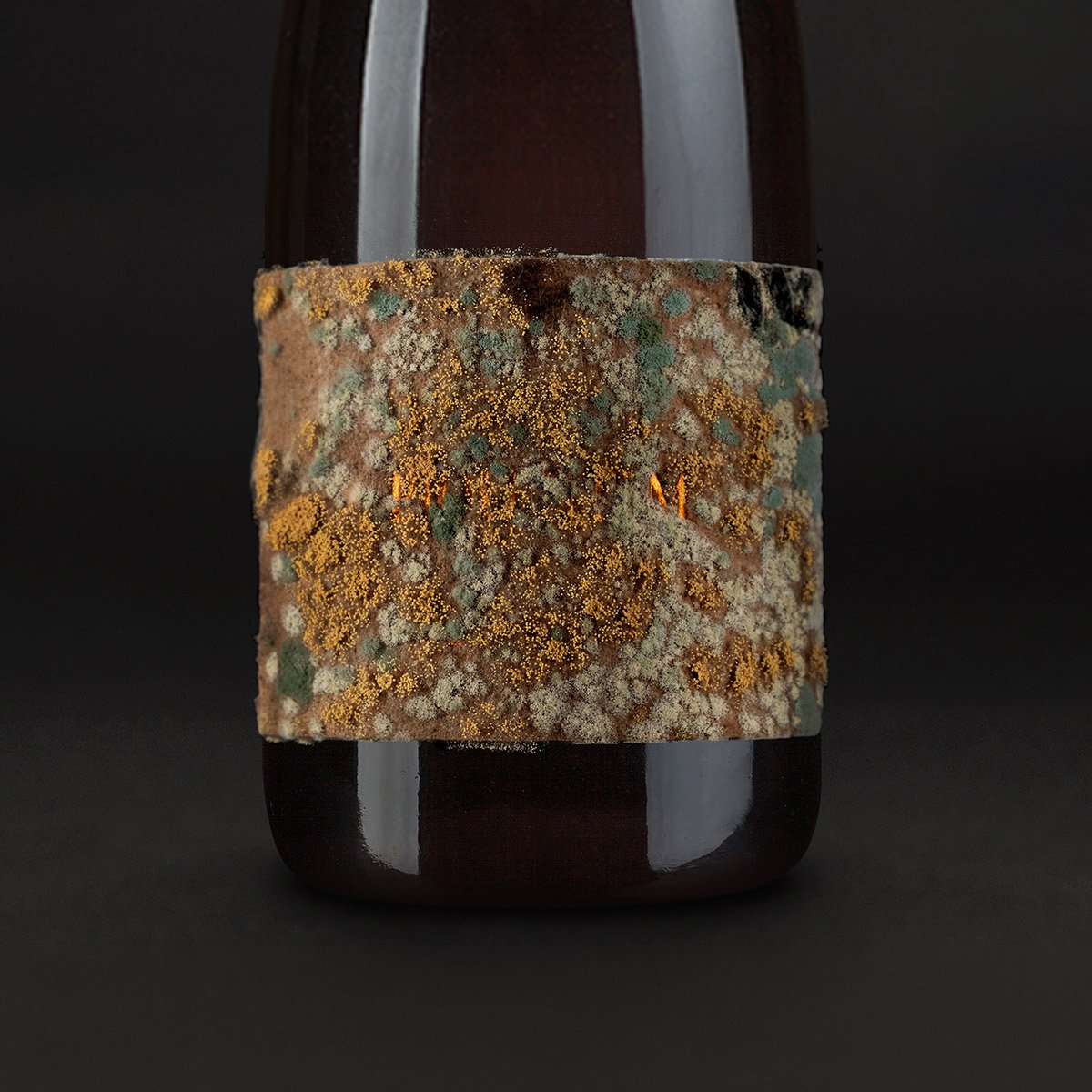
The typography is restrained to a single move. A serif wordmark in classical capitals carries the whole label, with BRUT NATURE set small and wide below it, and nothing else competes for the eye. Gold keeps the lettering legible against the dark paper at first, but the system then hands the hierarchy to nature. The mould edits the type unevenly, erasing some letters and sparing others, so the wordmark degrades differently on every bottle. The label is a centered block of type surrounded by raw material, and the material always wins.
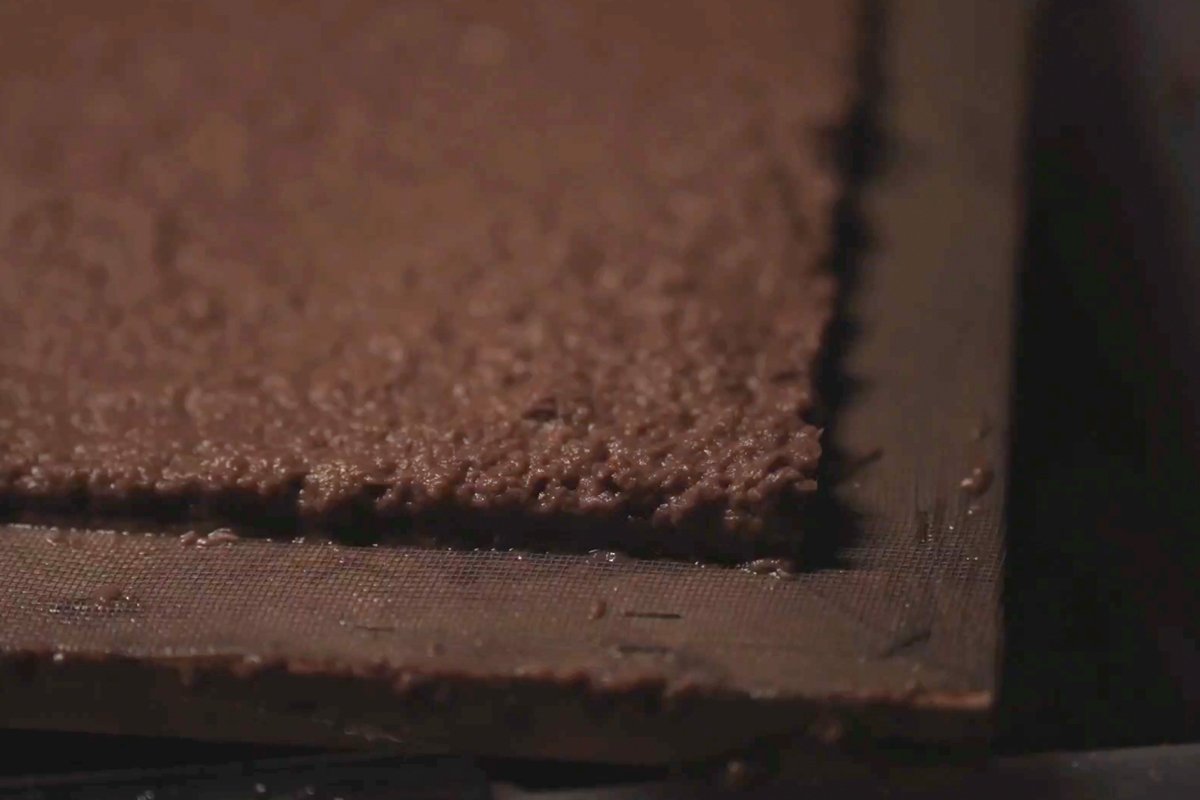
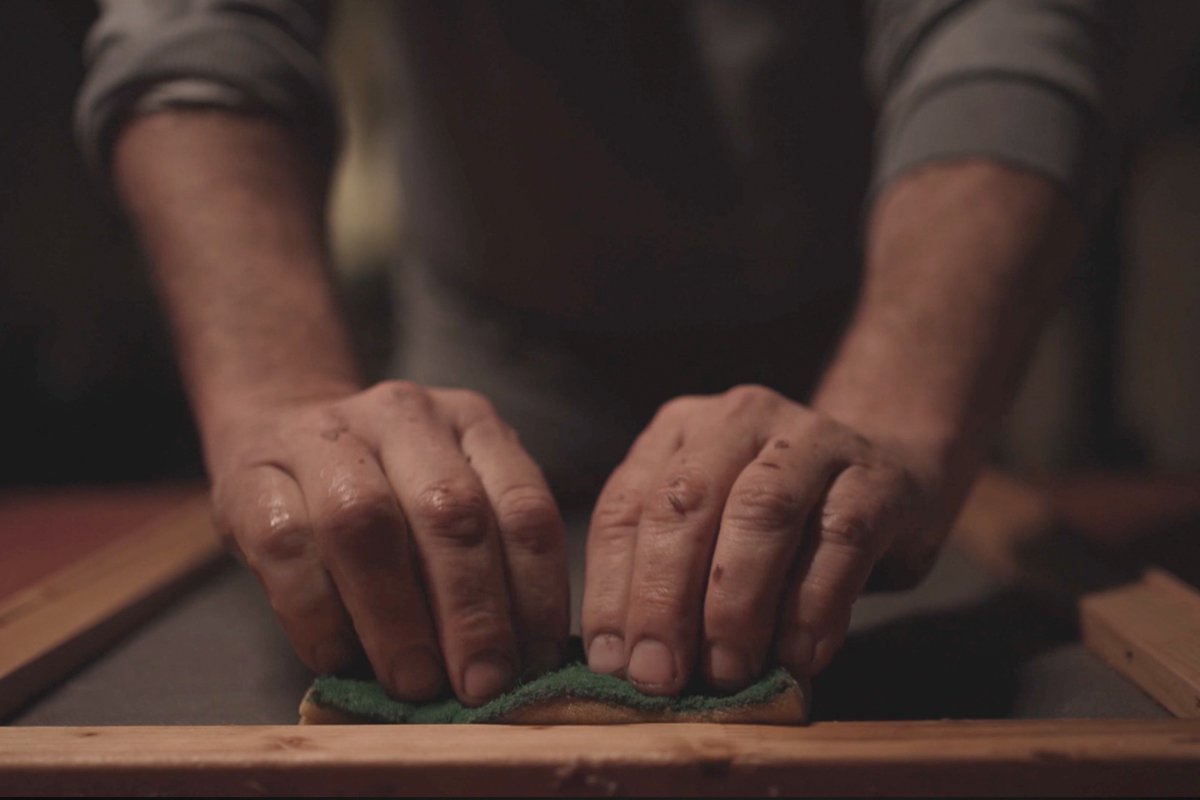
The substrate is the story. Sediment from secondary fermentation, the waste every other producer discards at disgorgement, gets pressed with ten percent paper pulp made from the winemaker's own memos and cardboard packaging. Because nothing in the mix is preserved, the paper stays alive, and the mould that colonises it in the cellar becomes the finish. The first run was 700 bottles in 2025; production doubles to 2,000 in 2026 and 3,000 in 2027, all pre-reserved, with the restaurant list quadrupling to 20 and a third of the bottles going to the USA and UK.
See more from Studio Sonda on the studio's website.