‘we are probably looking for the tension’: formafantasma on designing the exhibition space
formafantasma on research, design, and the exhibition space
For Formafantasma, the Milan- and Rotterdam-based studio founded by Andrea Trimarchi and Simone Farresin, exhibition design starts with looking closely at the relationship between the artworks, the building, the institution, and the people moving through it. The duo’s research-driven practice often looks at materials, culture, and the relationship between tradition and contemporary production, and they bring the same curiosity to exhibition-making. They look for what they call ‘the tension’ in a project — the moments when the artworks, architecture, curatorial idea, and established ways of displaying art don’t quite line up.
‘There is no fixed methodology, because exhibition design is always relational,’ Formafantasma tells designboom. Research and design happen at the same time in the duo’s process. The studio looks at the artworks, their material and historical context, the building they will be shown in, and the conventions of display, while also testing walls, materials, sightlines, and other ways of organizing the space. Sometimes, a seemingly pragmatic decision can reveal the larger question. ‘An apparently pragmatic decision, a wall, a fabric, a particular sightline, reveals a conceptual question that becomes central to the project,’ they explain.
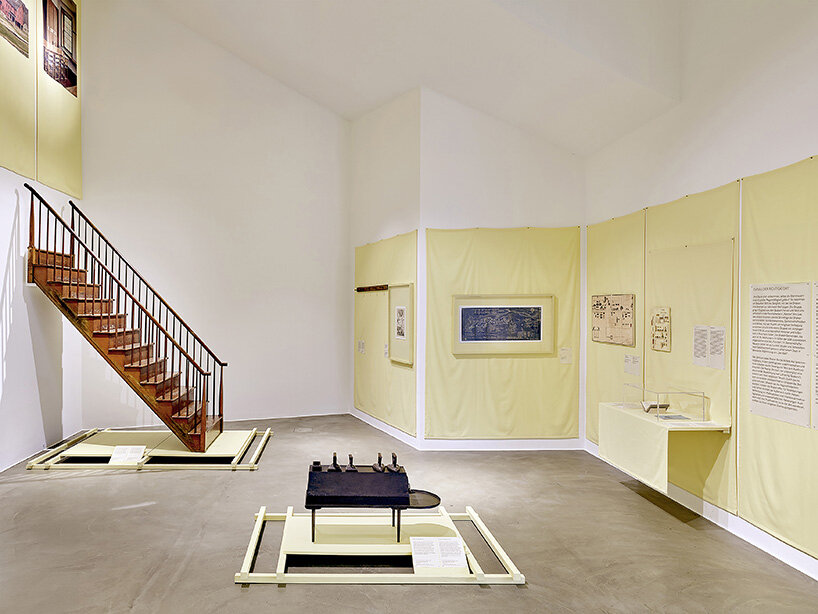
The Shakers: A World in the Making at Vitra Design Museum, Weil am Rhein | image by Bernhard Strauss, courtesy of Vitra Design Museum
challenging the supposedly neutral exhibition space
That way of working also leads Formafantasma to question one of the most familiar conventions of contemporary exhibition-making: neutrality. The white cube can appear to disappear around an artwork, but the studio argues that its familiarity does not make it neutral. ‘A white plaster wall is no less designed than a metal or textile wall,’ they tell us.‘It has simply become so familiar within contemporary art that we have stopped seeing it as a choice.’
Their exhibitions of Caravaggio and Bernini at the Rijksmuseum in Amsterdam and Mike Kelley at Moderna Museet show how they approach this idea differently depending on the work. For Caravaggio and Bernini, they moved away from the darkness and theatrical lighting associated with the artists, using an exhibition language closer to the white cube. With Mike Kelley, they did almost the opposite, bringing the industrial character of the museum into the foreground through metal panels. In both cases, the architecture around the works is treated as part of the exhibition and not as something that fades into the background. ‘The response therefore cannot precede the question,’ Andrea Trimarchi and Simone Farresin explain. ‘It emerges from looking very closely at what is already there.’
For the studio, the objective is to identify the particular spatial conditions that might make relationships within each project more visible or more complicated. ‘We are less interested in finding a visual language that will unify everything than in understanding what spatial condition might make the relationships within an exhibition more legible or more complex,’ the duo shares with designboom. This also explains their interest in the history of display itself. The way objects are exhibited is never simply a technical matter. ‘We have become increasingly interested in the exhibition itself as an object of inquiry: why a wall looks the way it does, why information occupies a particular position, why visitors are expected to move or sit in particular ways, why some materials appear neutral while others become immediately visible,’ they add.
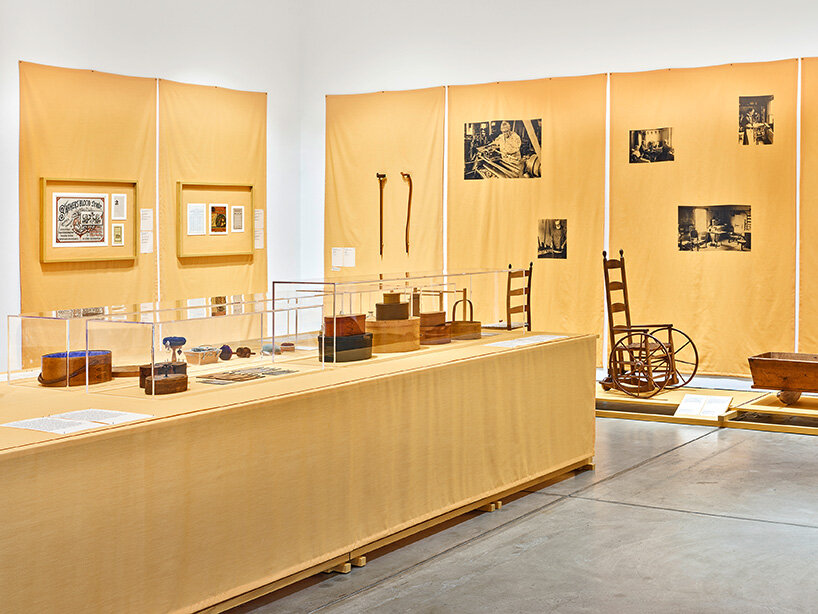
The Shakers: A World in the Making at Vitra Design Museum, Weil am Rhein | image by Bernhard Strauss, courtesy of Vitra Design Museum
turning curatorial ideas into spatial conditions
This relationship between concept and physical space is evident in Formafantasma’s work for the 2026 Diriyah Contemporary Art Biennale. Curators Nora Razian and Sabih Ahmed were thinking about movement, migration, oral transmission, and different forms of passage. The Biennale’s setting in the JAX district, meanwhile, consisted of very large industrial spaces.
Formafantasma introduced porous textile partitions and wooden structures that established boundaries without severing one space from another. Visitors could often perceive another work, room, or presence through the architecture. ‘The curatorial idea of movement therefore wasn’t represented symbolically; it began to affect how boundaries themselves behaved,’ the studio highlights. Instead of translating a curatorial idea into an obvious visual metaphor, Formafantasma allows it to influence the physical organization of the exhibition. The conceptual and the practical develop alongside one another, a process that applies to questions that might initially appear purely technical, such as whether a work can tolerate daylight, how much acoustic separation a sound work requires, what should be visible behind an artwork, where visitors can rest, and how much material should be introduced for an exhibition that will exist for only a few months.‘Conceptual questions and technical questions are not separate for us,’ they say. ‘The exhibition emerges through their negotiation.’
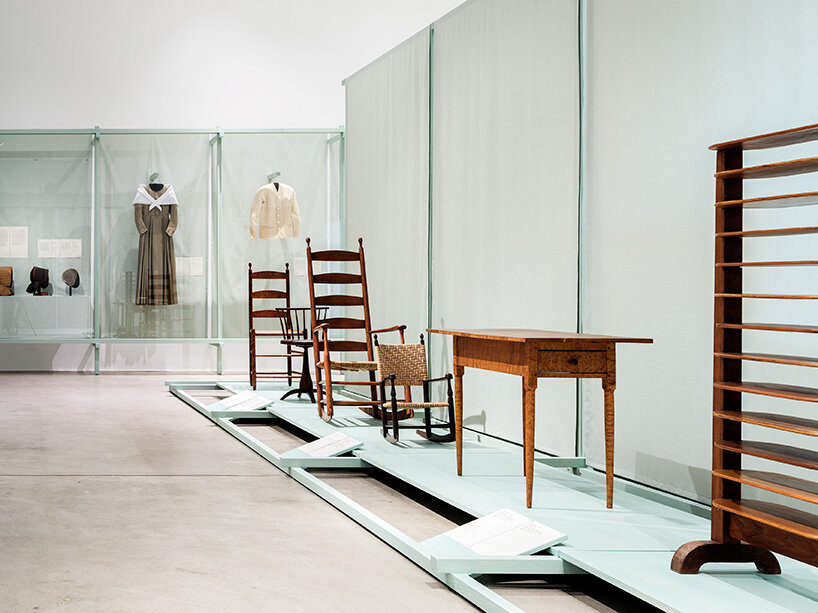
The Shakers: A World in the Making at Vitra Design Museum, Weil am Rhein | image by Martin Schgaguler, courtesy of Vitra Design Museum
providing structure without prescribing interpretation
Visitor movement is another area where Formafantasma resists the idea of complete control. Sightlines, thresholds, concealment, and revelation can all affect what becomes visible and when, but the studio is wary of treating an exhibition as a choreography in which every visitor follows an intended sequence.‘We would resist thinking of movement as something we can completely choreograph,’ they explain. ‘Choreography can imply that the designer knows how the visitor should move and what they should experience at each moment. We are more interested in establishing conditions and possibilities.’
The approach changes according to context. At the Venice Biennale, where visitors encounter a high density of artworks and information, directing the gaze and creating moments of visual relief can become important. In a smaller exhibition, there may be greater room for wandering and ambiguity. For House of Nisaba: New Stories of Painting, curated by Hendrik Folkerts at Moderna Museet in 2026, Formafantasma deliberately avoided a central axis and prescribed sequence. From outside, the exhibition appears as a single architectural object. Inside, that unity fragmented into multiple routes and views created by straight and curved cardboard partitions. The architecture gave visitors orientation without establishing one narrative. ‘Perhaps the distinction is between providing a structure and prescribing an interpretation,’ Formafantasma says. ‘A structure can be precise while remaining open to other readings.’ The choice of cardboard sharpened this idea further. At a distance, the architecture could appear almost monumental, with a clear perimeter and threshold. Up close, however, the material was visibly fragile and provisional. ‘We liked that contradiction,’ they comment. ‘It was almost a cathedral made from cardboard: monumental but open to revision.’ Despite its monumental scale, the material could be cut, moved, and rebuilt, making the space feel more like a full-scale model.
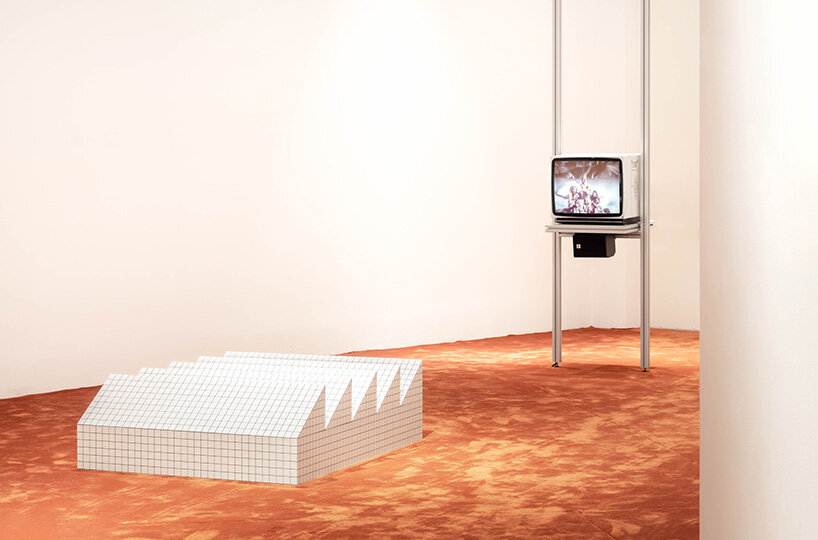
Eccentrica at Centro Pecci | image by Marco Cappelletti
the artwork and its temporary ecology
Formafantasma describes this relationship between artwork and setting through an unexpected analogy: a nature documentary. ‘There is an animal in the foreground, which we understand to be the protagonist, and behind it there is a landscape that we somehow perceive as scenery,’ they say. ‘Ecologically, of course, this distinction makes no sense. The animal exists through its relationships with that environment.’ The same, they argue, is true of an exhibition. Artwork, architecture, neighboring works, texts, light, materials, visitors, and the institution form a ‘temporary ecology.’ Changing one element changes the relationships between the others.
This is why the studio rejects the idea of exhibition architecture as a passive background. Its role is to acknowledge that the conditions of display are already active. One of the projects that most clearly shifted Formafantasma’s understanding of this possibility was Oltre Terra, an exhibition that the duo both curated and designed. Investigating wool and the complicated relationships between humans, sheep, landscapes, agriculture, and extraction, the project also examined the history of the diorama as a device for isolating, reconstructing, and observing nature. Because Formafantasma was responsible for both the research and the exhibition apparatus, display could become part of the investigation. ‘The distinction between content and display became much less useful,’ they say.
The project helped the studio understand that exhibition design could do more than contain research. It could articulate an argument. That position places Formafantasma’s exhibition work within the broader logic of their practice, which moves between research, materials, objects, and users. The team uses the act of designing to expose the systems and conventions that shape what we encounter. ‘The conventions of exhibiting are extraordinarily powerful precisely because most of the time we don’t notice them,’ they conclude. ‘Making one of those conventions slightly unfamiliar can sometimes reveal the entire system.’
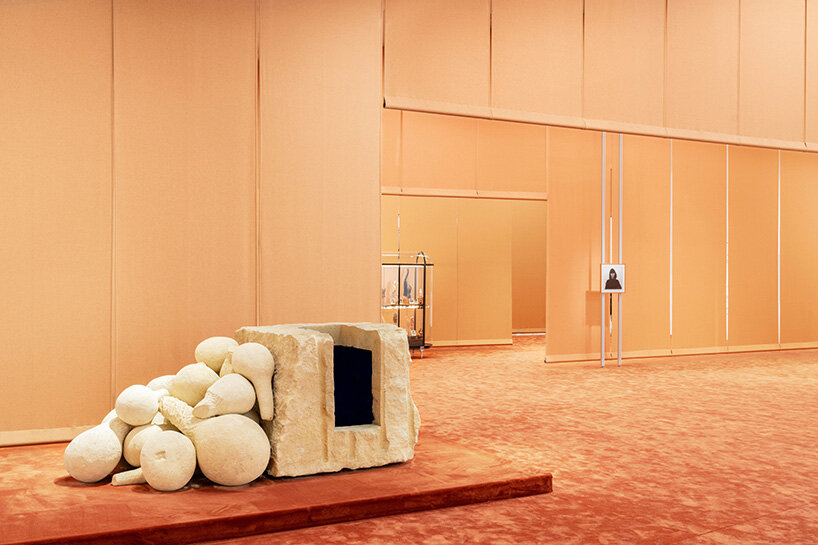
Eccentrica at Centro Pecci | image by Marco Cappelletti
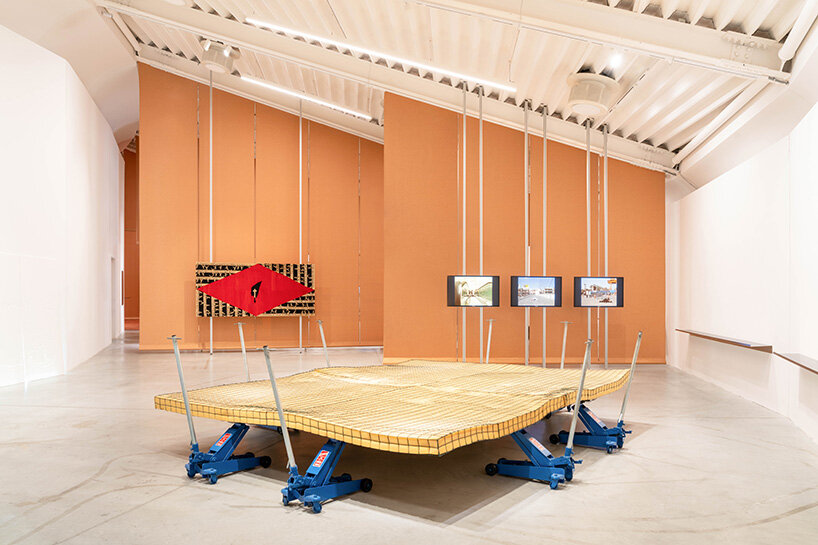
Eccentrica at Centro Pecci | image by Marco Cappelletti
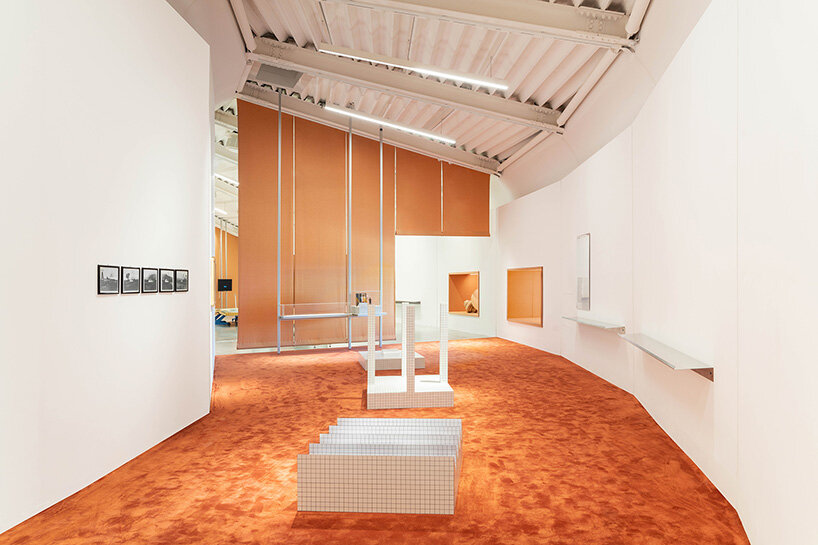
Eccentrica at Centro Pecci | image by Marco Cappelletti
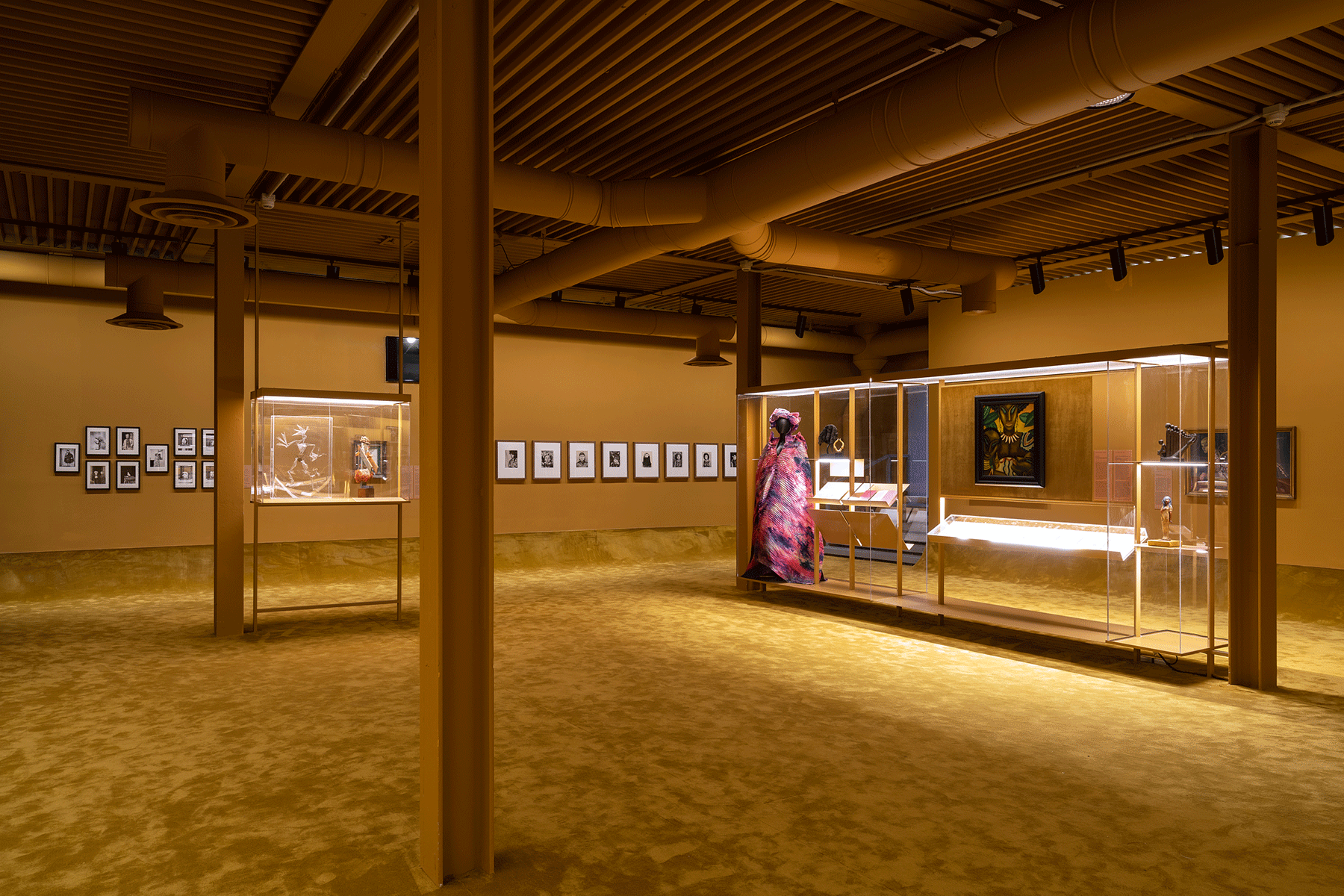
Biennale Arte 2022 – The Milk of Dreams | image by Marco Cappelletti
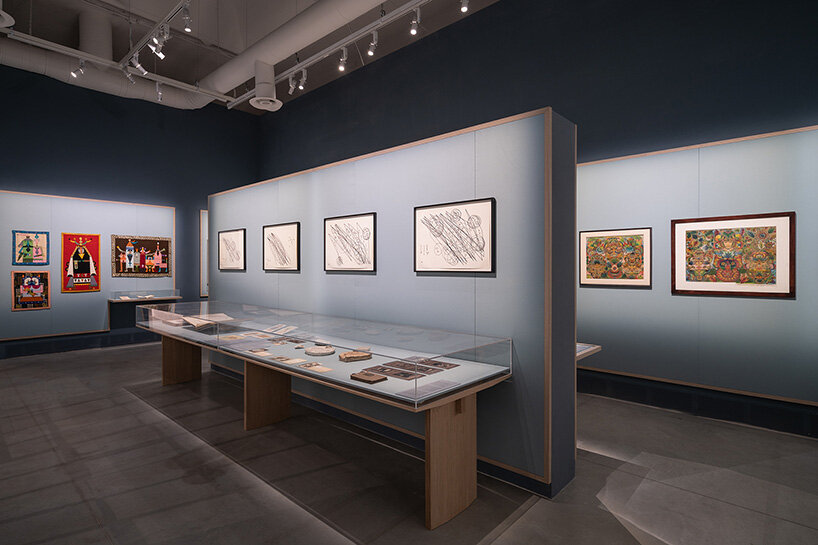
Biennale Arte 2022 – The Milk of Dreams | image by Marco Cappelletti
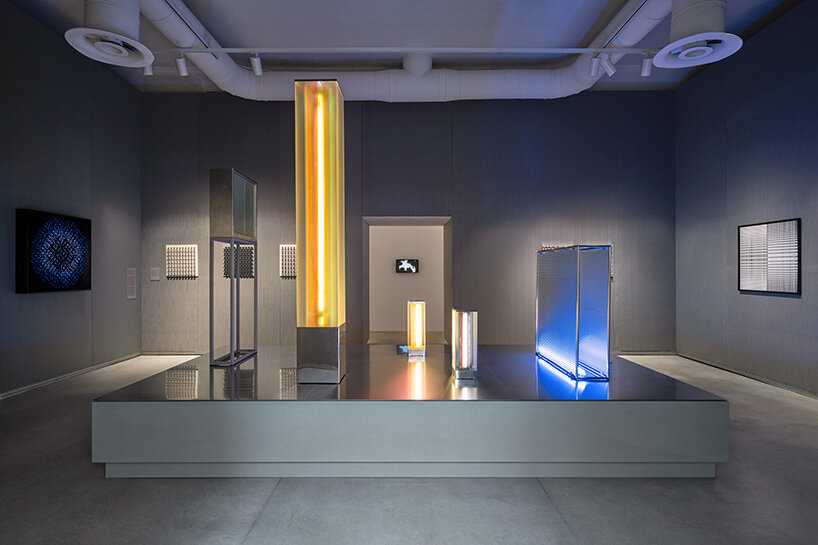
Biennale Arte 2022 – The Milk of Dreams | image by Marco Cappelletti
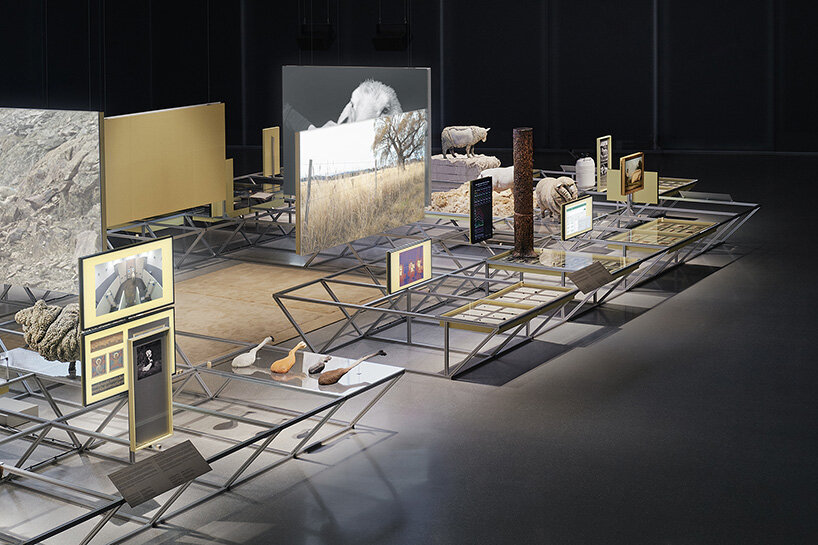
Oltre Terra | image ©Gregorio Gonella
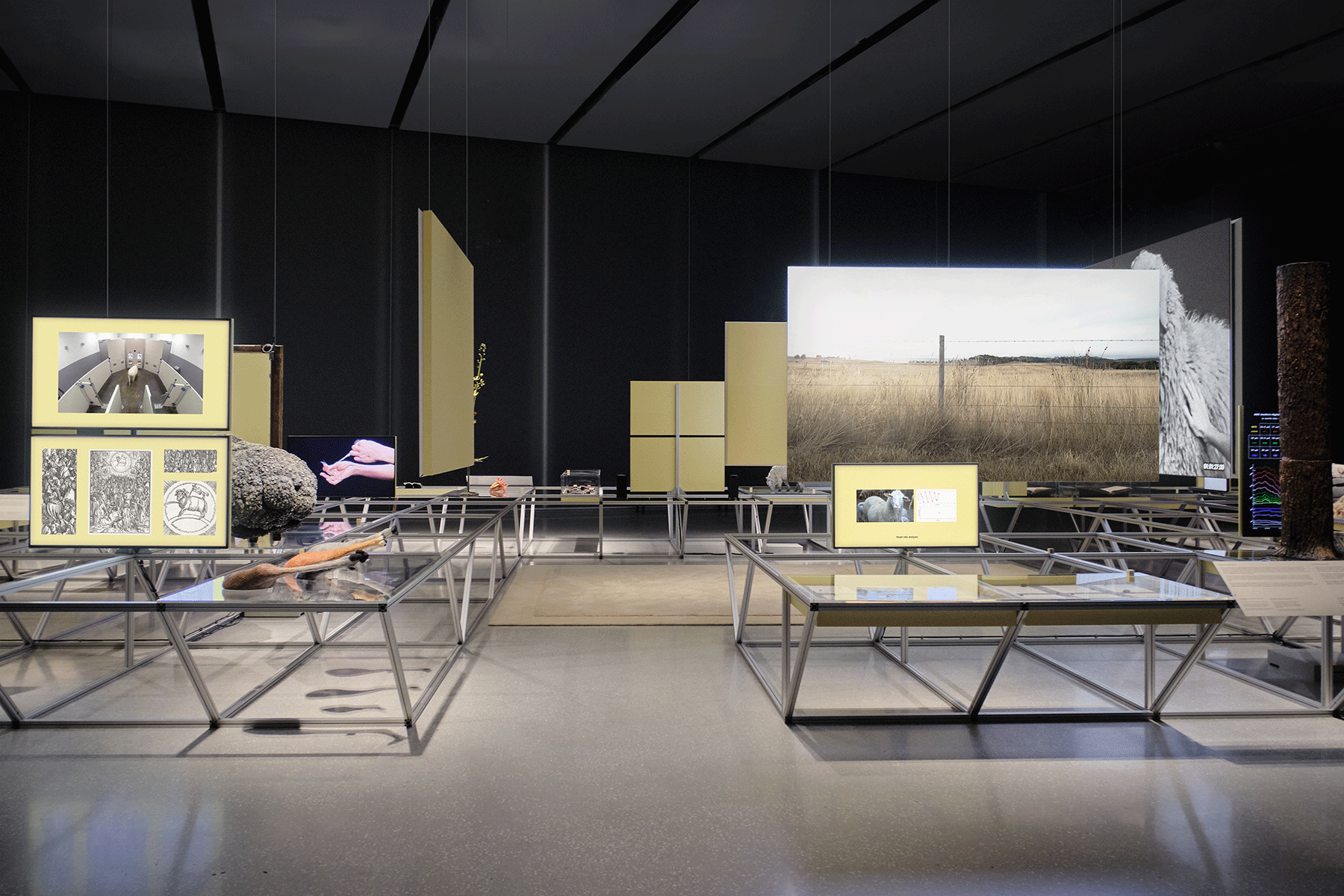
Oltre Terra | image ©Gregorio Gonella
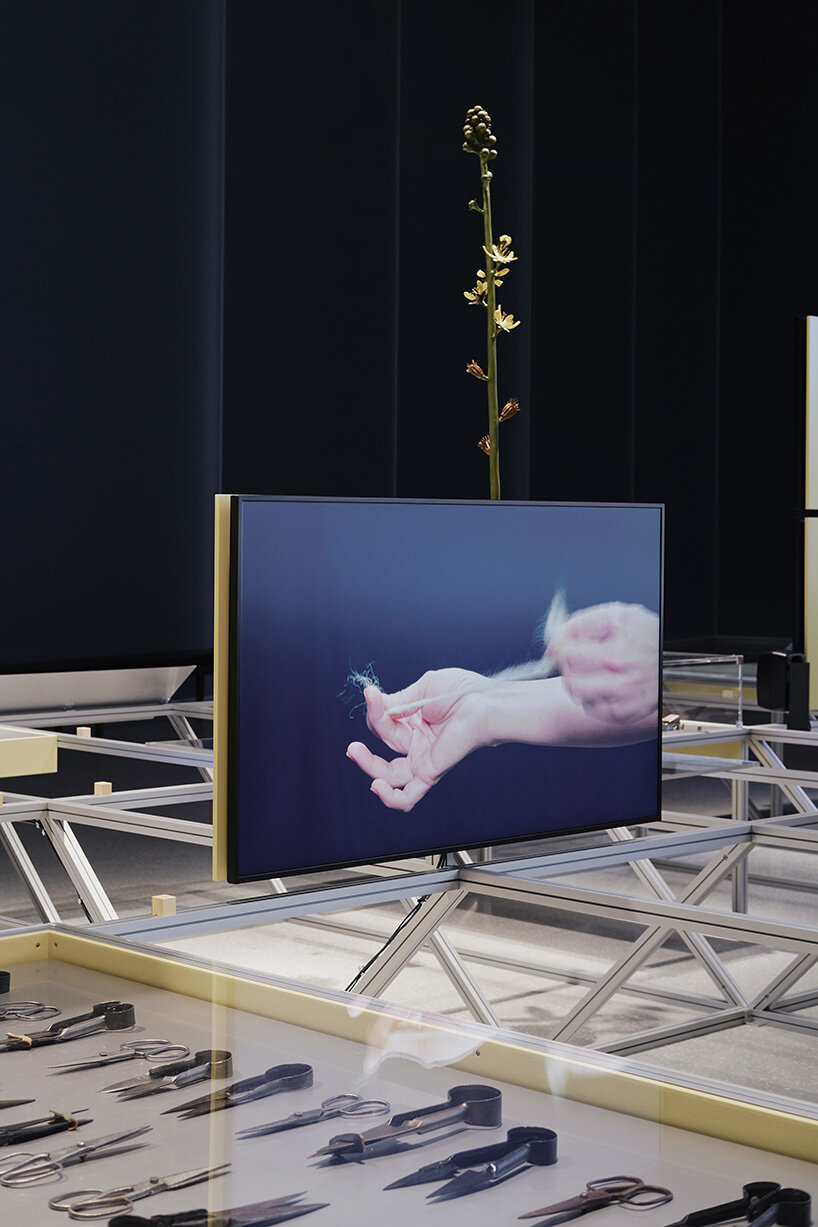
Oltre Terra | image ©Gregorio Gonella
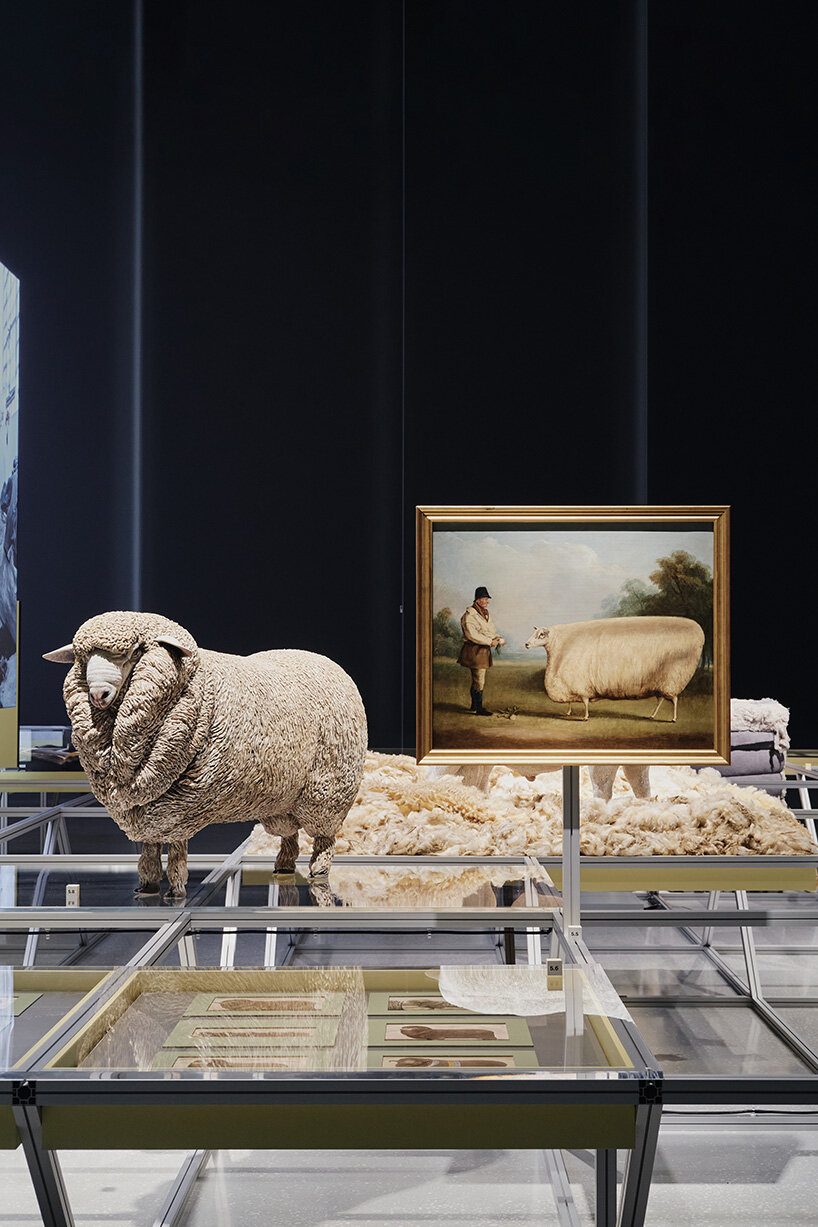
Oltre Terra | image ©Gregorio Gonella
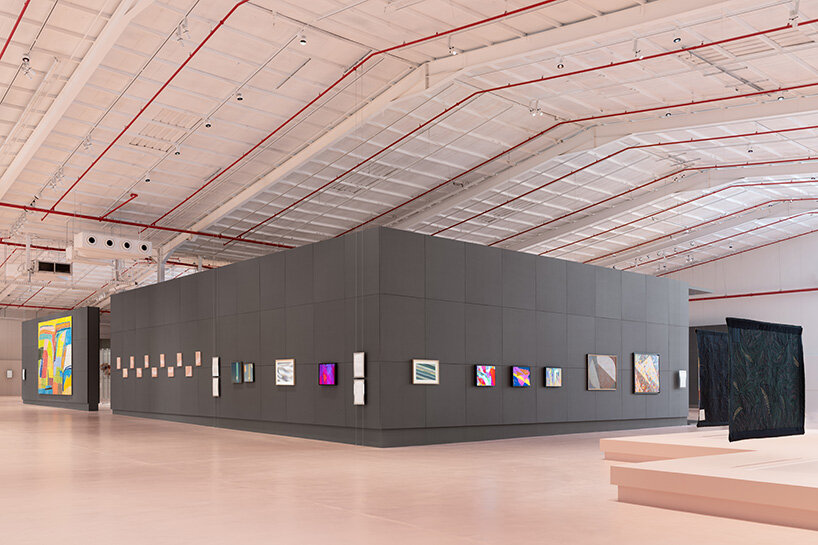
Diriyah Contemporary Art Biennale 26 | image by Marco Cappelletti e Giuseppe Miotto / Marco Cappelletti studio, courtesy of Diriyah Biennale Foundation
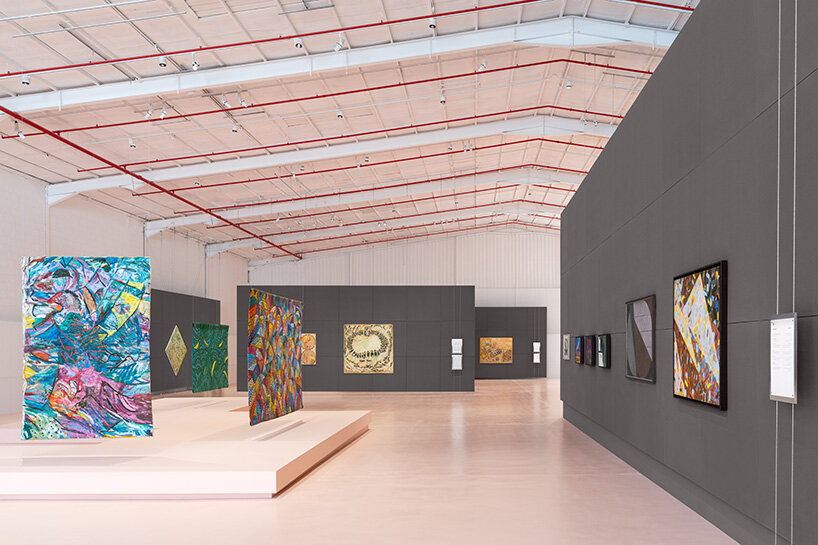
Diriyah Contemporary Art Biennale 26 | image by Marco Cappelletti e Giuseppe Miotto / Marco Cappelletti studio, courtesy of Diriyah Biennale Foundation
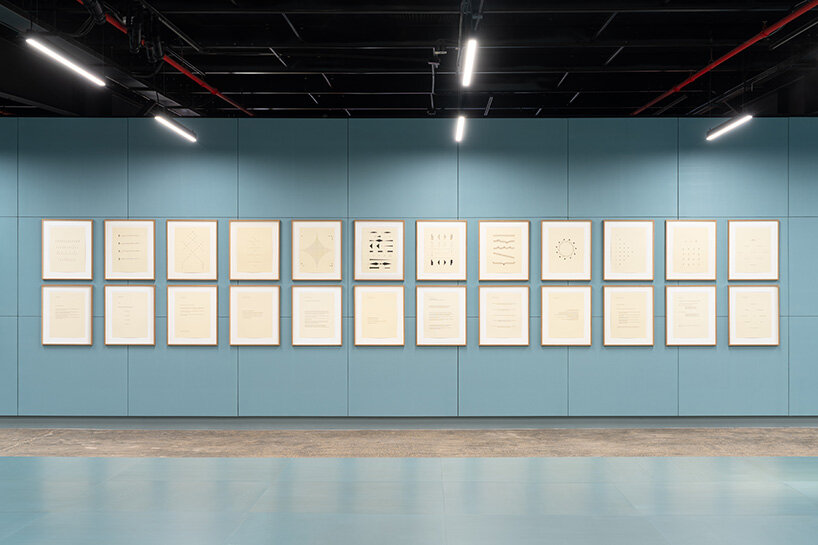
Diriyah Contemporary Art Biennale 26 | image by Marco Cappelletti e Giuseppe Miotto / Marco Cappelletti studio, courtesy of Diriyah Biennale Foundation
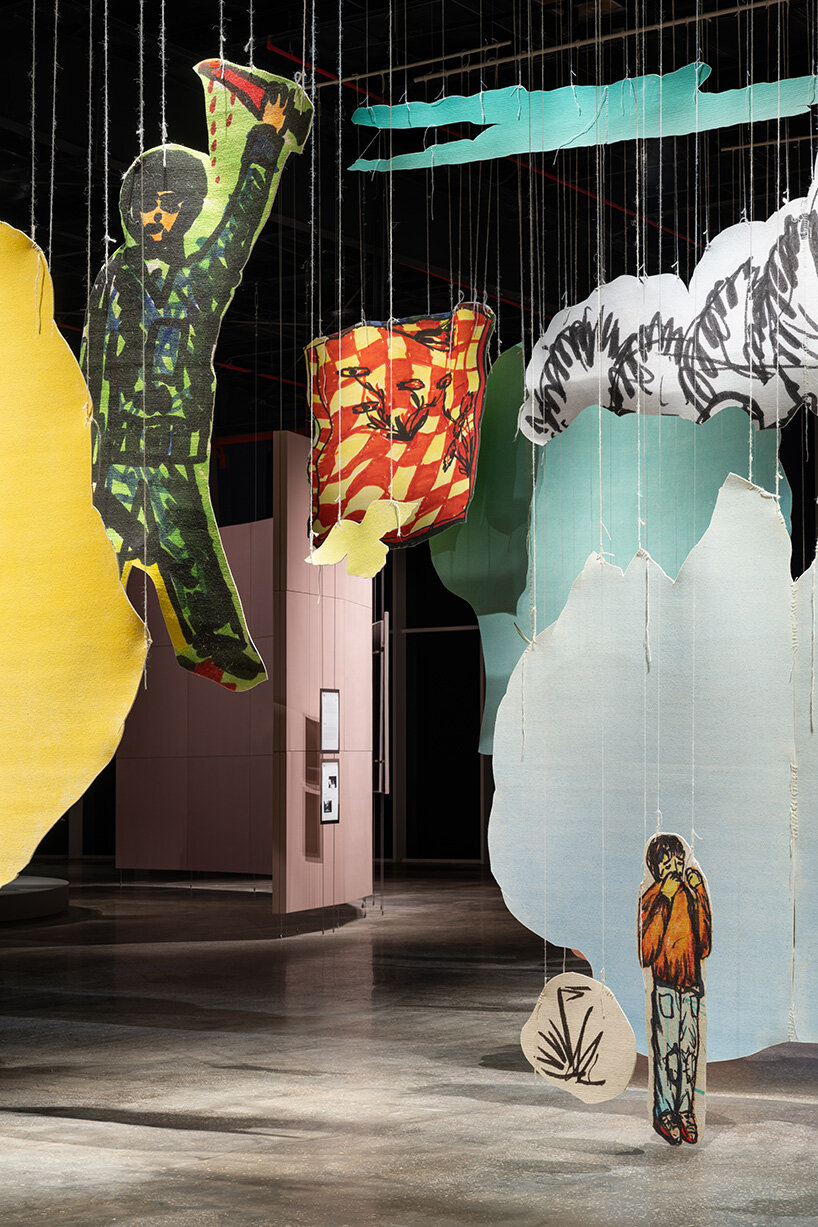
Diriyah Contemporary Art Biennale 26 | image by Marco Cappelletti e Giuseppe Miotto / Marco Cappelletti studio, courtesy of Diriyah Biennale Foundation
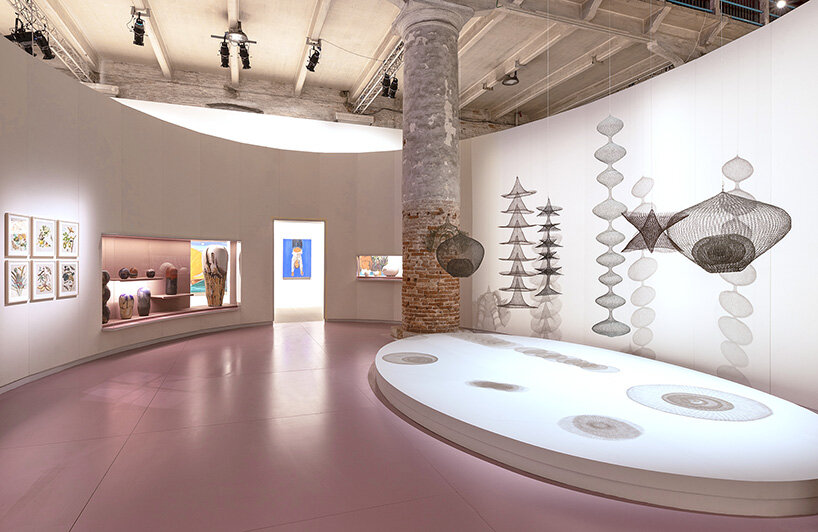
Biennale Arte 2022 – The Milk of Dreams | image by Roberto Marossi
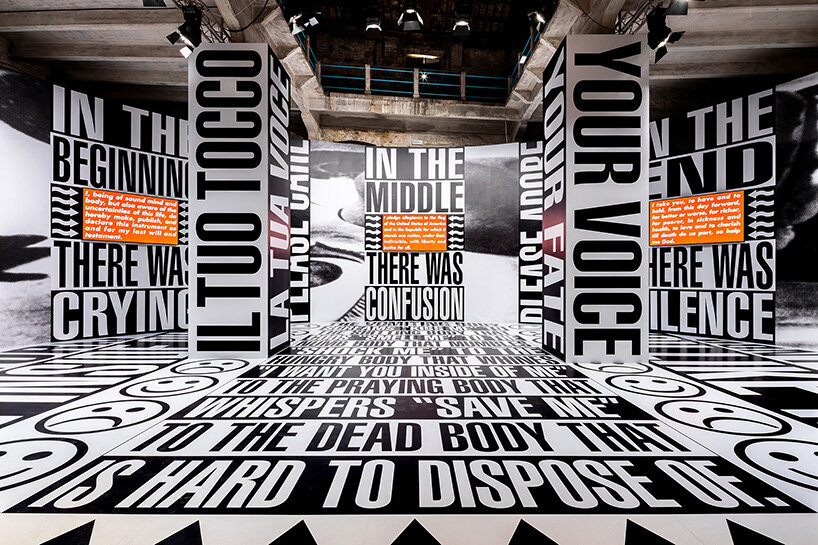
Biennale Arte 2022 – The Milk of Dreams | image by Roberto Marossi
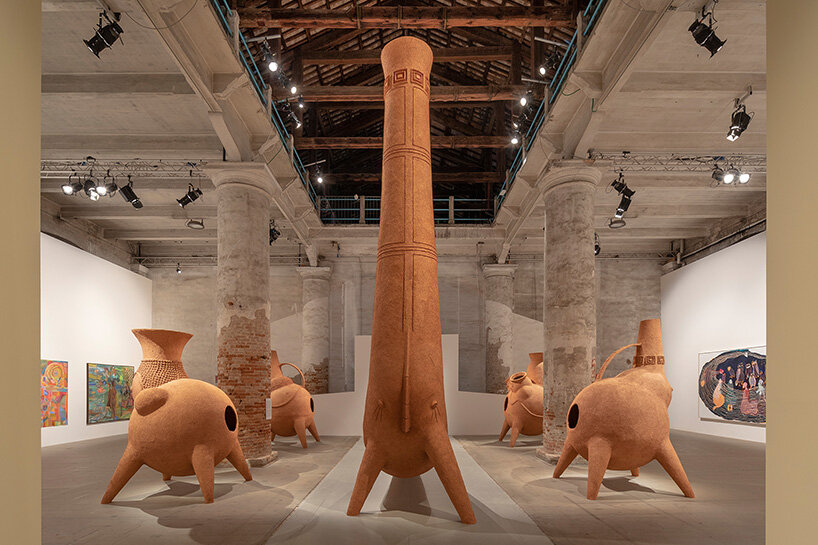
Biennale Arte 2022 – The Milk of Dreams | image by Roberto Marossi
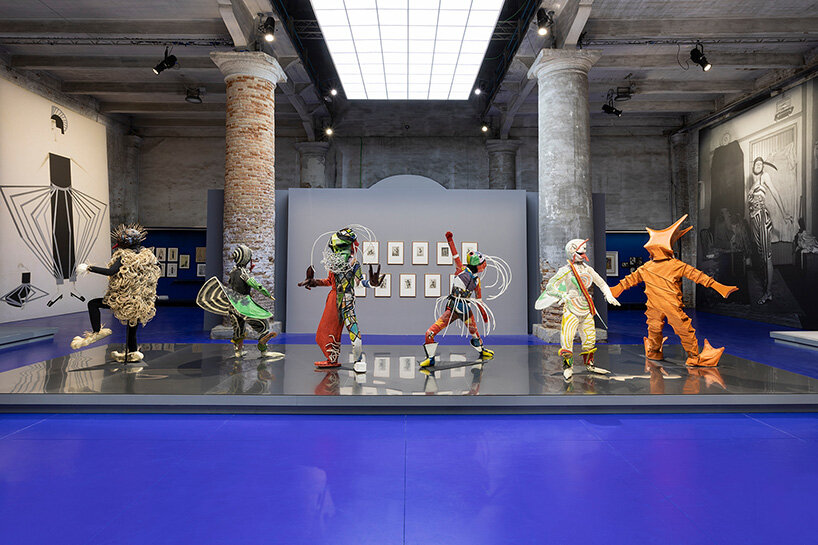
image by Roberto Marossi
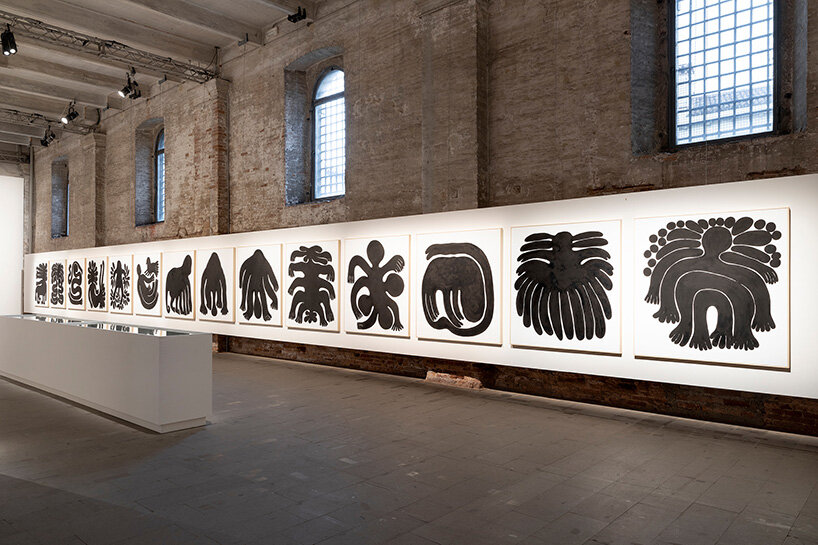
Biennale Arte 2022 – The Milk of Dreams | image by Roberto Marossi
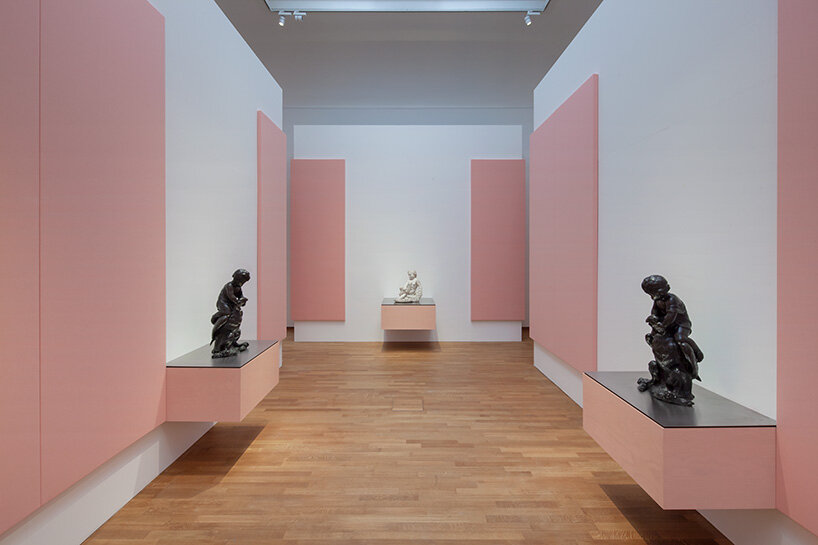
Caravaggio Bernini – Rijksmuseum | image by Eddo Hartmann
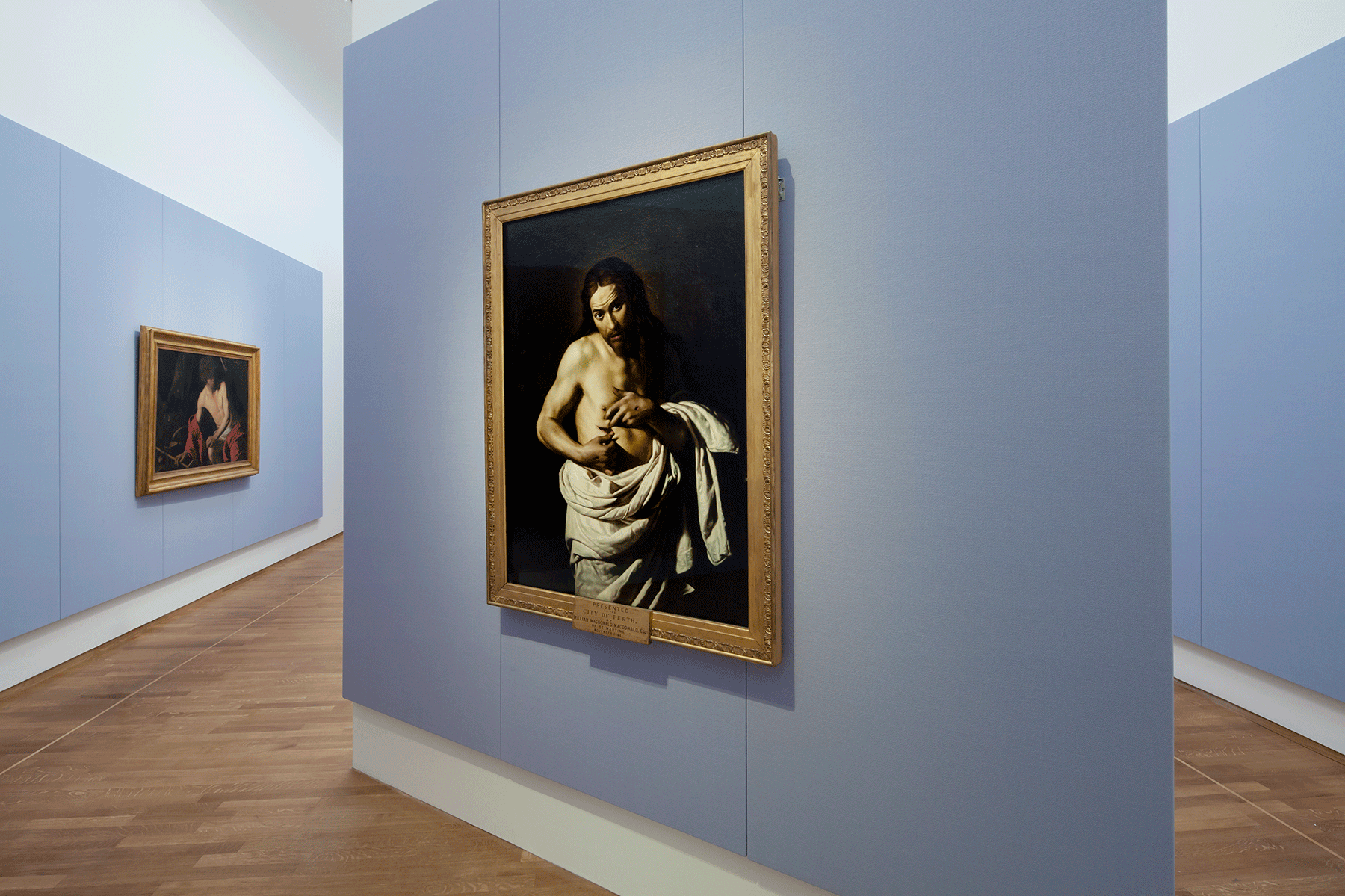
Caravaggio Bernini – Rijksmuseum | image by Eddo Hartmann
This interview is part of designboom’s SPECTATOR AND SPECTACLE chapter, asking how wonder gets built, presented in partnership with SolidNature, and how it might return some mystery to a world that has measured most of it away. Discover more stories that turn onlookers into participants, alter perception and disrupt the everyday here.