Cuberto Unveils Magma Web Design & Interactive 3D UI
Explore the Magma web design by Cuberto, pairing Jost typography and #0F4BFD cobalt screens with Blender GLTF 3D building twins and GSAP.
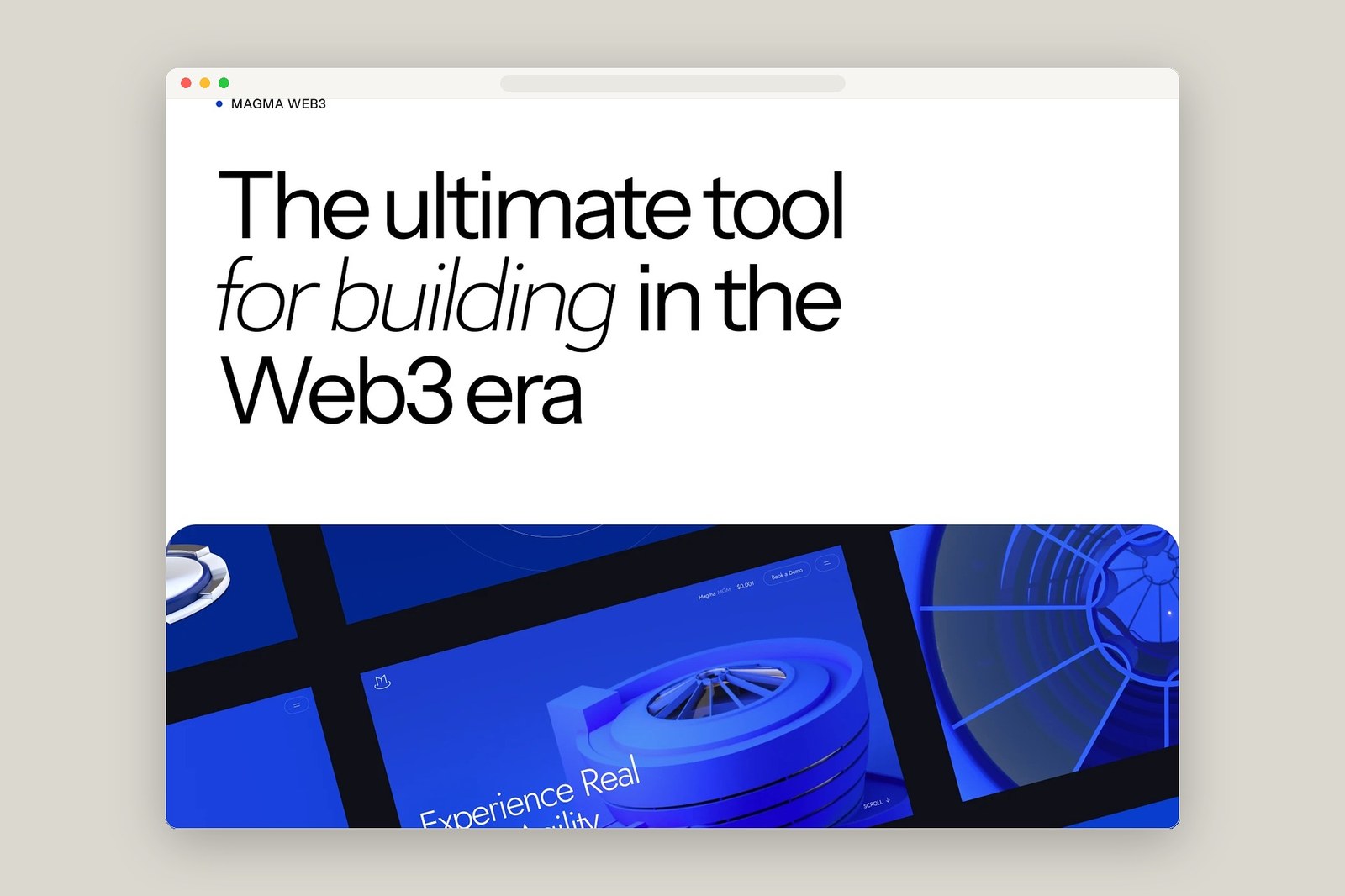
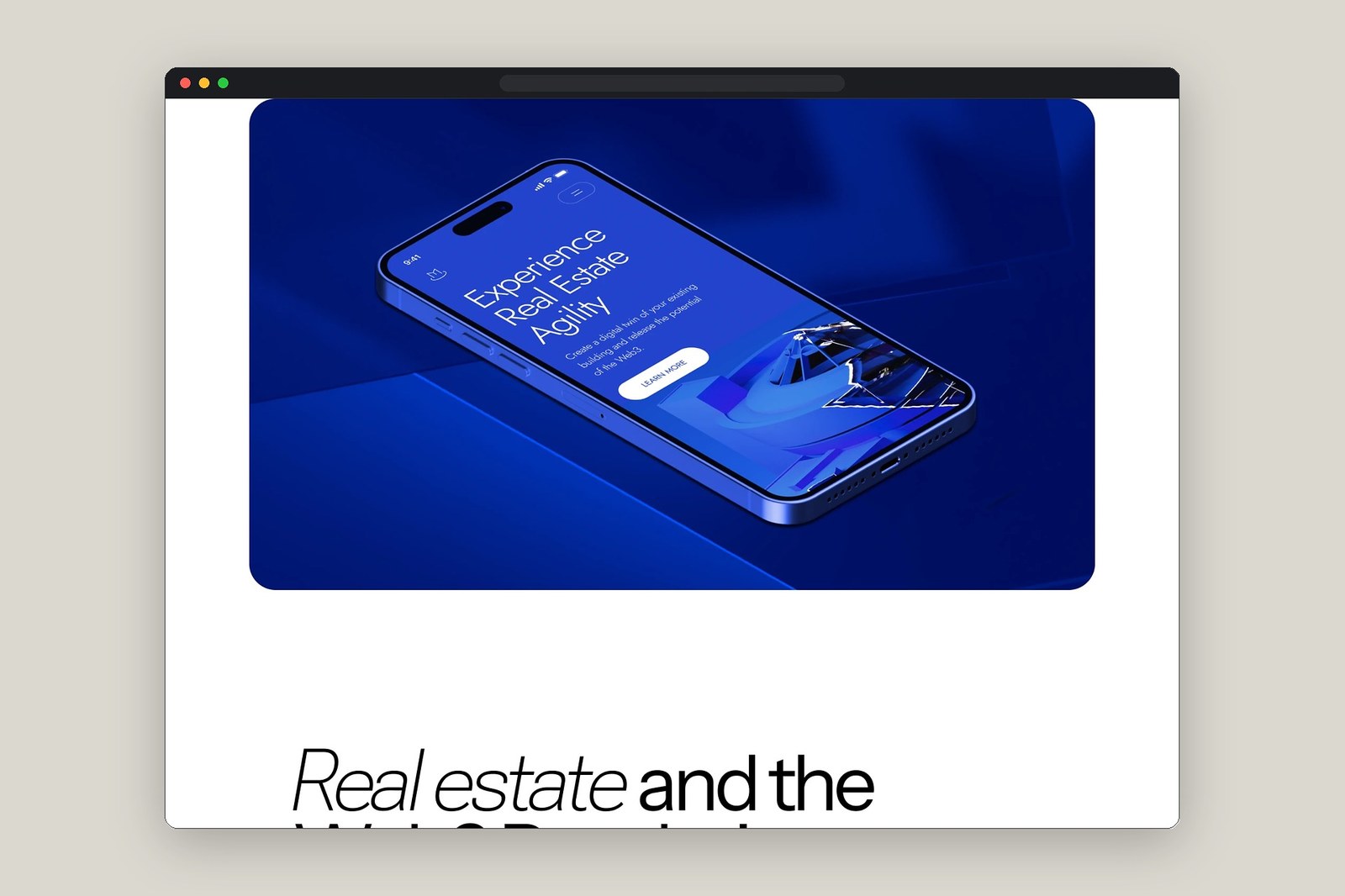
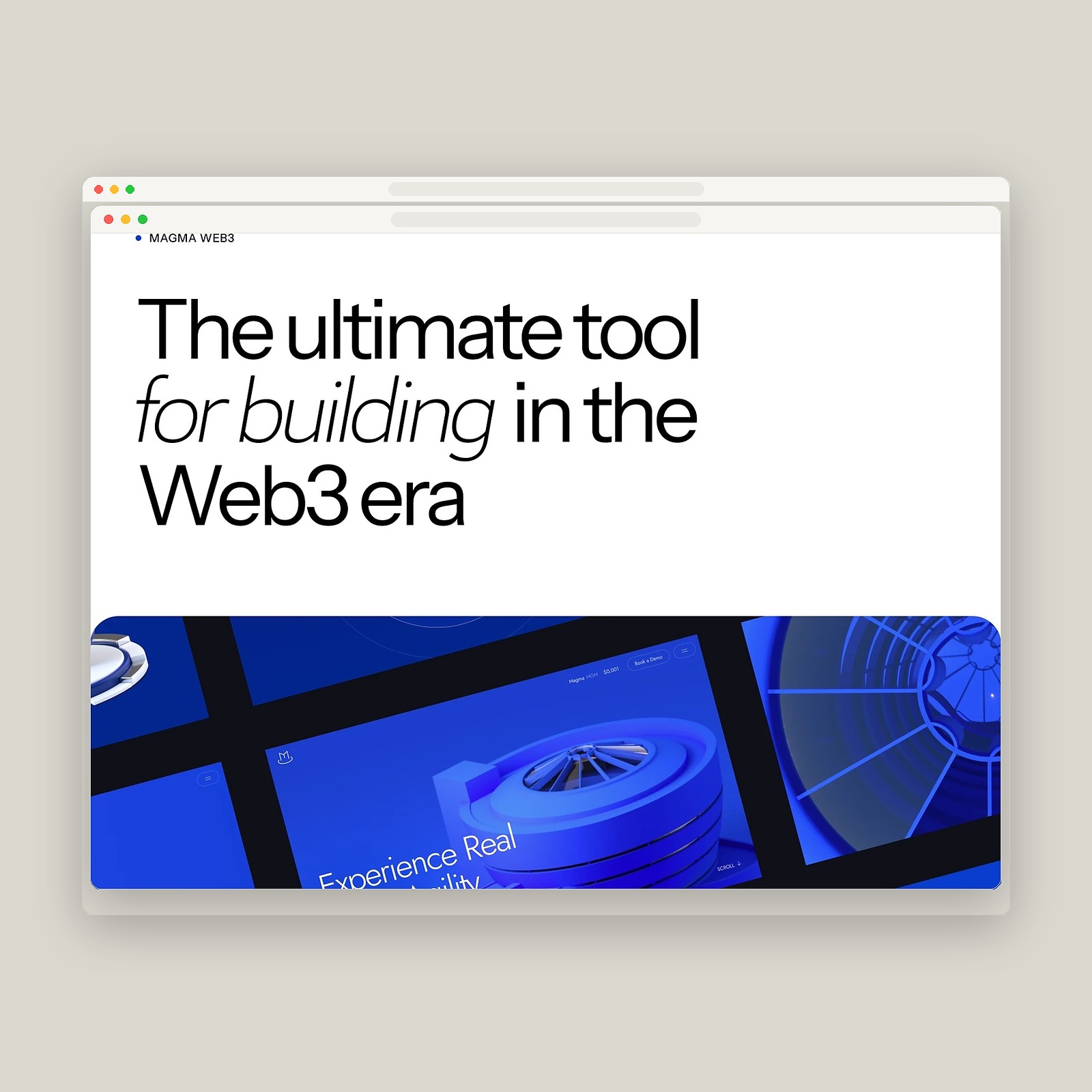
Real estate platforms almost always look like spreadsheet software. Cuberto threw that playbook out for Magma. Tasked with rebranding the Web3 property platform and explaining tokenized digital twins to building owners, asset managers, and property operators, the Alexandria-based team built an interface where architecture moves in real time. The hero viewport opens on a sculpted cylindrical museum model set against an electric royal blue canvas, flanked by a live Magma MGM $0.001 token ticker and a clean pill CTA reading "Experience Real Estate Agility." That restraint pays off immediately. Every scroll step rotates or dissects the structure to show how physical buildings convert into verified digital assets.
Web Design Built on Blender and GSAP
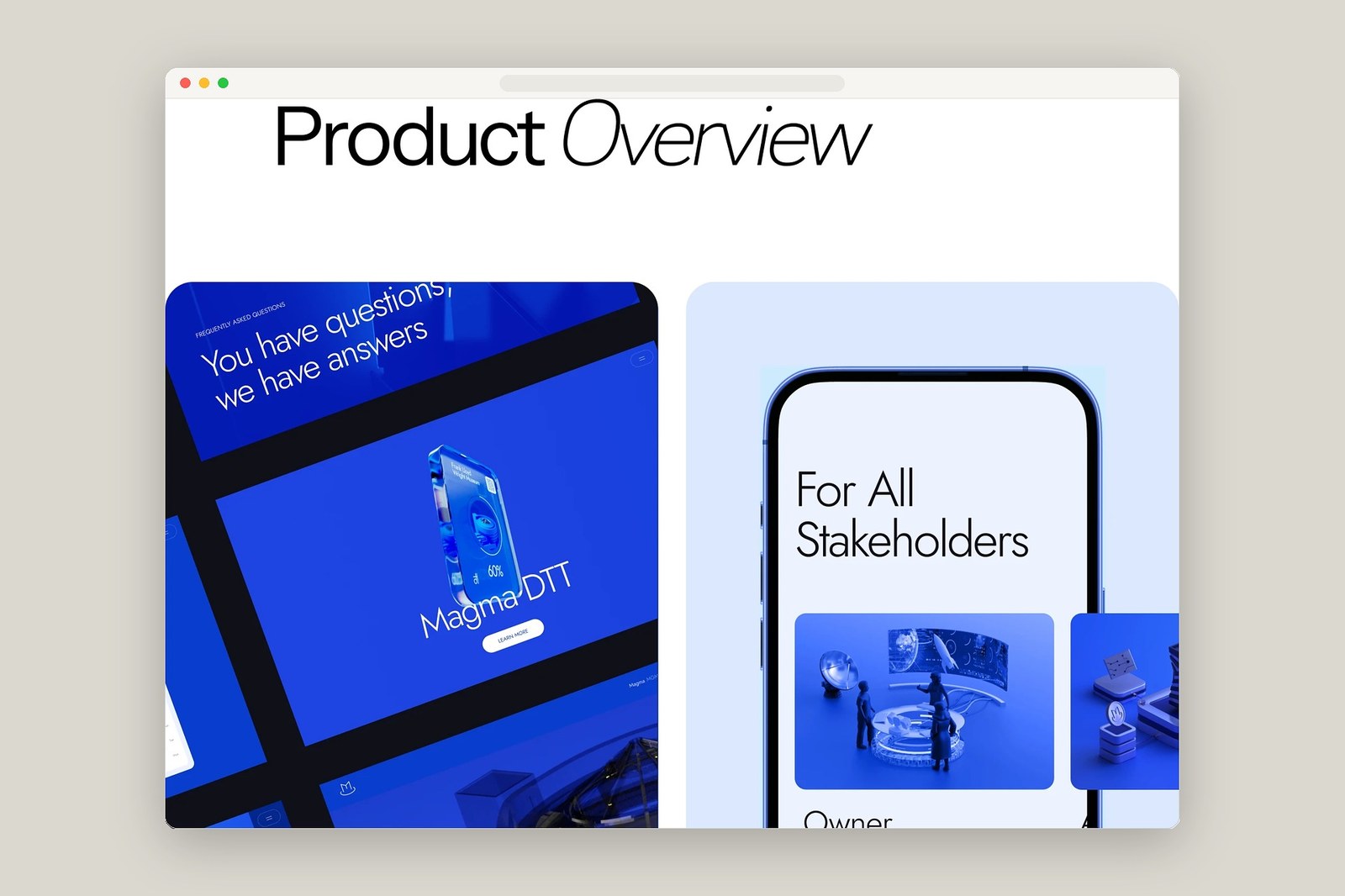
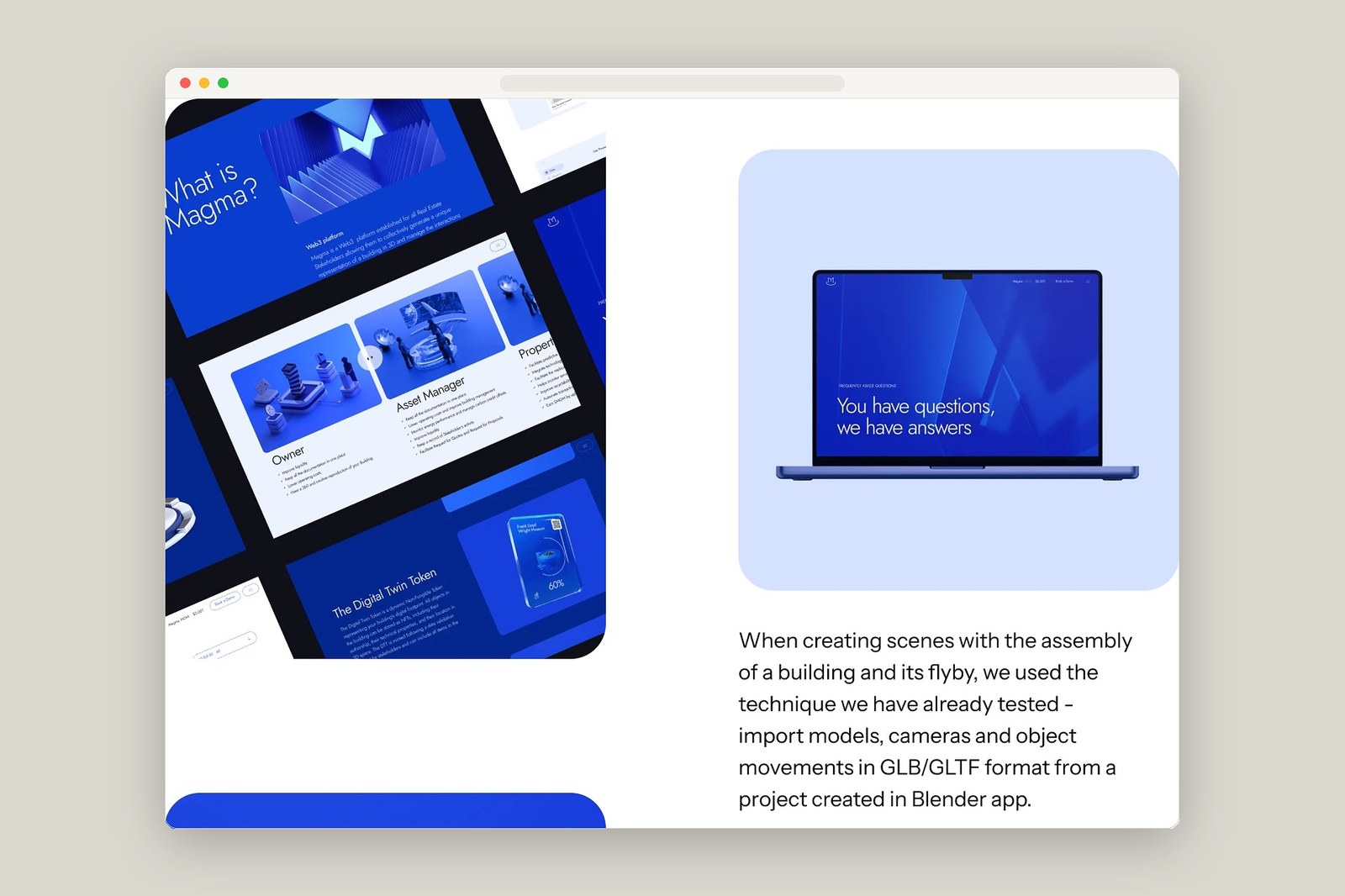
The motion pipeline does the heavy lifting here. Cuberto exported full building assemblies, camera paths, and object trajectories in GLB and GLTF formats directly from Blender, then wired them to their internal Bona framework alongside GSAP, ScrollTrigger, and SmoothScroll. It doesn't lag or stutter. As users scrub down the page, wireframes snap into solid architectural volumes while custom Lottie animations illustrate multi-party stakeholder validation around a holographic table. A dedicated Magma DTT card even breaks down a 60% tokenized Frank Lloyd Wright Museum twin, showing how blockchain smart contracts handle lease agreements, maintenance logs, and service proposals in one place.
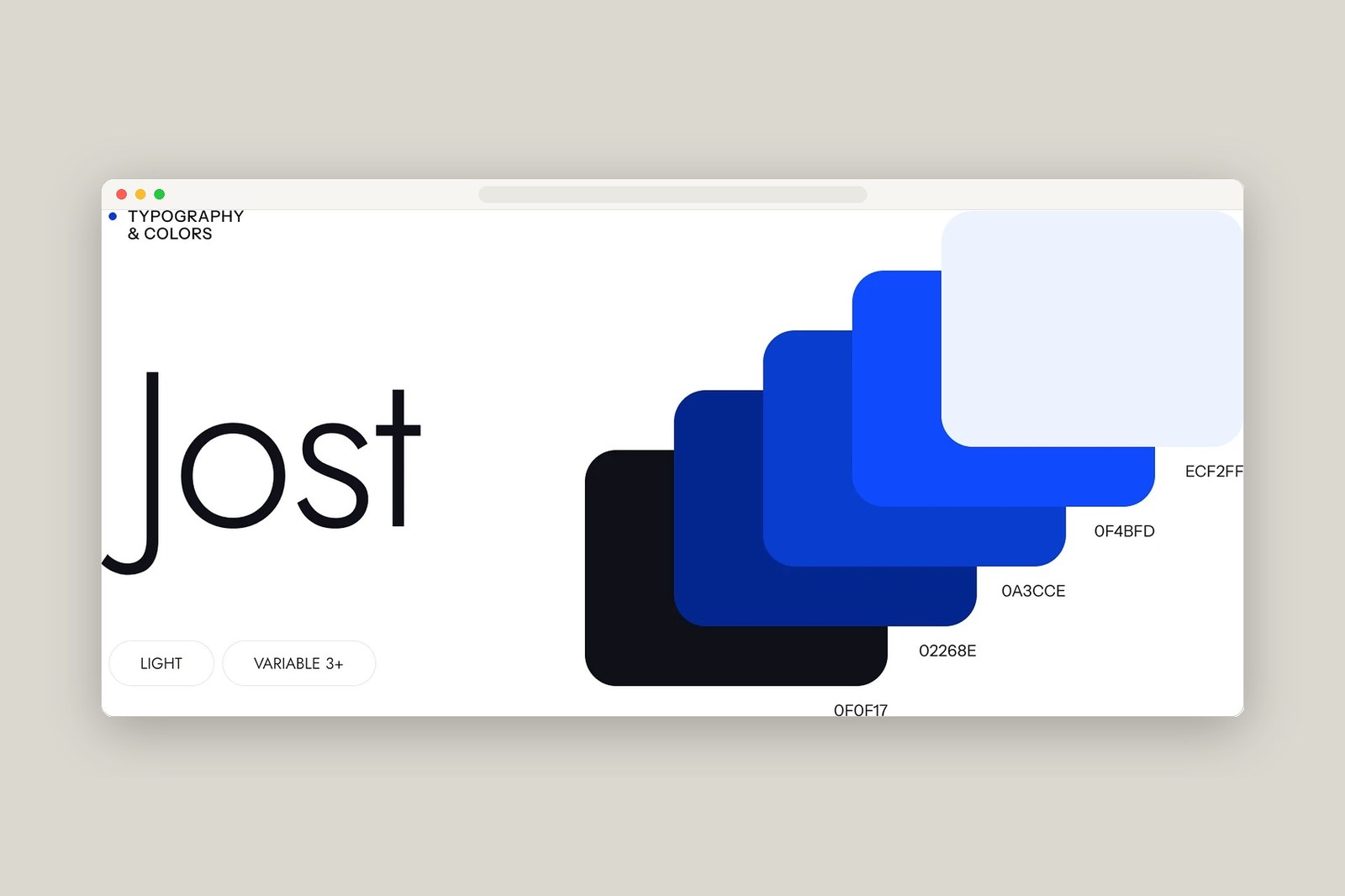
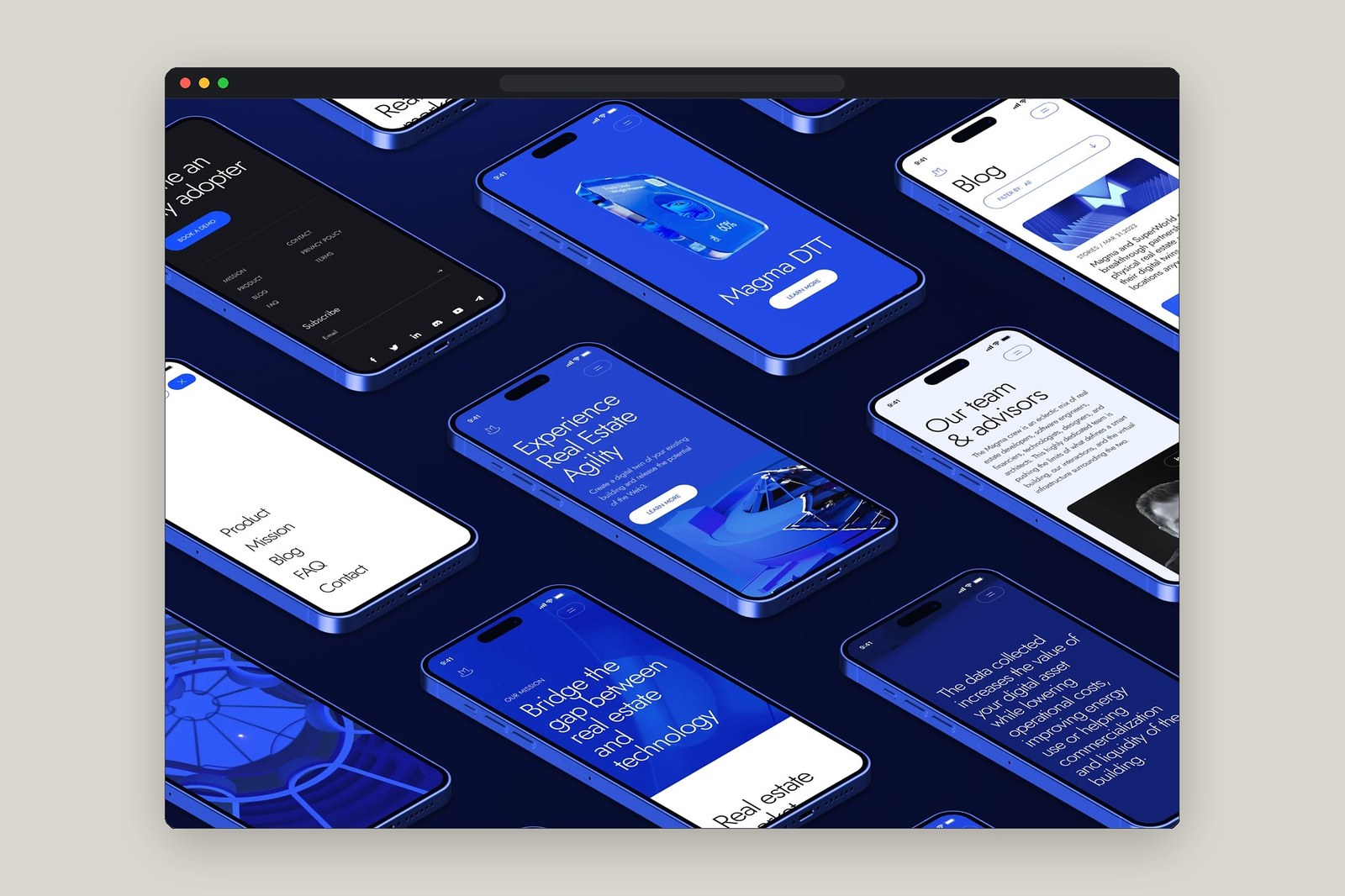
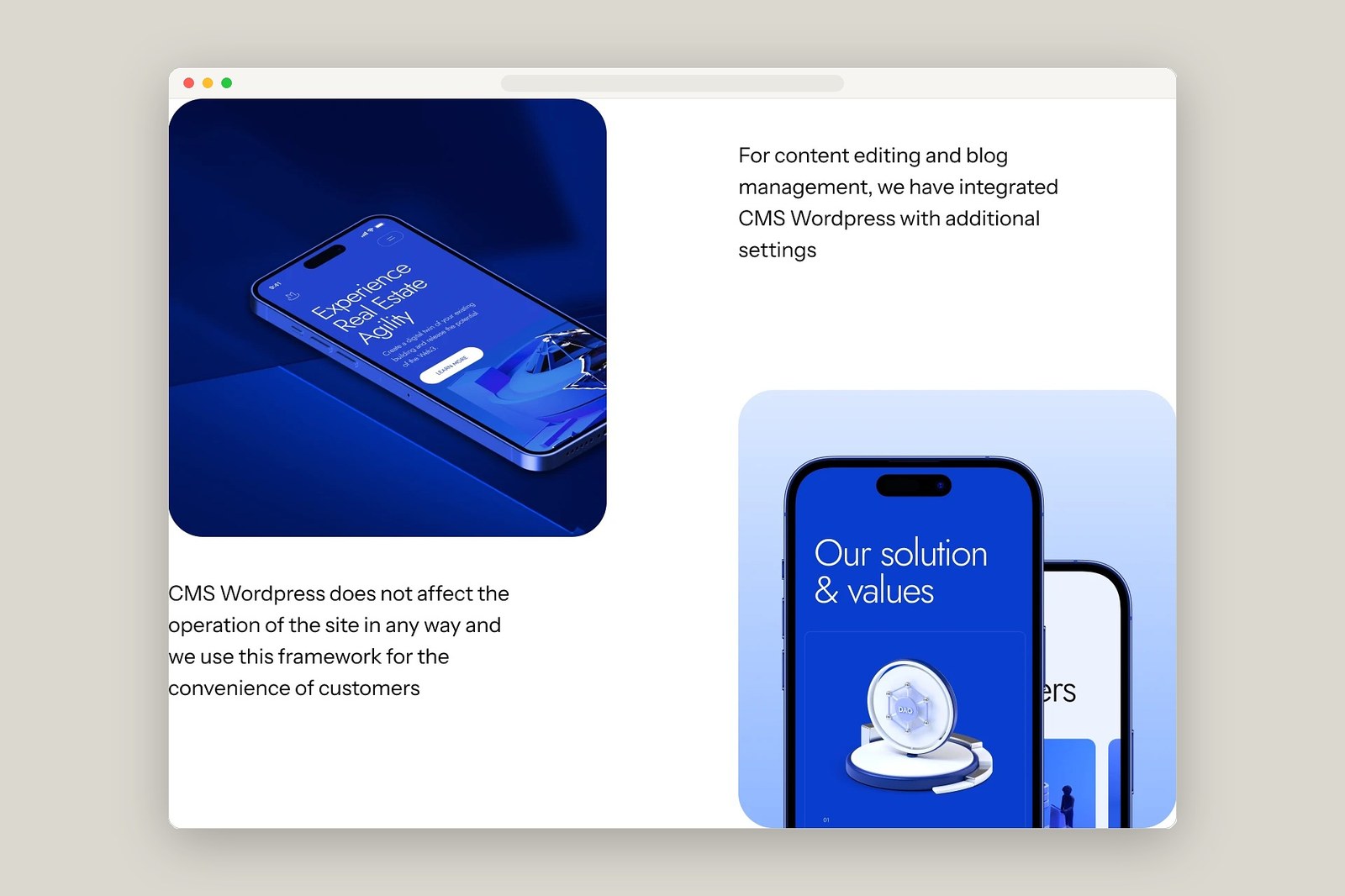
Nothing in the grid feels forced. Type is set exclusively in Jost — pairing razor-thin Light headlines with italic accents and Variable 3+ body copy across five stepped color values from deep obsidian (#0F0F17) and navy (#02268E) through cobalt (#0A3CCE and #0F4BFD) to ice blue (#ECF2FF). The refined M monogram sits inside an orbital ring and doubles as a 3D architectural corridor and minted token emblem. Layouts scale cleanly across 1920px desktop monitors, 768px tablets, and 375px mobile screens in Figma, while a custom WordPress control panel handles blog publishing behind the scenes without touching front-end web design performance.
See the full project by Cuberto on Behance.