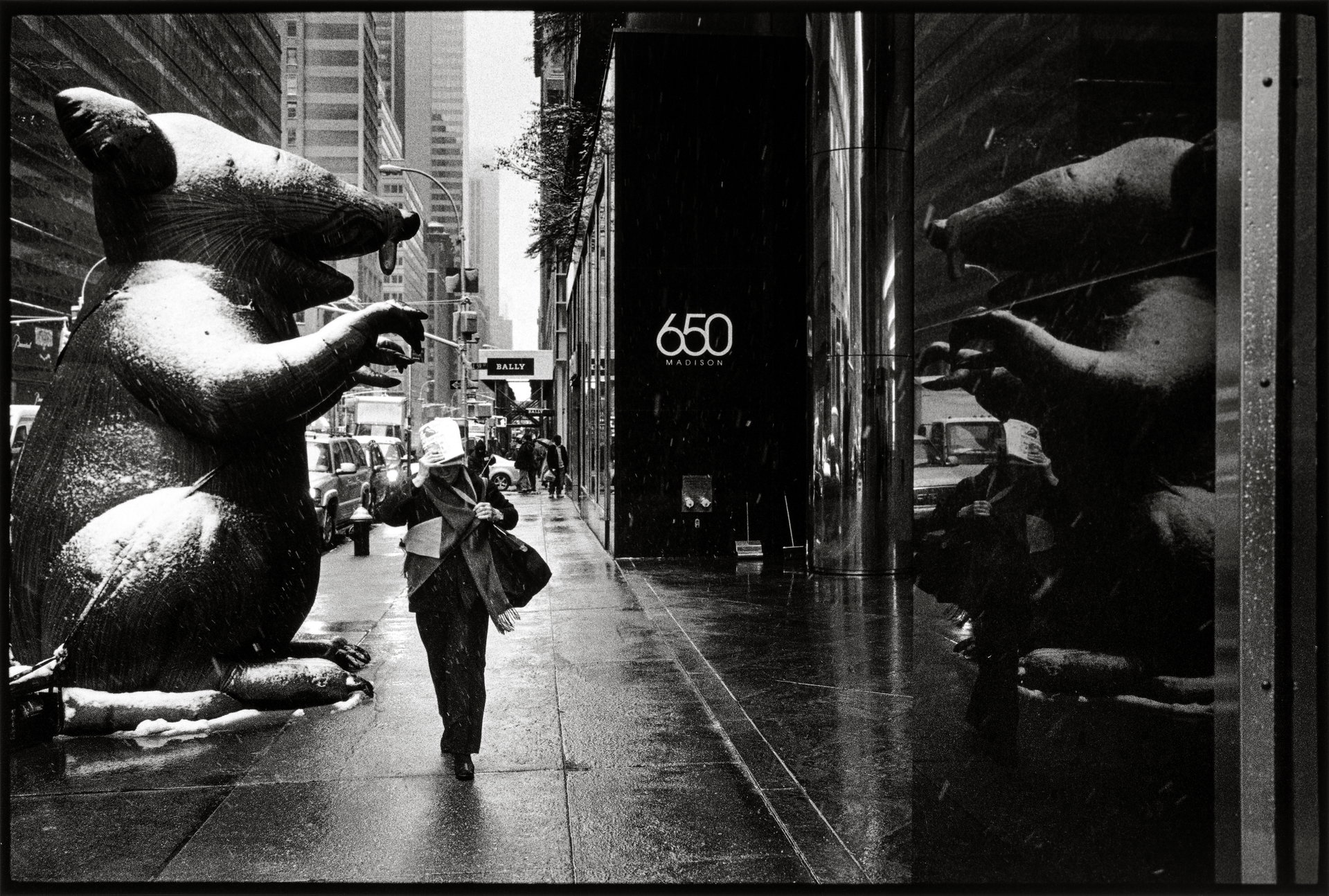
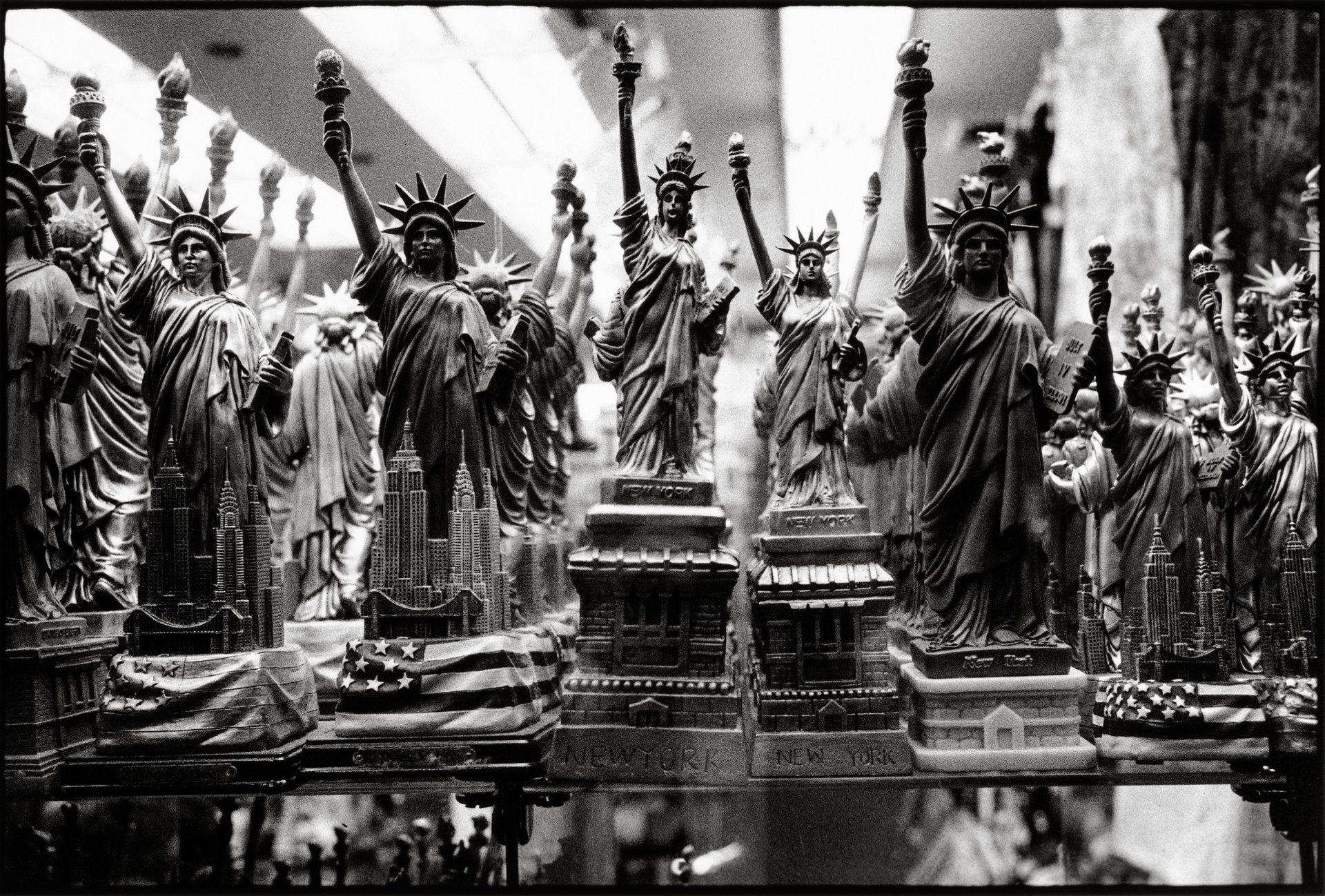
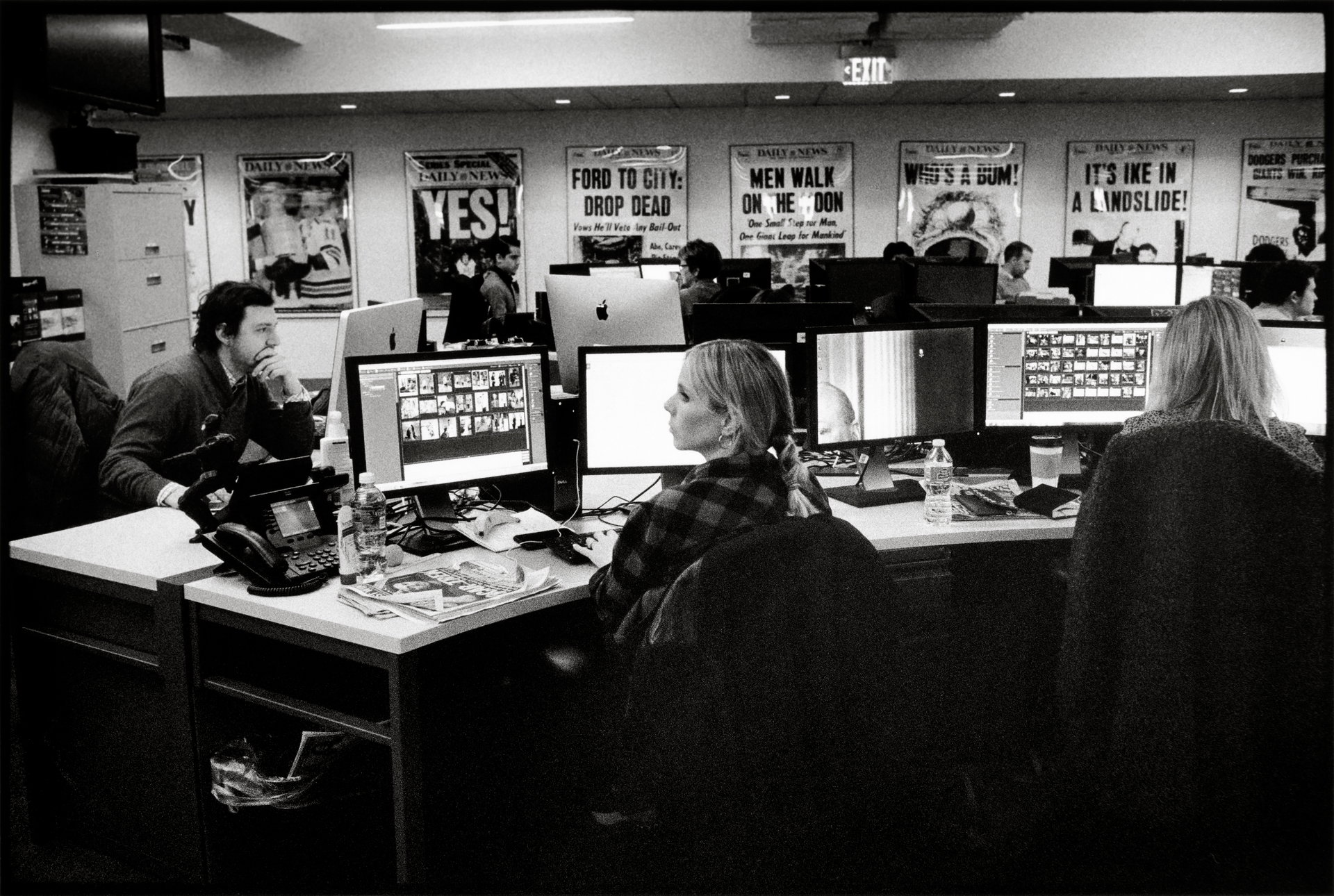
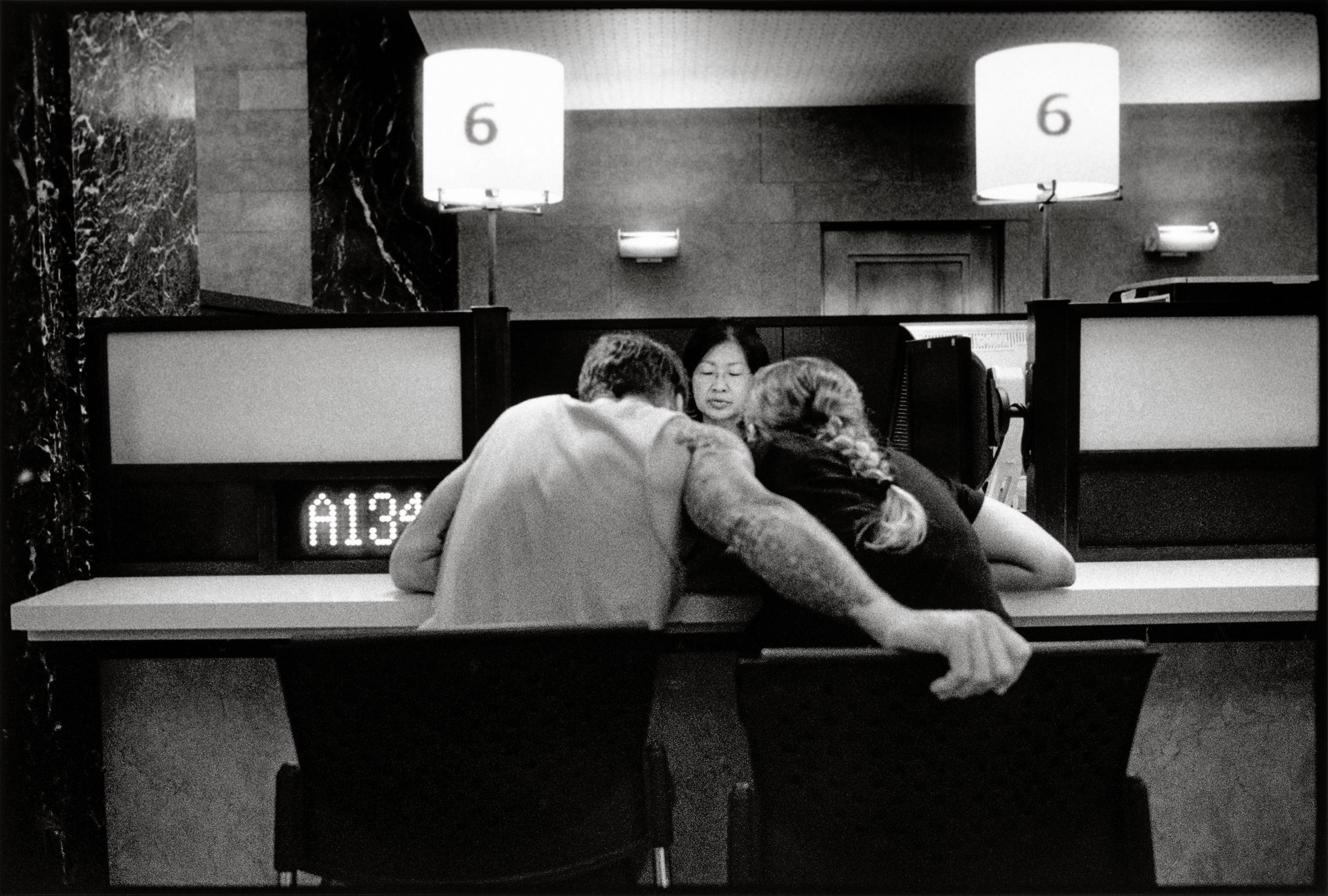
Veteran photographer William Meyers sheds a crucial light on the unseen municipalities of New York City
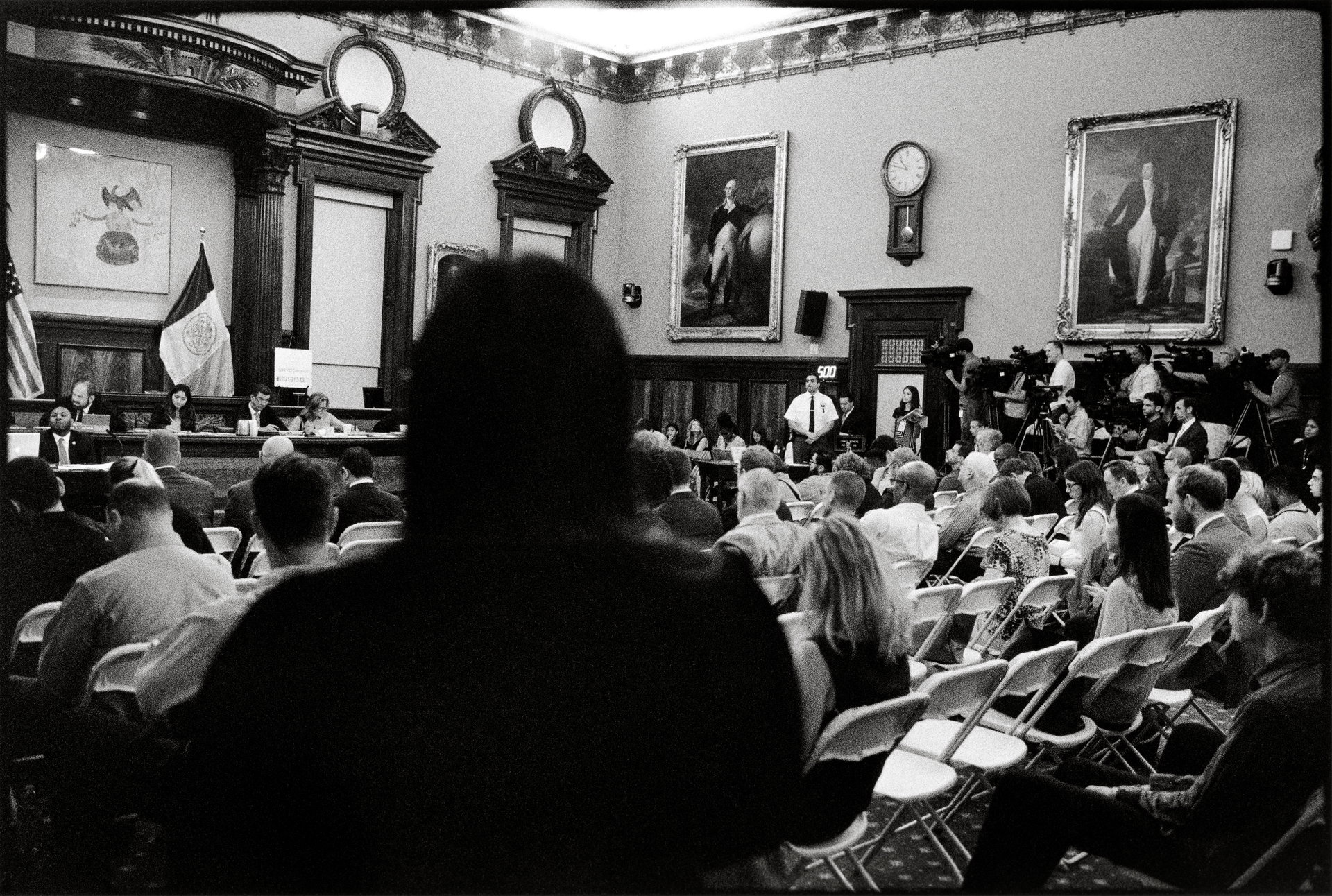
The civic school Maximum New York once said that if you don’t understand how your city works, you don’t understand how your country works – of course, all countries are made up of thousands of governmental bodies that rely on each other to work. People thrive in symbiotic relationships, so do cities, towns, counties, boroughs, municipalities. What veteran photographer William Meyers does so well in his photo book Civics (published by Apollo Publishers), which has been in the works for 25 years, is reveal exactly how civic engagement works and looks, peering into rooms that most people never step foot inside, with an empathetic lens and an approach that only a seasoned photographer could achieve.
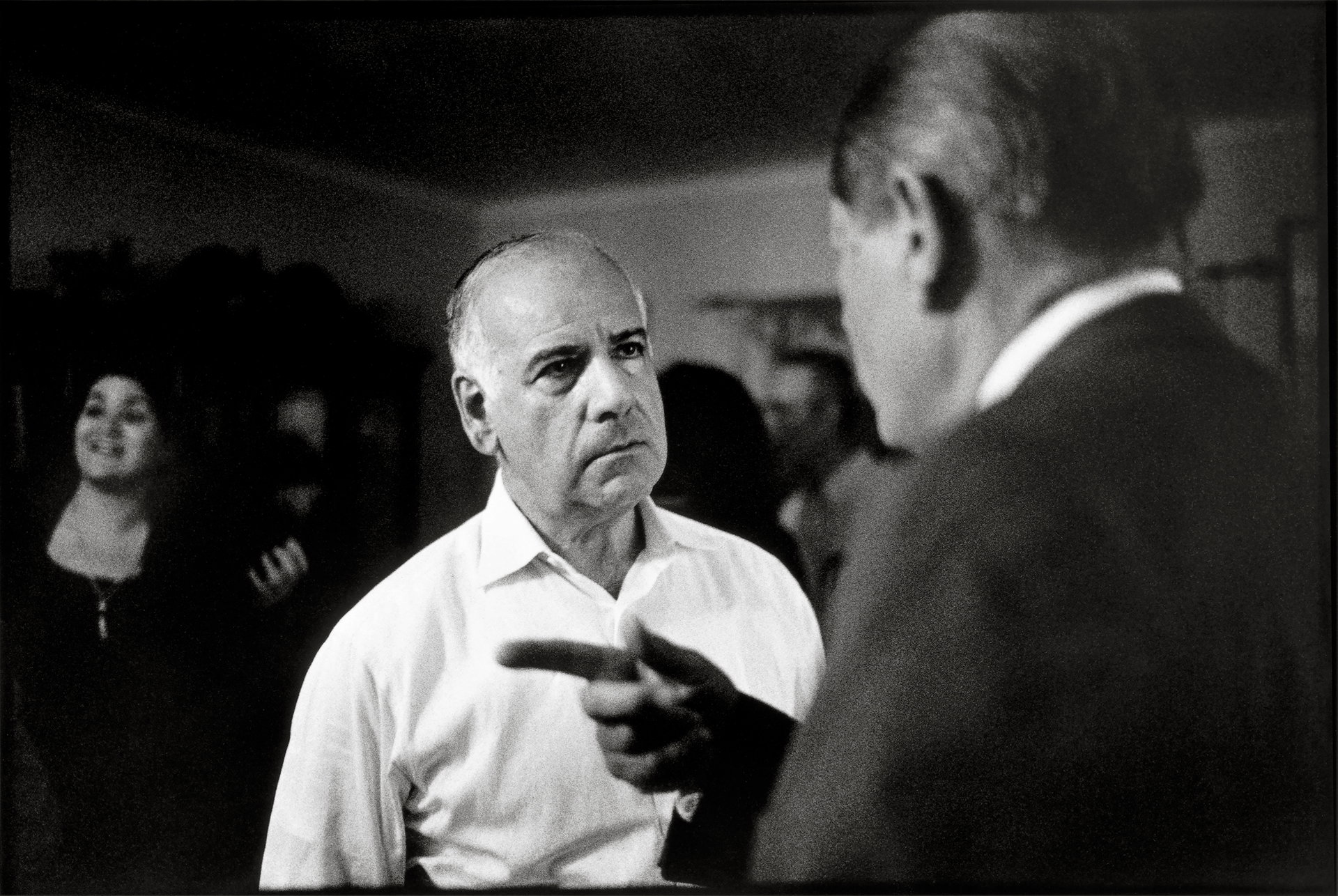
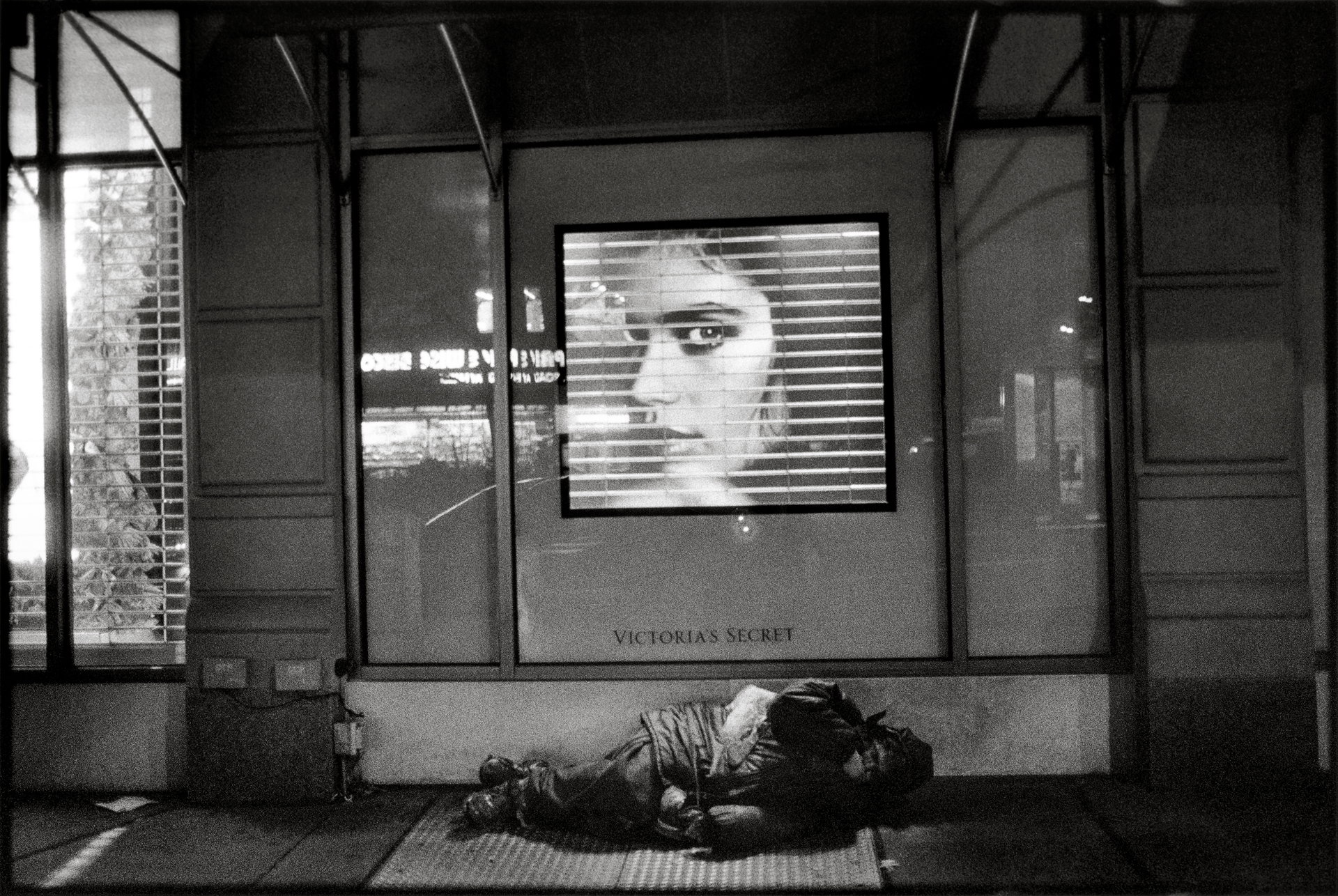
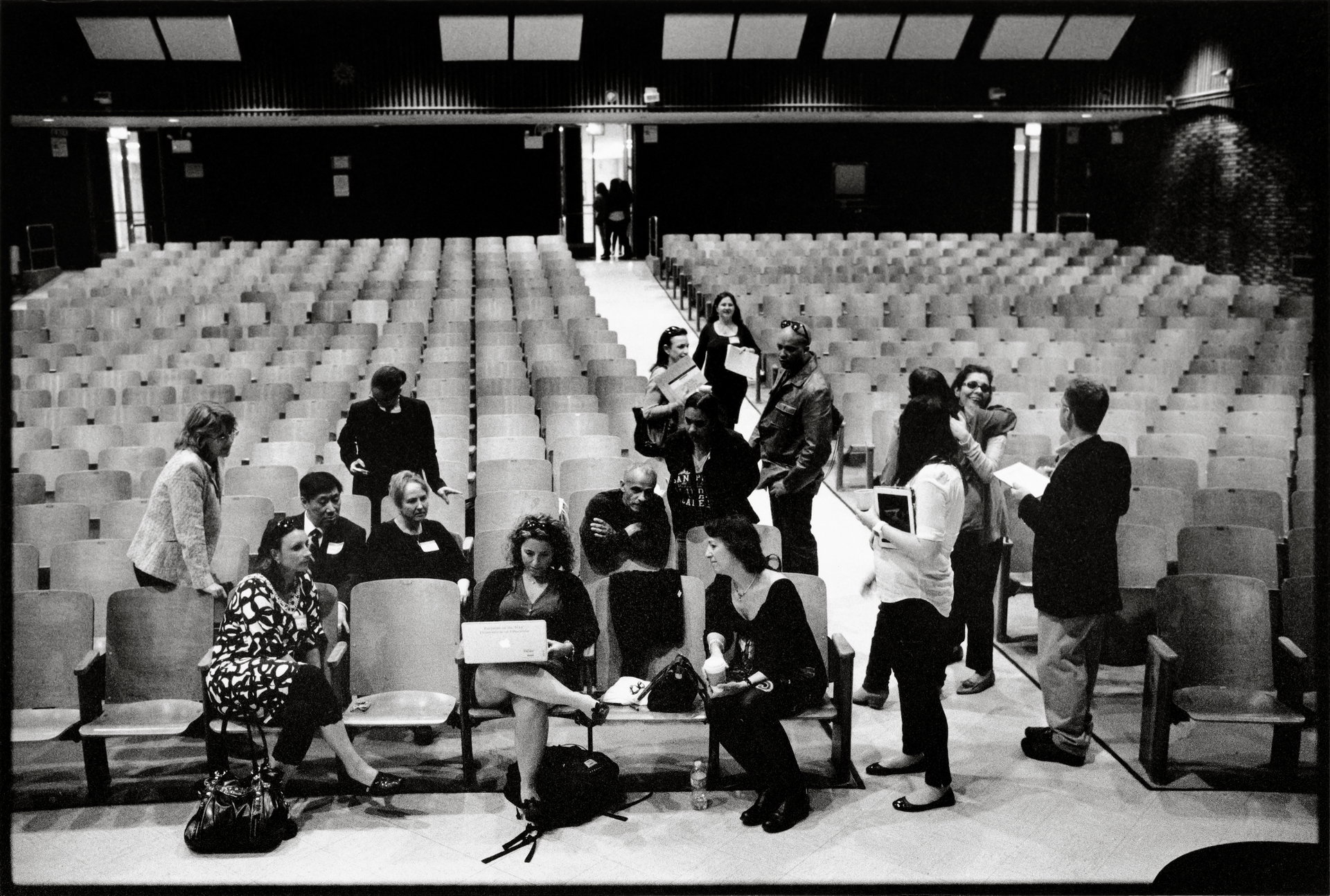
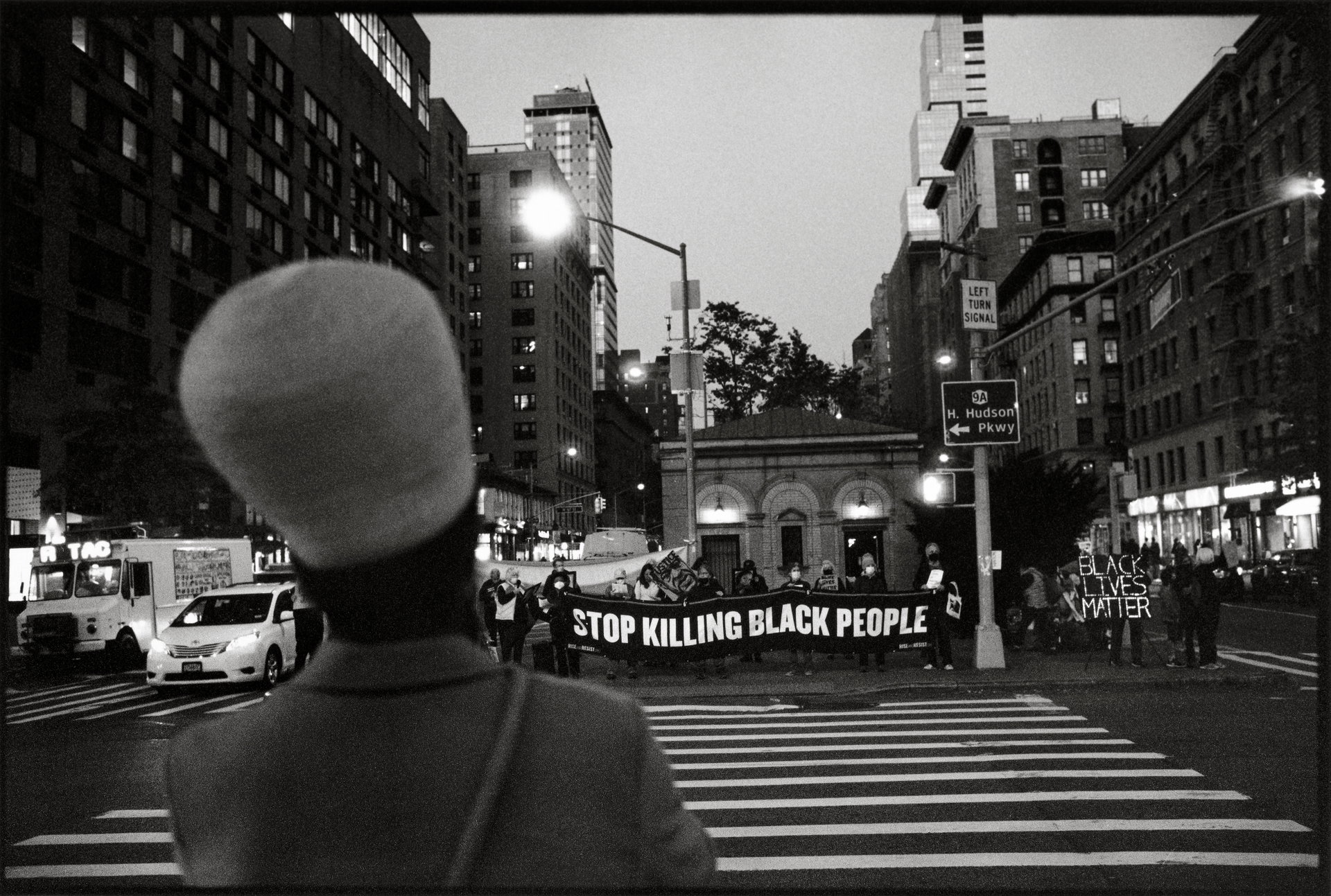
Civics is about New York City at large, but it’s also about the unseen elements that make up the iconic city. “The book is about civics at retail. We know what the mayor looks like, and the other major political figures; there is no need for me to reiterate what other photographers do,” says William. “I concentrated on the people who lose elections but are indispensable to the democratic process, on the bureaucrats who are usually unseen and on the involvement of ordinary citizens which is also necessary.” With over a third of people in NYC born elsewhere, with what William describes as “little notion of the city’s history and government”, very few participate in elections, therefore “politics in New York tends to be static,” he tells Amsterdam News. What the viewer sees is the tiny moving parts for a city that is always in a state of political turbulence, but not actually moving anywhere new fast. Rather, William’s book shows that change happens over decades, rising and converging into major events such as the Black Lives Matter protests or Occupy Wall Street.
William, who was born in 1938, has been taking pictures since he was ten, but only became professionally involved in photography when he was around 60. Before then, he was a Naval Air Intelligence officer which involved him in the Cuban Missile Crisis – he flunked out of Georgetown University Law School, he was a staff member of the Senate SubCommittee on Employment, Manpower and Poverty which investigated the failure of the Office of Economic Opportunity to win the War on Poverty. What else? He was involved in the car wash, parking and gasoline businesses, invested in biotechnology and he doesn’t neglect to mention he has “made a lot of money and lost a lot of money”. It goes without saying: William, in his long life, has really lived it to its fullest, so when he turned to photography (at first, writing about photography for New York Sun and Wall Street Journal) he brought his own history along with him.
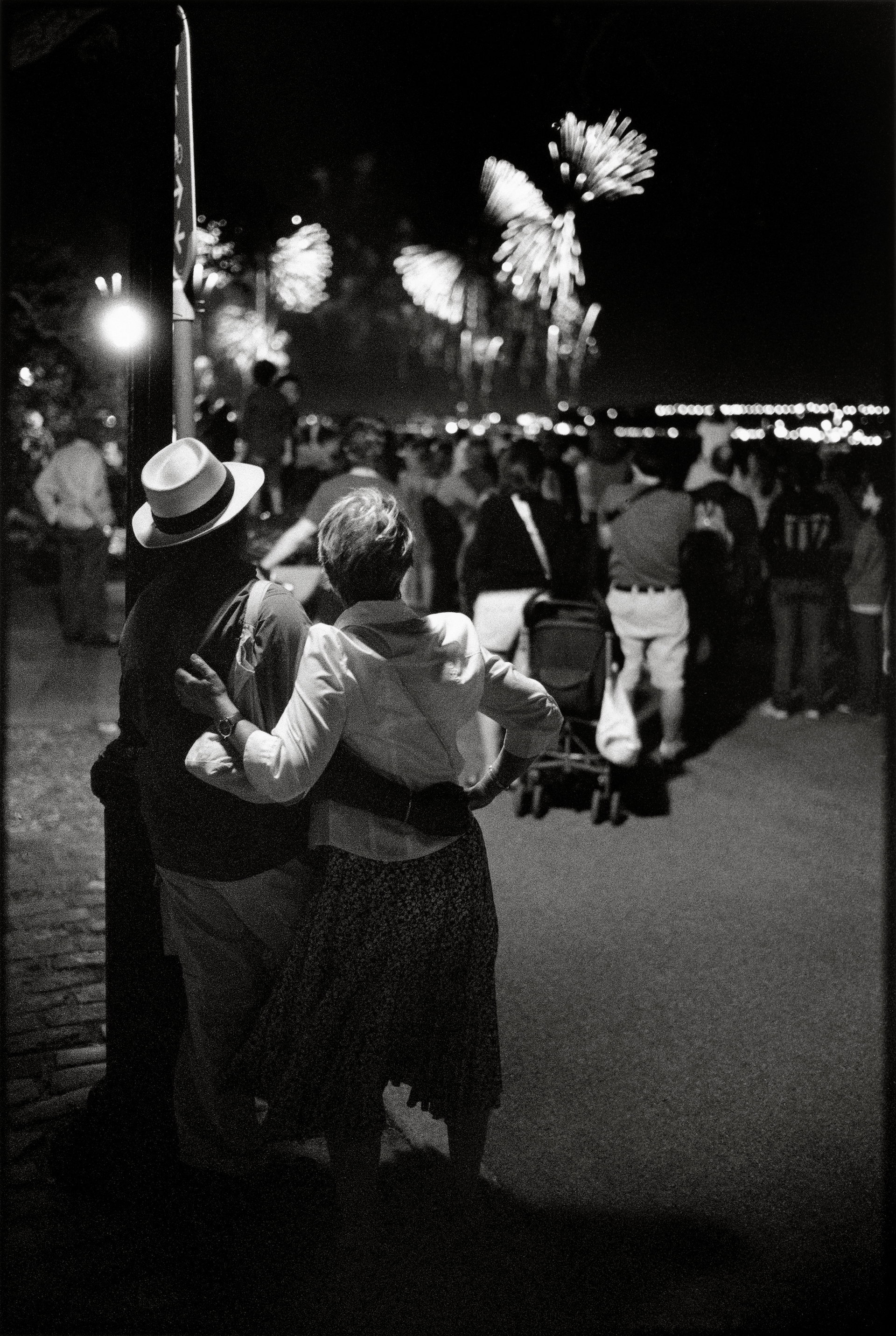
The book is structured around different thematic chapters, such as elections, governances, press and social capital, among others, capturing the full spectrum of civic engagement from formal political process and public service and volunteer work, revealing the quiet everyday labour that keeps democracy alive. The macro-narrative of America, which turned 250 this year, is told through the microcosm of New York City, which offers no better portrait for how complicated politics are and how societies function. What William offers is more than just journalistic black and white photographs of the unseen, but an education on civics, in its myriad identities, issues and intersectionality.