Gradwatch 2026: Jason Saffer, Central Saint Martins
Working across branding, illustration, motion design and typography, Saffer is one of the picks for our annual Gradwatch showcase, where we celebrate the next generation of talent in the creative industries
17/08/2026 3:58 am
Whether he’s creating a tongue-in-cheek campaign encouraging gamers to go outside, or drawing his distinctive cast of blocky, brightly coloured characters, Jason Saffer’s work shares an infectious sense of optimism. Across his graduate portfolio, branding, typography, motion and illustration are treated less as separate disciplines than tools to be combined in service of an idea.
As is often the case while studying at university, however, it took time for that to fully crystallise. Arriving at Central Saint Martins in London to study graphic design, Saffer found that his biggest challenge wasn’t how to develop a signature aesthetic, but learning how to let go of one he already had.
“I never had an artistic community in high school, so going to CSM was a totally different world,” he says. “They really push the idea first. I was resistant to new approaches because I had my own illustration style. But in my final year, I started projects where I wasn’t sure about the outcome. That’s when design started to click for me, and the synthesis of all my skills came together to form projects I was proud of.”
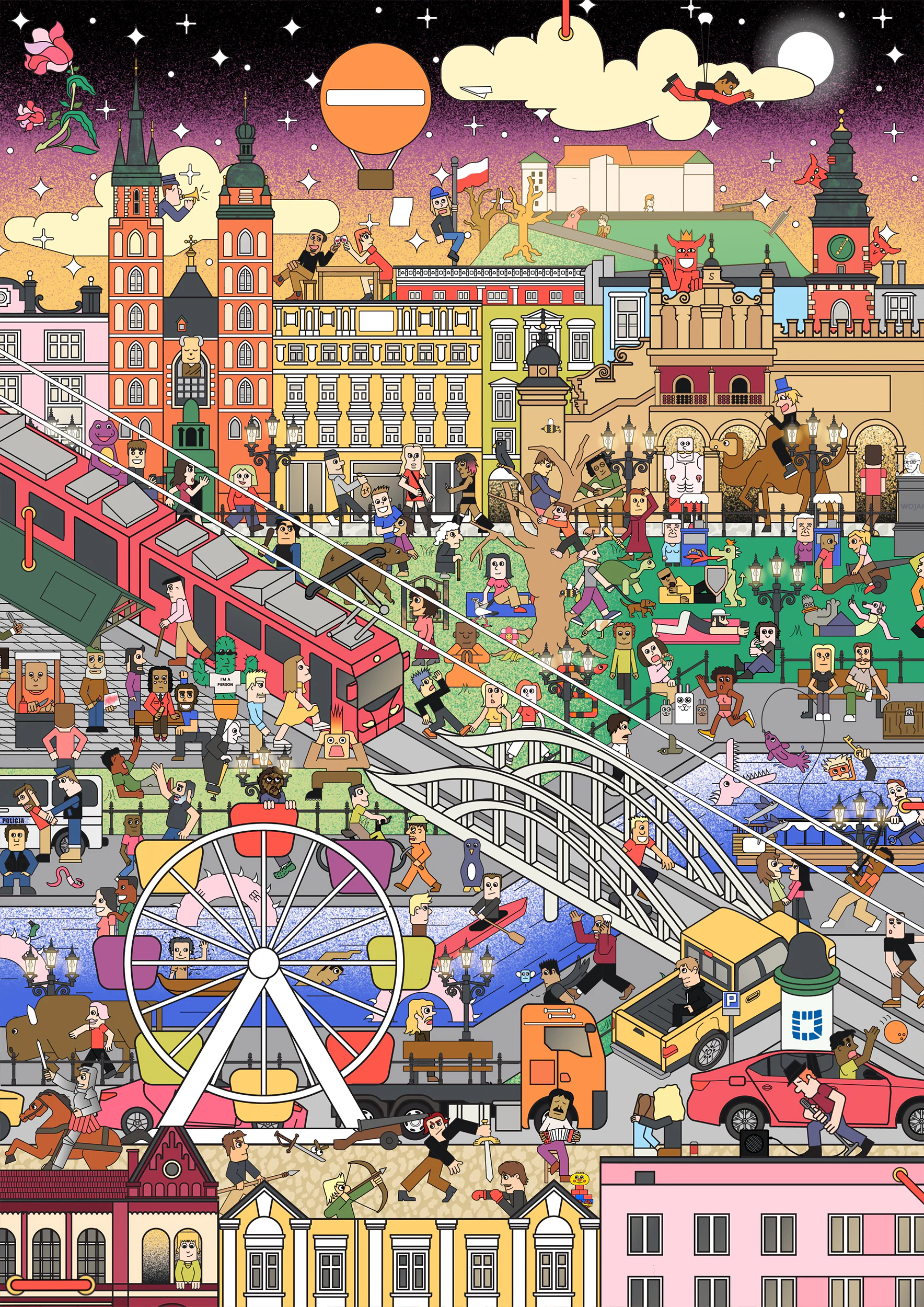
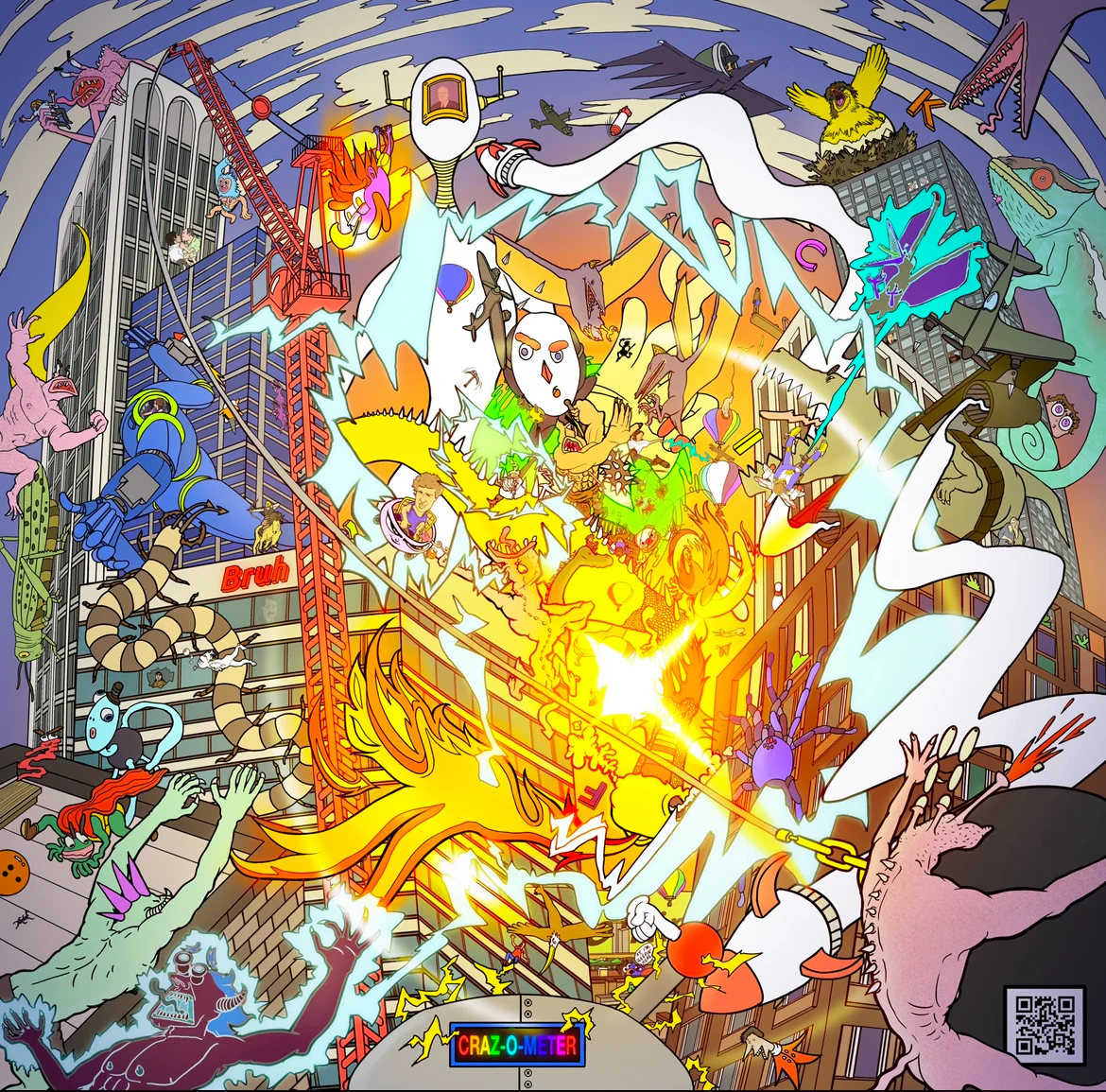
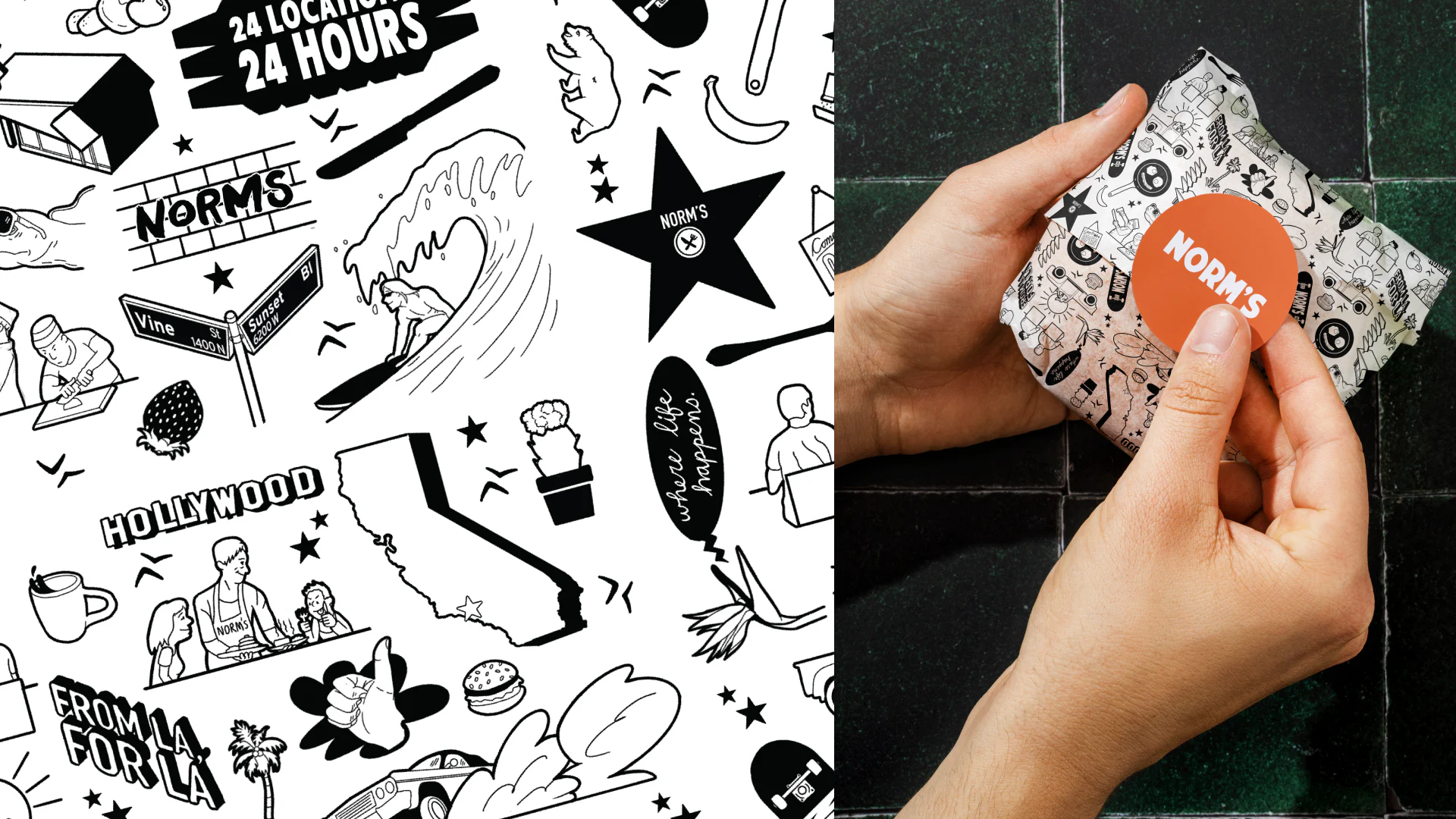
Today, Saffer consciously maintains two parallel creative practices. His illustration work is instantly recognisable, defined by vibrant palettes and chunky geometric figures that feel equally indebted to comics as they are contemporary character design. His branding projects, meanwhile, are deliberately more fluid, with each visual language emerging from research and strategy rather than personal taste.
“As a practitioner, I have two relatively distinct practices of design and illustration,” he explains. “My illustrations have a proudly distinct style I’ve worked on for years, but my design projects are branding-centric and use research to identify styles that work with whatever the project requires. Both practices, however, are centred around play and fun.”
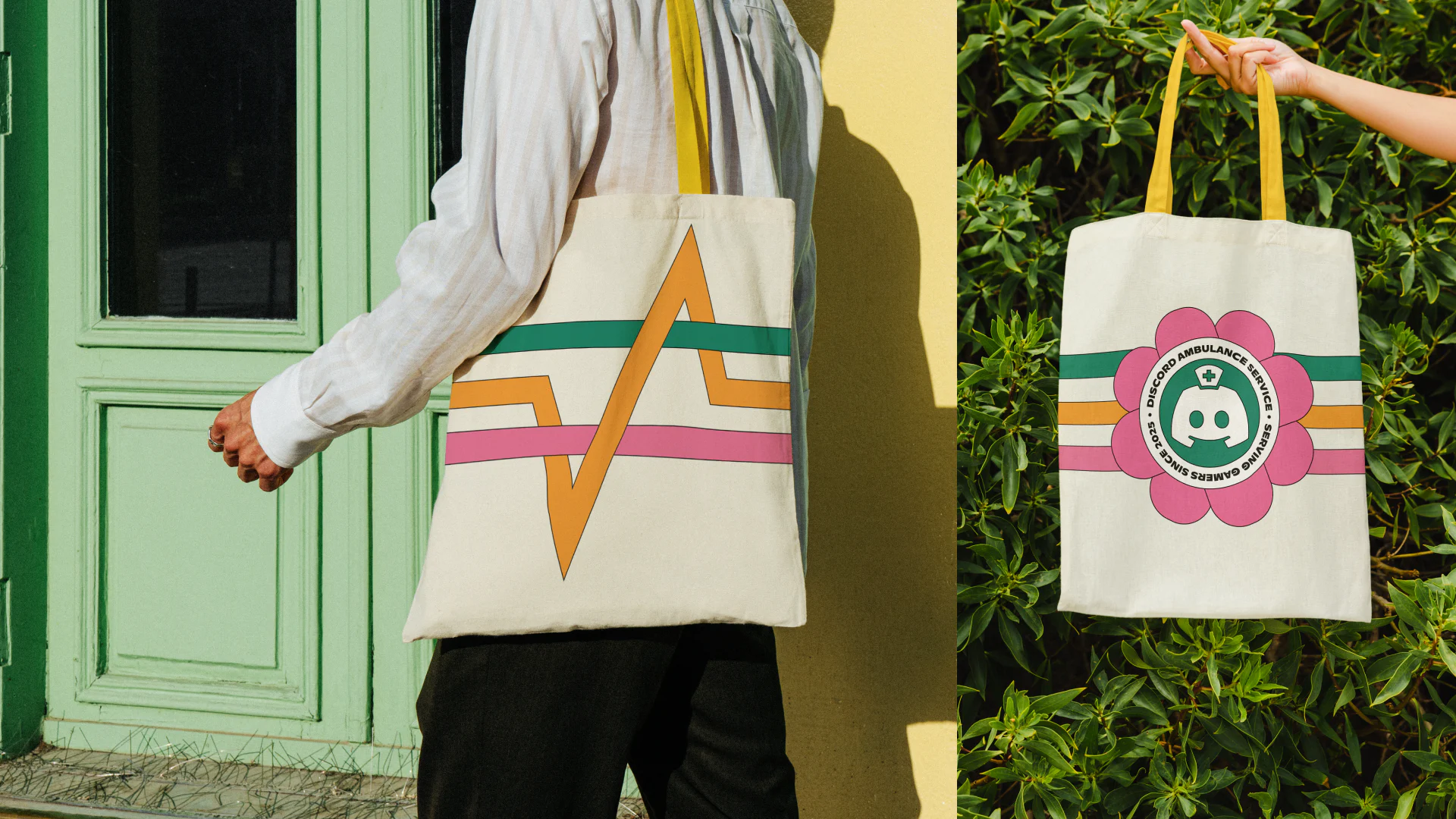
Saffer’s bold, expressive style and playful approach are perhaps most clearly evident in Touch Grass, which was developed in response to a university brief asking students to connect a strategy with a specific audience. Saffer landed on gamers as his audience of choice, imagining the popular social platform Discord as the client behind a self-aware campaign that encourages users to spend less time online.
“I thought gamers would be a funny audience, and teaching them how to go outside would be equally entertaining and actually relatable,” he says. “Discord was the perfect case study because the app is full of self-deprecating gamers and non-gamers who could appreciate its tongue-in-cheek tone of voice.”
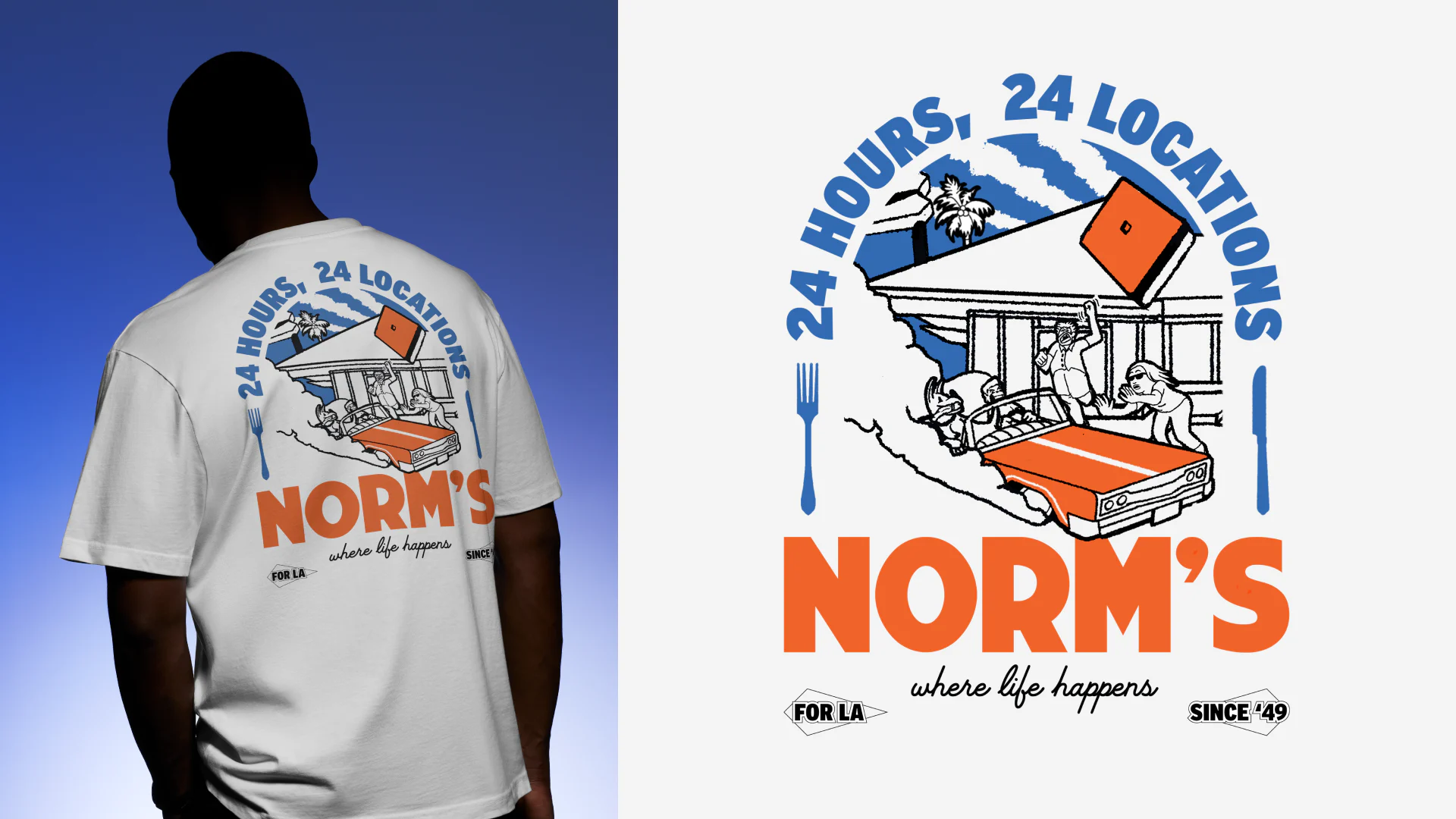
Presented through an animated film, out-of-home executions and a fully realised campaign system, Touch Grass feels notable for the way it extends beyond the initial joke. Rather than simply parodying internet culture, it demonstrates how a brand can lean into its audience’s shared sense of humour without losing strategic focus. It’s also a project Saffer continues to revisit, as he sees it as something with plenty of room still to evolve.
While much of his portfolio explores speculative branding, Saffer has gained real-world experience through commercial illustration. During his second year, he designed a Christmas card for Tate Modern’s 2024-25 collection before contributing illustration work through Adobe’s Creative Apprenticeship programme. More recently, he created the artwork for a CSM beer can, which he says sharpened his storytelling skills.
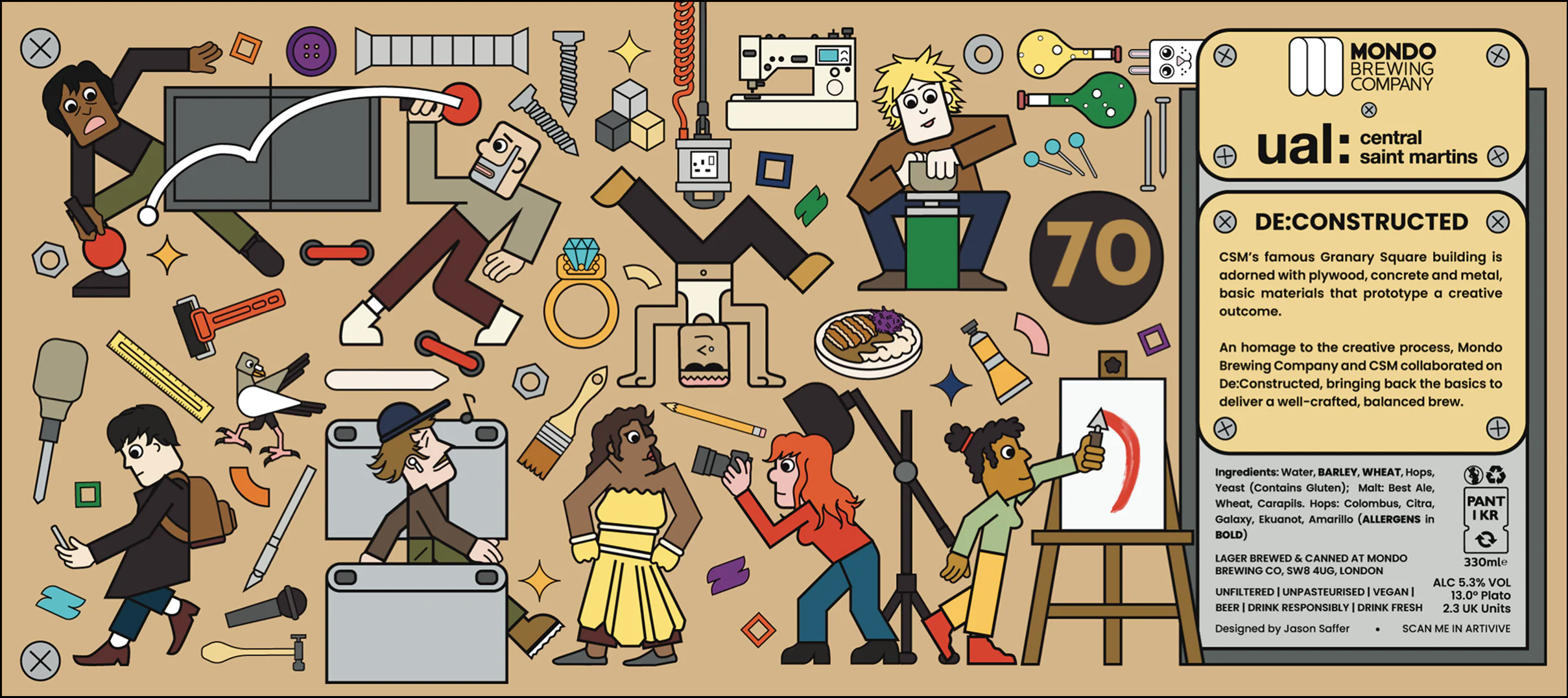
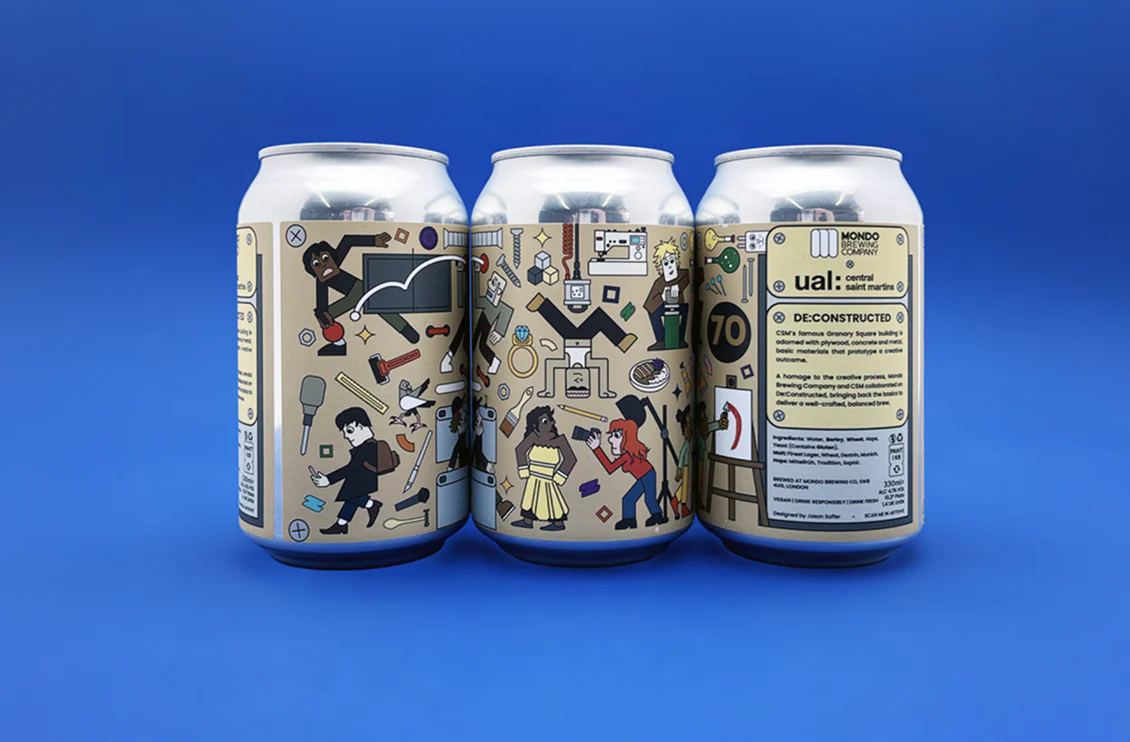
Saffer says he has benefitted from being encouraged to think not just about how to execute a specific piece of design, but also how successful designers create value for clients. “I was confident in my style, but I was lost as to how I could use that style to provide what clients actually want. Learning how to balance what you like and what the world around you wants is what separates being an artist from being a designer.”
Like many graduates entering the industry this year, Saffer sees standing out as the biggest challenge ahead. To that end, while he isn’t worried about AI taking jobs, he is eager to “experiment with tools like Krea to turn my illustrations into 3D”. His immediate goal is to gain agency experience and to expand his creative network, while continuing to develop across branding, illustration, animation and typography. Further down the line, he’d like to establish his own studio or create a long-form comic series.