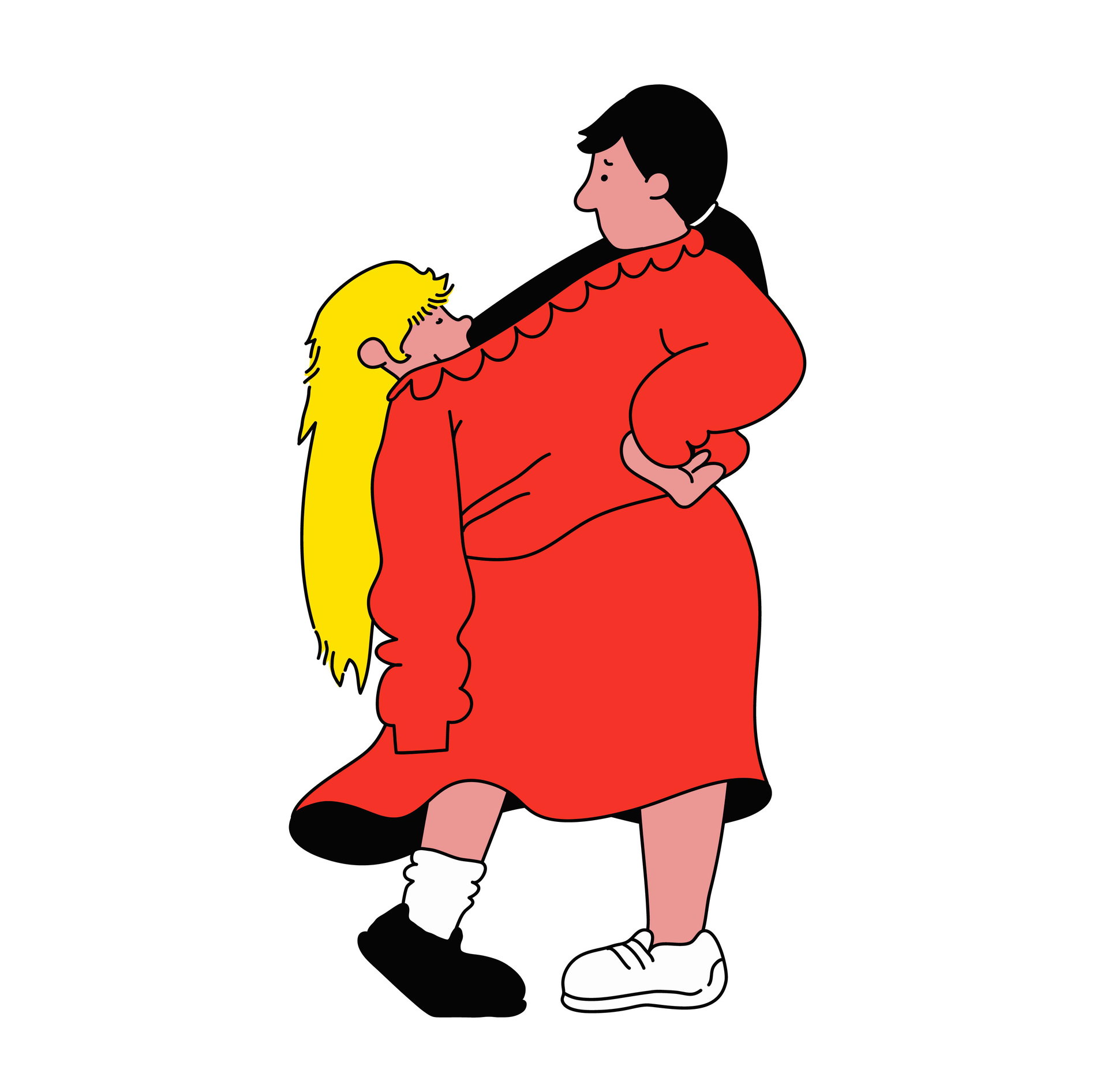
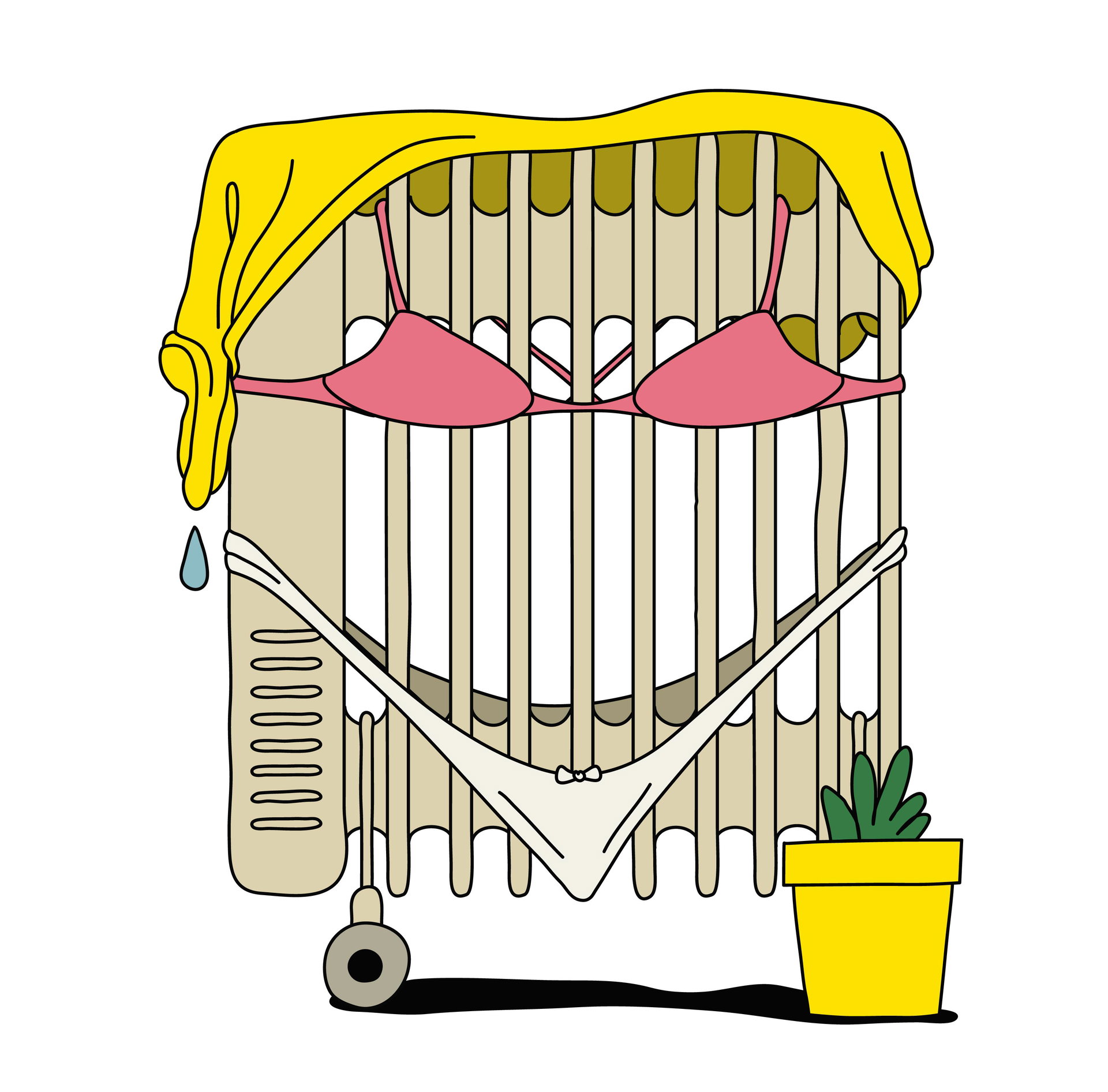
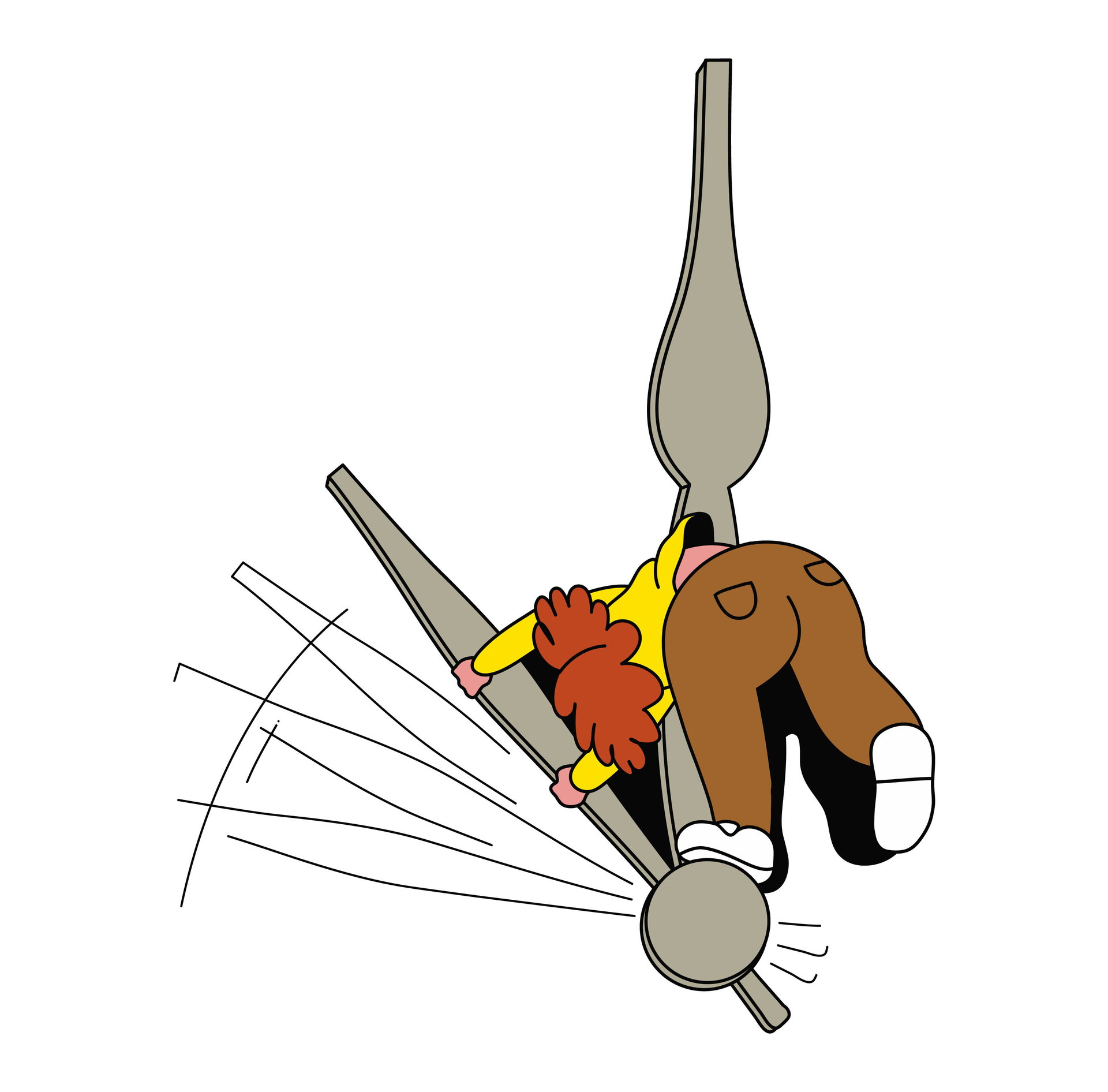
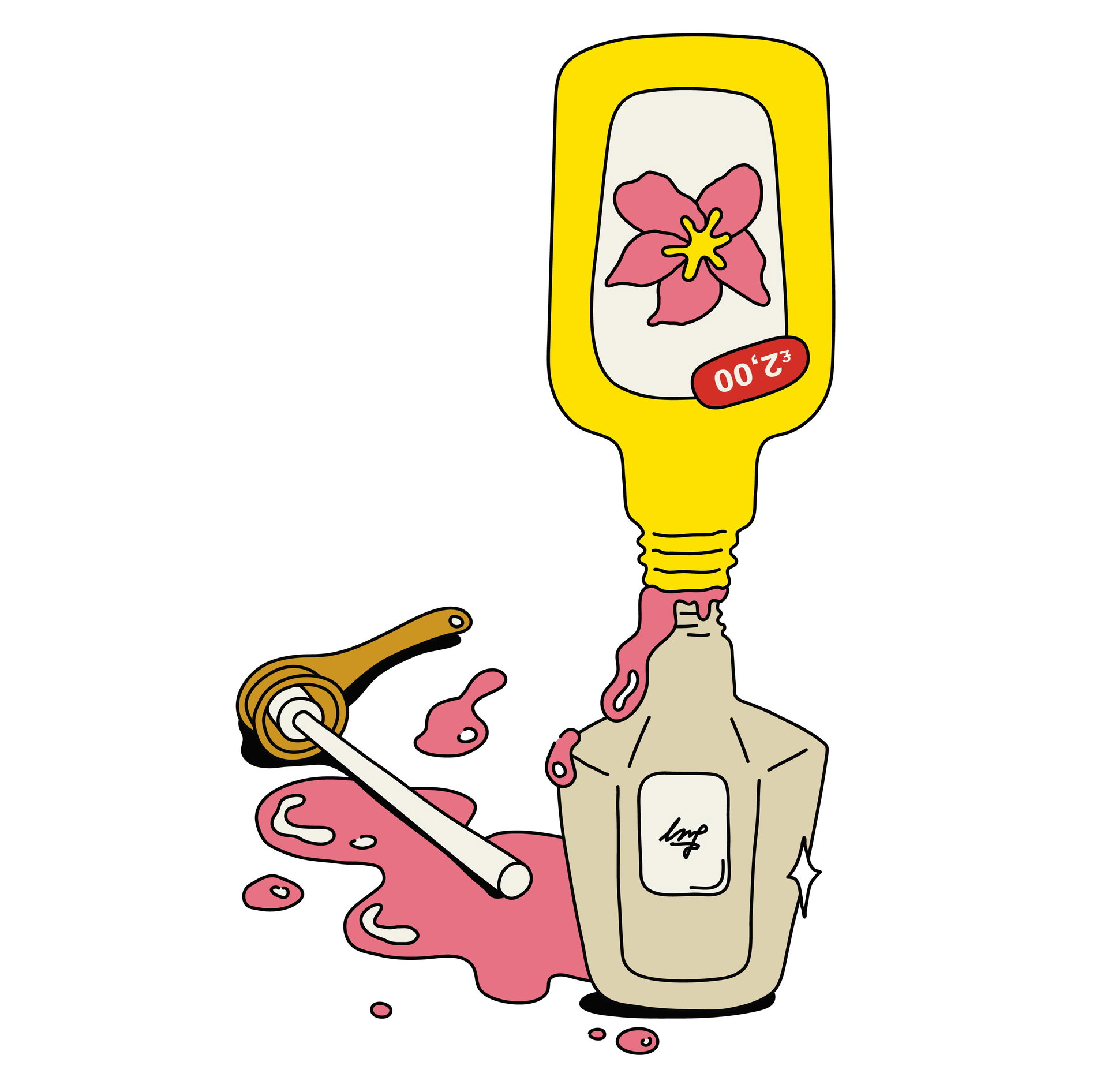
How do you illustrate arguments? Igor Bastidas on illustrating You Be The Judge, The Guardian column that settles the nation’s disputes
It’s Nice That (INT):You’ve been working on this commission for three years now. How does it feel to have hit the milestone of 156 illustrations?
Igor Bastidas (IB):I’m really proud and happy. It was something completely unexpected, and I love how the column has evolved over the past three years.
When I accepted the commission, I didn’t imagine it would become such a significant part of my workflow. Looking back at the illustrations, I can see there is some sort of evolution of a visual language that gradually found its own identity. What makes me happiest is that, even after all this time, I haven’t been bored. Each week brings a different story, and there’s always something new to solve.
INT:How did the commission first land on your desk, and why did you want to work on it? What attracted you to the brief?
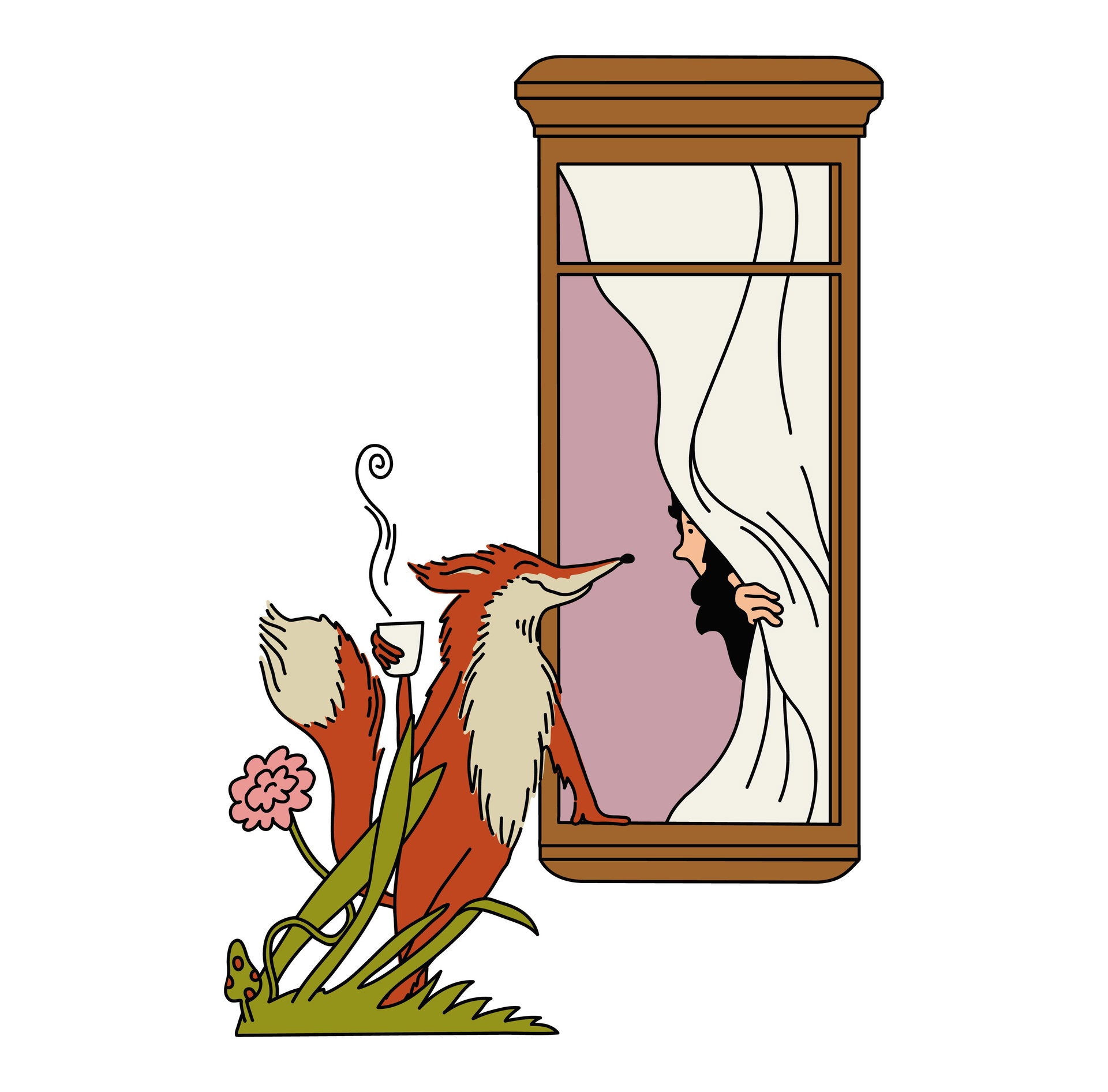
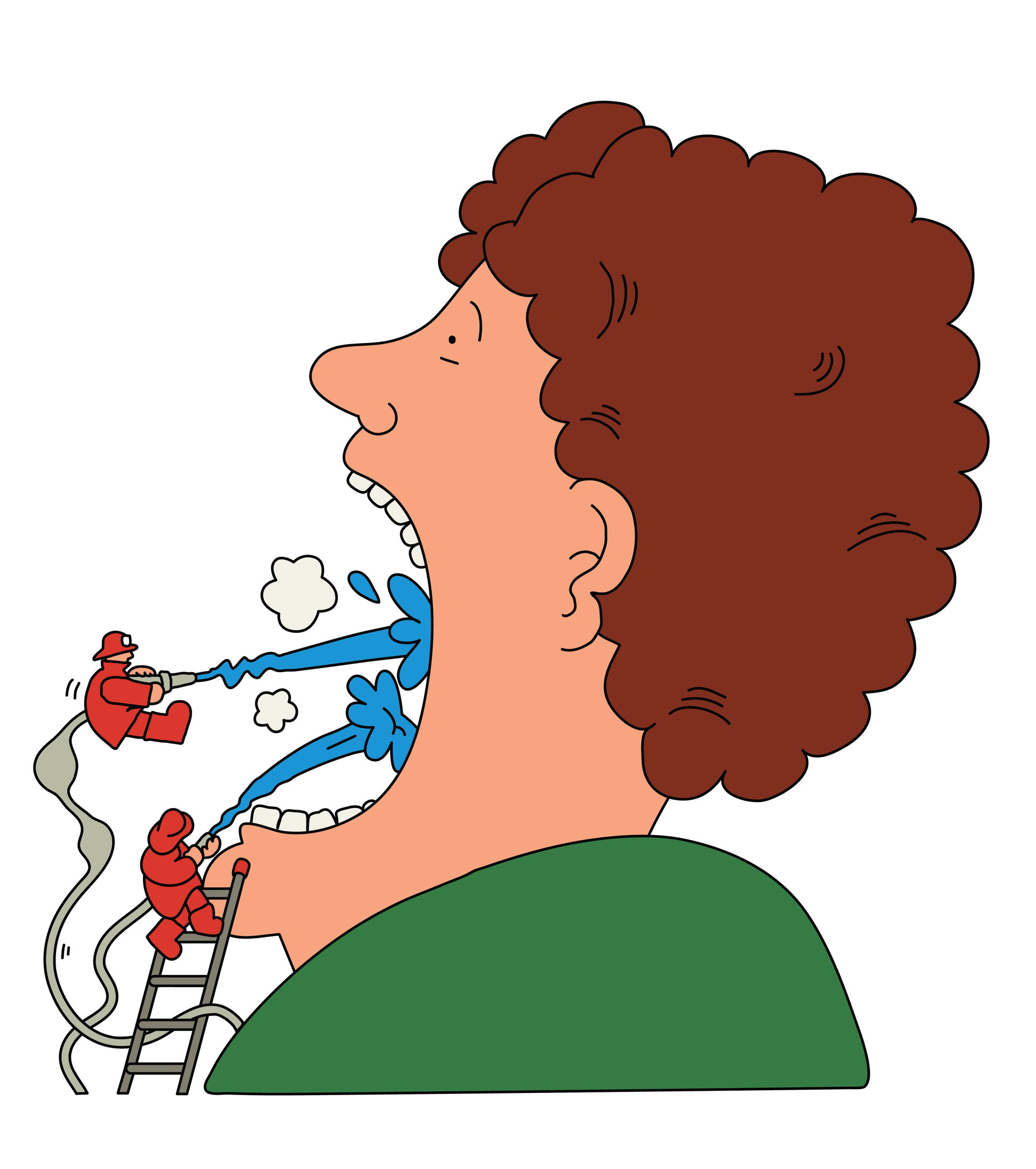
IB:I was first approached by Suzanne Lemon, an art director at The Guardian, who I had already worked with on a few commissions for the Saturday magazine. In 2023, she reached out to ask if I’d be interested in taking on a weekly column called You Be the Judge, which runs every Saturday in print and online. Each week, two people present opposing sides of a real-life disagreement, and readers are invited to decide who’s in the right. Suzanne encouraged me to make the column my own by developing a visual language that felt authentic to me, and I loved that freedom.
The brief itself was unlike anything I’d worked on before. Every week presents a small human conflict – sometimes funny, sometimes surprisingly emotional, sometimes completely absurd – and my initial challenge was to create a visual language flexible enough to embrace all of those different situations while still feeling like part of the same series. That’s what attracted me the most. I love editorial illustrations that invite people into an idea or a conversation. You Be the Judge is built around exactly that principle. Each illustration must acknowledge different perspectives while also being engaging.
I found the weekly rhythm really appealing. As a freelancer, every project is usually different, so there’s something satisfying about returning to the same column every week. It creates a sense of routine while still presenting a completely new creative challenge each time. I’ve always admired and got inspired by artists who developed a long-term relationship with their audience through recurring work, like Pedro León Zapata with his daily cartoons in El Nacional or Quino with his comic Mafalda. There’s something beautiful about that discipline and consistency, about showing up regularly and gradually building a visual world over time.
I remember thinking that if I could keep finding fresh ways to solve that visual puzzle week after week, it would be a fun project. Three years later, that’s still how it feels.