"Riyadh In Difficult Position": Saudis Shutter Critical East-West Pipeline After Drone Attacks
Saudi Arabia temporarily shut its 7 million-barrel-a-day East-West pipeline following multiple drone attacks, exposing a massive vulnerability in a critical export route used to bypass the Strait of Hormuz during more than six months of US-Iran conflict.
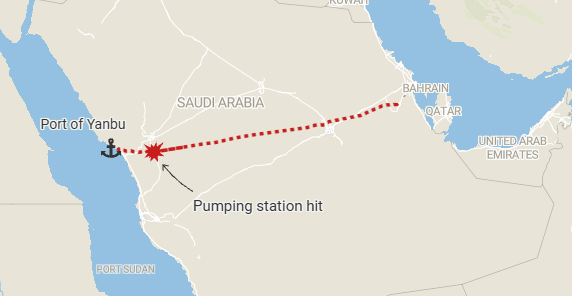
The closure puts new pressure on Saudi oil exports as the pipeline designed to bypass the Hormuz chokepoint becomes a target. The Energy Ministry described the shutdown as precautionary while emergency crews secured the pipeline and assessed its safety.
The oil pumping station on the Saudi East-West pipeline was completely destroyed during yesterday’s attack, according to satellite imagery released today.
— Open Source Intel (@Osint613) September 11, 2026
This is incredibly important news, as the East-West pipeline can transport up to approximately 210 million barrels of crude… https://t.co/6GCaYnkkAs pic.twitter.com/YggT4Lwzwm
Here's the ministry's statement:
An official source at the Ministry of Energy stated that the East-West Pipeline in the Riyadh and Madinah regions was subjected to multiple attacks on the morning of Thursday, 10 September 2026. The pipeline was shut down as a precautionary measure. The attacks resulted in a number of injuries, and medical care was provided to those affected.
The source said emergency and specialised technical teams responded immediately following the attacks, taking the necessary measures to secure the pipeline and assess its safety in line with approved safety procedures and emergency response plans, in coordination with the relevant authorities. Any further developments will be announced in due course.
The shutdown deepens an already severe export squeeze on the kingdom. Saudi oil shipments fell to about 3 million barrels a day in August, the lowest level on record since early 2017.
Iran-backed Houthis seized the strategic island of Mayun in the Bab al-Mandeb Strait last week, tightening pressure on the kingdom's Red Sea export hub. With Hormuz already disrupted, ongoing threats to both maritime chokepoints are narrowing the kingdom's options for moving crude to global markets.

"Riyadh is in a difficult position," said Rapidan Energy Group analyst Fernando Ferreira. "As the US maintains the blockade and succeeds in escorting more tankers out of the region, Iran will pivot toward increased attacks on Gulf energy facilities."