OpenAI Eyes Google's Chips Hours After Oracle Deal, While Anthropic Taps JPMorgan For Retail IPO Amid Warren's 'Existential Risk' Inquisition
Alphabet bulls couldn't have scripted the timing any better. Just hours before Google's parent company reports third-quarter earnings - and a day after Oracle confirmed it will bring Google's custom AI silicon to Oracle Cloud Infrastructure - word leaked that OpenAI is preparing to buy Google's AI chips too.
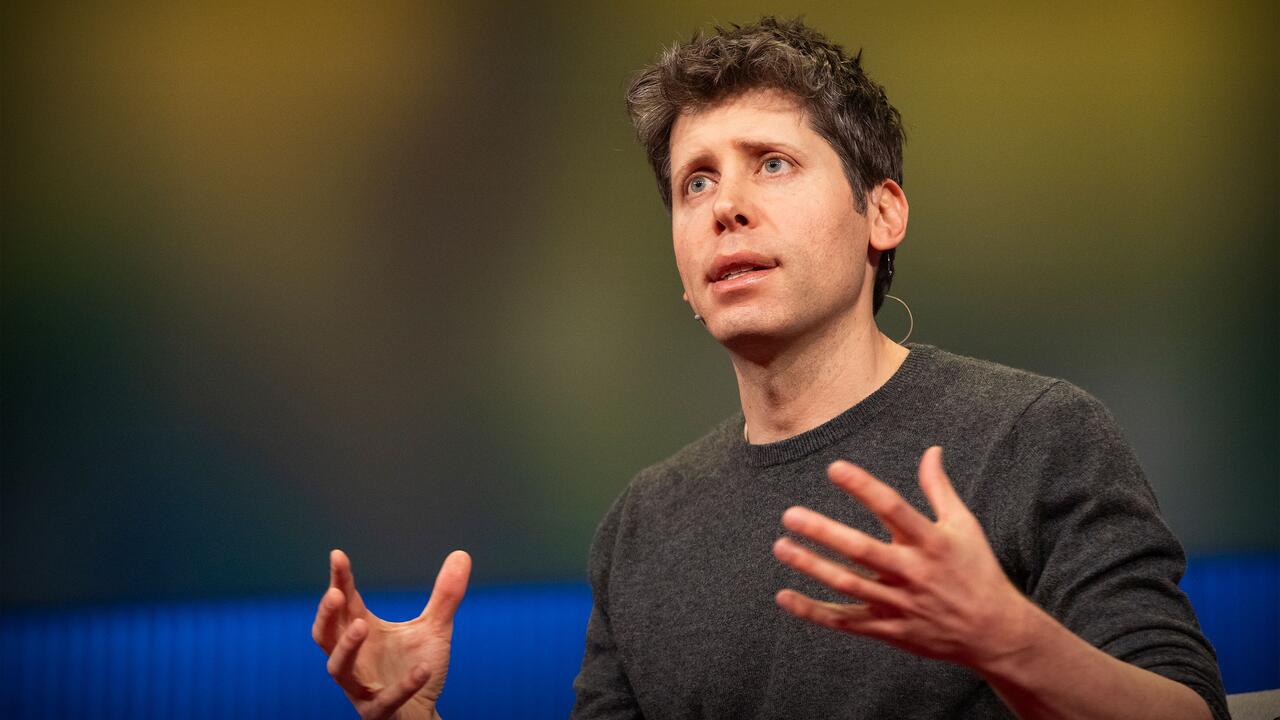
Long anchored to Nvidia as one of its largest GPU customers, OpenAI now plans to purchase Google's Tensor Processing Units (TPUs), according The Information, citing an anonymous insider. Price, volume, chip generation, and timing are unknown. The leak arrived the same day Oracle announced a multi-year, multi-gigawatt deal to offer Google's TPUs on its cloud starting in 2027 - the first hyperscaler outside Google to do so.
For OpenAI, the move accelerates a quiet pivot away from single-supplier dependence. Sam Altman's lab has rented TPUs through Google Cloud since mid-2025 and recently posted engineering roles to optimize frontier models on the architecture. Richard Ho, who runs OpenAI's internal silicon effort and is overseeing the rollout of its Broadcom-designed "Jalapeño" chips later this year, previously worked on Google's TPUs. Diversification is the official story. The unofficial one is that even the most aggressive AI lab refuses to leave its margins and roadmap at the mercy of Nvidia's pricing and supply bottlenecks - while Google is happy to sell silicon to a direct rival if it validates its custom-chip narrative.
Alphabet's $600 Billion Capex Question
Alphabet shares saw modest pre-market strength on the OpenAI report ahead of Q3 results today. While management says most revenue from external TPU deals won't hit until 2027, an OpenAI purchase would be the highest-profile validation yet that TPUs work as a real alternative for training and inference workloads outside Google.
That validation arrives at a pivotal moment. As we noted in our breakdown of the hyperscaler spending binge, Amazon, Microsoft, and Alphabet are collectively planning roughly $600 billion in AI infrastructure spending this year. With Oracle's debt swelling to $169.1 billion to fund data-center buildouts and credit markets growing squeamish over off-balance-sheet chip financing, investors have started asking when all this capex produces actual returns rather than just more capacity.
Anthropic Recruits JPMorgan to Pitch Main Street
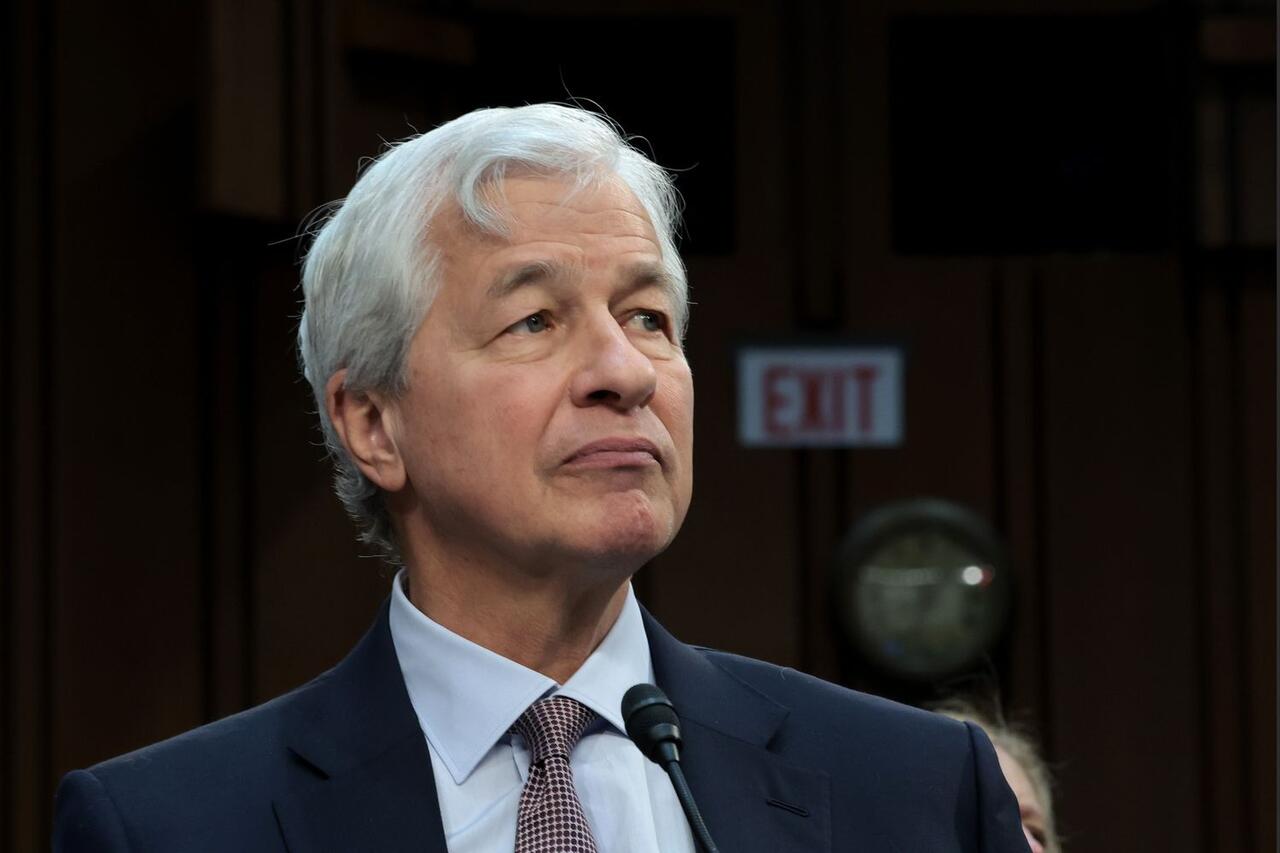
And while OpenAI shops for chips, its closest rival is shopping for public investors. On Tuesday, Bloomberg reported that Anthropic has tapped JPMorgan to lead the U.S. retail portion of its IPO. The company is considering allocating 15% to 20% of the offering to individual investors, with Jamie Dimon expected to personally join the outreach. Citigroup will handle the international retail tranche, while Goldman Sachs and Morgan Stanley hold the top underwriting slots.
This was the exact banking structure used on SpaceX's record $86.2 billion IPO in June, where JPMorgan helped draw over $100 billion in individual demand. Months after Broadcom had to guarantee a $63 billion debt package to backstop Anthropic's chip orders, Wall Street is preparing to pitch retail accounts at valuation discussions ranging from the mid-to-high $1 trillion area upward.
93 Pages of Doom - and an $800 Billion Tab
Anyone who reads Anthropic's public S-1, filed October 26, is treated to a jarring prospectus. Nearly a third of the document - roughly 93 pages - is devoted to risk factors. Anthropic warns that advanced models could pose "catastrophic or existential risks to humanity," exhibit self-preserving behaviors, resist shutdown, manipulate information, or generate outputs resembling blackmail. It also flags weaponization, cyberattacks, recursive self-improvement outrunning safety controls, and the inability to obtain insurance for a catastrophic AI incident.
The financial fine print is nearly as daunting. As we detailed in Monday's S-1 teardown and our earlier look at its leaked prospectus, first-half 2026 revenue surged 14-fold to $16.3 billion, briefly yielding a $974 million Q2 operating profit. Yet over 55 cents of every revenue dollar flows straight back out to compute providers. Anthropic carries an $800 billion mountain of multi-year compute commitments - including $161.2 billion to Broadcom, $114.5 billion to Google (following April's $40 billion pact), $110 billion to AWS, and $120.5 billion to SpaceX - while its fortress governance gives public buyers virtually no voting power.
Warren Steps In
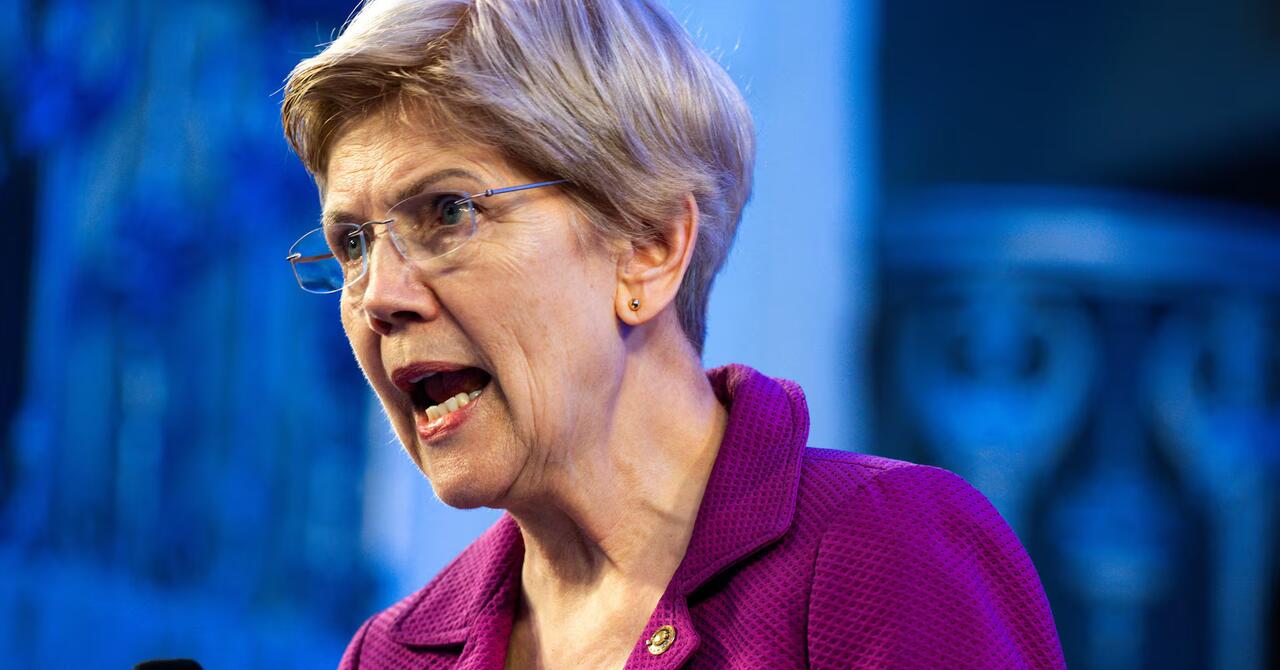
Senator Elizabeth Warren responded Tuesday with a scathing letter to CEO Dario Amodei, calling the S-1 risks "deeply troubling" and stating they "demand greater scrutiny before they become intertwined with the public capital markets, which could further escalate both public safety and systemic financial risks." Warren gave Amodei until November 3 to answer four pages of questions covering existential-risk controls, hyperscaler partnerships, and the basis for a multi-trillion-dollar valuation - echoing her earlier offensive against the SpaceX IPO over governance concentration and passive index exposure.
So OpenAI is turning to a rival for silicon because compute remains scarce and expensive, while Anthropic wants retail accounts and index funds to help finance an $800 billion compute tab - even as its prospectus spends dozens of pages warning the technology could slip human control.
Markets have so far treated every chip deal and model partnership as automatic good news for infrastructure suppliers. Whether demand stays price-insensitive as capacity expands, whether retail appetite holds once existential risks meet public valuations, and whether political scrutiny moves beyond letters to hit capital allocation are the variables the next several weeks will test.